A solid table saw is the kind of upgrade that quietly changes a home workshop. You stop eyeballing cuts and start trusting them, which matters the moment you build a shelf, trim a door, or break down sheet goods for a weekend project. The trouble is that the category spans everything from full-size jobsite saws to tiny hobbyist benchtop units, and the right pick depends entirely on where and how you actually work.
The list below covers nine solid options across three groups: full-size portable table saws for serious cutting, accessories that expand what your current setup can do, and compact mini saws for craft and hobby work. Each one earns its place for a different reason, so the real value here is matching the saw to the way you build.
A Fast Comparison Of The Options
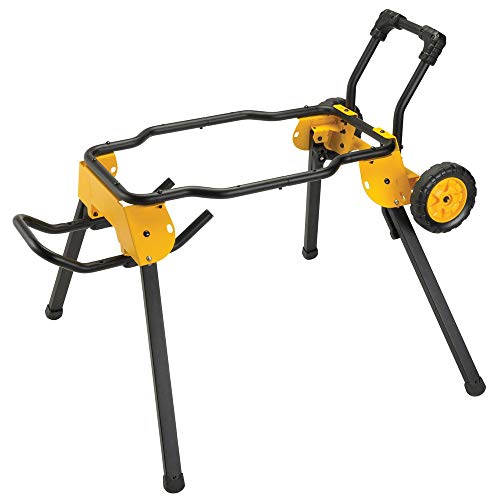
DEWALT DWE74911 Rolling Table Saw Stand

DEWALT 8-1/4 Inch Portable Table Saw with Stand (DWE7485WS)

DEWALT DWE7485 Compact Jobsite Table Saw

Rockler Crosscut Sled with Telescoping Fence

Rockler Dust Right FlexiPort Expandable Hose Kit
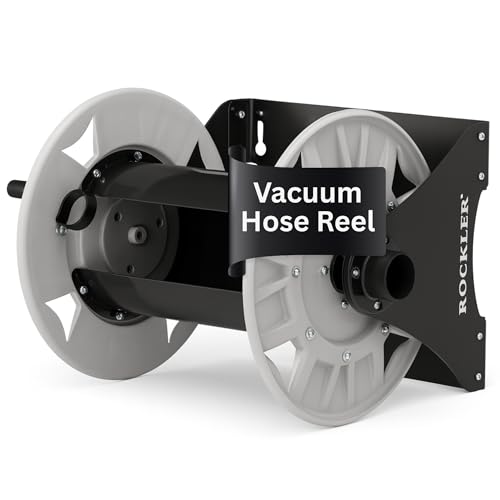
Rockler Wall Mount Vacuum Hose Reel 40 ft

Zericuf Mini Table Saw for Crafts and Hobbyists

Zericuf Super Mini Table Saw with 122+ Accessories

Zericuf Mini Table Saw with 24T Transmission Upgrade
Meet The Standout Selections
Most rolling stands wobble under load, and that wobble shows up the moment you push a heavy sheet through. The DEWALT DWE74911 takes a different approach, using a durable steel frame that holds firm even when the saw on top is working hard. For anyone who moves their shop between a garage, a basement, and the back of a truck, that stability matters more than the rolling feature itself.
Setup and teardown are quick by design, with a lightweight construction that one person can manage solo. The stand is purpose-built for several DEWALT saw models, so the fit feels dialed-in rather than improvised. For the home woodworker who already owns or plans to own a compatible DEWALT saw, this is a smart add-on that turns a portable tool into something closer to a stationary workstation.
The Value In It
- Durable steel construction that resists flex during heavy cuts
- Lightweight enough for one person to load into a truck bed
- Compatible with multiple popular DEWALT portable saws
- Folds down quickly between jobs, saving floor space
Trade Offs
- Only fits a specific list of DEWALT models, so it is not universal
- Wheels handle smooth surfaces best; rough gravel can be a workout
- Requires careful alignment during setup to keep cuts true
Key Specs
Built With In Mind
Garage and shop woodworkers who already run a compatible DEWALT saw and need a stable rolling base they can set up and tear down quickly.
Swap It Out When
The DEWALT DWE7485 Compact Jobsite Table Saw suits you better, because it bundles the stand and saw in one package for buyers starting from scratch.
Ripping a full 4×8 sheet of plywood on a small benchtop saw usually means wrestling the panel across the fence, which never ends well. The DEWALT 8-1/4 inch Portable Table Saw with Stand solves that with 24.5 inches of rip capacity, enough to handle a standard sheet without flipping it. That single spec changes how often you tackle bigger projects like built-ins, garage cabinets, or fence panels.
The rack and pinion telescoping fence (a gear-driven rail system that keeps the fence perfectly parallel as it slides) is a quiet highlight: adjustments stay smooth and accurate cut after cut, and the 15 amp motor has the torque to push through dense material. A power-loss reset adds a layer of safety by preventing accidental restarts after an outage. Compared to the bare DWE7485 reviewed next, this version ships with a rolling stand, so it is the better choice for someone who wants one purchase that covers cutting and support.
Useful Strengths
- 24.5 inch rip capacity handles 4×8 plywood and OSB sheets
- Rack and pinion fence keeps adjustments smooth and parallel
- Compact footprint for the amount of cutting capacity it offers
- Includes a stand, so it is ready to roll out of the box
Worth Noting
- Heavier than bare saws, so vehicle loading takes planning
- Larger rip capacity means a longer learning curve for new owners
Who It Suits Best
Home builders and remodelers who frequently rip full sheets of plywood or OSB and want a single, complete saw-and-stand package.
A Better Fit Elsewhere
Shoppers who already own a quality stand should consider the DEWALT DWE7485 Compact Jobsite Table Saw, since it shares the same cutting capacity without duplicating the rolling base.
For contractors and remodelers who haul tools up stairs and across rough floors, the DWE7485 hits a sweet spot between cutting power and portability. The 15 amp motor delivers the same cutting head as the stand-equipped DWE7485WS reviewed above, so you do not sacrifice performance for a smaller package. Onboard storage for the miter gauge, push stick, and blade-change tools is a small touch that pays off when you are setting up in a customer’s kitchen.
The compact size fits comfortably in a work van or the back seat of a car, and the rack and pinion fence system keeps adjustments repeatable. A non-through cut riving knife (a metal blade guard directly behind the saw blade that prevents kickback by keeping the kerf open) and anti-kickback pawls ship installed, which is reassuring for a saw that will be used by different people on different days. This is the right pick when a stand is not needed or already lives in the shop.
Points In Its Favor
- Compact body that fits in tight vans and small shop spaces
- Onboard storage keeps accessories from getting lost on busy days
- Includes riving knife and anti-kickback pawls for safer cuts
Points To Note
- Stand is not included, so sheet-good support needs a separate solution
- Smaller table surface requires more support for very wide stock
- Plastic components around the fence can wear with heavy daily use
Right Fit For
Contractors, remodelers, and homeowners who already own a stand and need a portable saw that travels light without giving up real cutting capacity.
Look Elsewhere When
You want a complete saw-and-stand package in one box, since the DEWALT 8-1/4 Inch Portable Table Saw with Stand covers that need more directly.
A good crosscut sled is one of those accessories that, once you use it, makes you wonder how you ever cut without one. The Rockler Table Saw Crosscut Sled handles 90 degree and 45 degree miter cuts with consistent accuracy, which matters for picture frames, small boxes, and any project where matching parts need to look identical. The sled rides in standard miter slots, so it works with most contractor-style table saws including the DEWALT models above.
Unlike plywood, the 1/2 inch phenolic base (a dense, resin-impregnated composite that resists moisture and wear) does not swell or warp when the shop gets humid. The telescoping fence slides to support wider stock, and the flip stop lets you make repeatable cuts without remeasuring. This is the upgrade that turns a general-purpose table saw into a capable fine-furniture tool.
Real Benefits
- Cuts clean 90 degree and 45 degree miters without a separate jig
- Phenolic base stays flat in humid shop conditions
- Telescoping fence supports wider workpieces during cuts
- Flip stop speeds up repeat cuts for matched parts
Soft Spots
- Requires a miter-slot-compatible saw, so check fit before buying
- Takes up shop space when stored on the saw
Who Will Love This
Fine woodworkers and cabinet builders making small, precise parts where repeatability and square cuts matter more than sheet-good capacity.
Reach For A Different Pick When
You are mainly cutting sheet goods and lumber, since the DEWALT DWE7485 with its 24.5 inch rip capacity is built for that work and would not benefit as much from a sled.
Dust collection is the part of workshop setup everyone plans to add “later” and then never does. The Rockler Dust Right FlexiPort hose kit makes later happen now by including multiple port sizes that fit most handheld power tools, so one hose covers the table saw, miter saw, and sander. The expandable design stretches from 3 to 12 feet, which is plenty of reach for most small shops without dragging a bulky hose across the floor.
The click-connect system locks the hose to adapters with a firm snap, so disconnects happen on your terms rather than mid-cut. For shop owners running a single vacuum to multiple tools, this kit eliminates the “find the right adapter” delay between jobs. It is the kind of unglamorous accessory that quietly makes every other tool on this list easier to live with.
Everyday Wins
- Multiple FlexiPort sizes fit most common handheld power tools
- Expands from 3 to 12 feet for flexible reach
- Click-connect system stays attached during heavy use
- Keeps fine dust out of the air and off the workpiece
Practical Considerations
- Not a replacement for a full dust collector on large stationary tools
- Expandable hose can kink if coiled too tightly
Best Suited To
Home shop owners running several different handheld tools off one vacuum and tired of swapping adapters between every job.
Skip It When
You mainly cut on a stationary table saw and want hose storage, since the Rockler Wall Mount Vacuum Hose Reel handles that part of the workflow better.
A vacuum hose coiled on the floor is a tripping hazard and a dust magnet, and neither is welcome in a working shop. The Rockler Wall Mount Vacuum Hose Reel holds up to 40 feet of 1-1/2 inch hose, which covers most homeowner shop vacuums and dust collectors. The reel pulls out for use and retracts when the job is done, which is the kind of convenience you stop noticing after a week because it just works.
Mounting is straightforward on standard wall studs, and the steel frame keeps the reel rigid even with a full hose load. This is a small upgrade with an outsized effect on shop tidiness, especially in shared spaces where the garage doubles as parking. Pair it with the FlexiPort hose above for a clean, end-to-end dust system.
Where It Helps
- Holds 40 feet of 1-1/2 inch hose, covering most shop vacuums
- Pull-out and retract design keeps the hose off the floor
- Sturdy steel frame for long-term wall mounting
Worth Bearing In Mind
- Wall mounting requires locating studs or using proper anchors
- Fixed location is less convenient for renters who cannot drill walls
Perfect Match For
Homeowners with a permanent or semi-permanent shop setup who want a clean, organized way to store a long vacuum hose without it taking over floor space.
Not Your Match When
Your shop is portable or shared with vehicles, in which case the Rockler Dust Right FlexiPort Expandable Hose Kit is a more flexible, stowable solution.
Craft and model-making work calls for a different class of tool, and the Zericuf Mini Table Saw is built for that world. The 200W dual-motor setup with a 12,000 RPM top speed handles thin wood, balsa, plastic sheets, and similar craft materials without bogging down. What separates this from basic single-motor mini saws is the dual-switch design, where each switch controls its own motor so cutting and polishing never run at the same time.
That safety choice makes a real difference for beginners and gift-givers who want a tool that teaches good habits from the start. The 26mm adjustable height lets you dial in blade depth for different materials, which matters when switching between hardwood slices and softer craft sheets. It runs on a standard household outlet, so it fits on a desk or kitchen table without dedicated shop space.
A Favorable Mix
- Dual-switch control prevents simultaneous cutting and polishing
- 200W output handles common craft materials cleanly
- 26mm height adjustment covers thin slices and thicker stock
- Compact enough to live on a workbench or small desk
Some Limits To Know
- Not designed for dimensional lumber or sheet-good work
- Smaller table surface requires careful fixturing for longer cuts
- Replacement blades and accessories are brand-specific
Made For
Beginner hobbyists, crafters, and gift-givers who want a safe, compact saw for model making, handmade gifts, and small precision projects.
Consider Something Else When
You need a true workshop saw for lumber, since the DEWALT DWE7485 Compact Jobsite Table Saw handles that work without compromise.
Where the previous Zericuf saw focuses on cutting, this Super Mini version leans into versatility. With seven speed settings and a 200W max output, it handles cutting, engraving, polishing, and light drilling, all from the same base. The accessory count, well over 100 pieces, means you can start a new hobby direction without buying a second tool.
The cast iron body adds noticeable stability compared to plastic-bodied mini saws, which matters when you are doing fine detail work where vibration translates directly into mistakes. Like its sibling, the dual-switch safety system keeps cutting and polishing on separate circuits, so accidental activation is less of a concern. This is the right pick for creators who want one tool that spans multiple craft disciplines.
Key Advantages
- Seven speed settings cover cut, engrave, polish, and drill
- Cast iron body dampens vibration for cleaner detail work
- 122+ accessories support multiple craft directions out of the box
Honest Caveats
- Accessory count means more parts to organize and store
- Speed changes are manual, so swapping tasks takes a moment
Whose Shelf It Belongs On
Multi-discipline hobbyists who want one compact tool that can pivot between cutting, engraving, and polishing without swapping equipment.
Where Another Pick Suits Better
Pure cutting-focused crafters may prefer the simpler Zericuf Mini Table Saw, which keeps the focus on a single, easy-to-learn workflow.
Detail work demands refinement, and the 24T transmission system in this upgraded Zericuf is built to deliver it. The 24-tooth gear setup transfers the 795 motor’s torque more efficiently than simpler drives, with a top speed around 15,000 RPM. For engravers and fine-detail hobbyists, that extra RPM and smoother power delivery translate into cleaner cuts on small parts.
The dual 795 motor and dual-switch layout carry over from the standard Zericuf Mini, so you keep the same safety logic that prevents simultaneous cutting and polishing. The 200W max output and 26mm adjustable height cover the same range of craft materials as the base model. In our view, this is the pick for crafters who have already discovered that they want more precision than a basic mini saw can offer.
Positive Takeaways
- 24T transmission delivers smoother power and higher top speed
- Up to 15,000 RPM supports fine engraving and detail cuts
- Same dual-switch safety design as the base model
Smaller Limitations
- Higher speed means a steeper learning curve for new users
- Still limited to craft-scale materials, not lumber
Who Should Grab It
Returning hobbyists and detail-focused crafters who already know the basics and want extra refinement for engraving and small precision work.
Another Choice May Suit
First-time hobbyists are often better served by the standard Zericuf Mini Table Saw, which keeps the controls simpler while teaching the same fundamentals.
What Matters When Buying A Home Table Saw
Matching The Saw To Your Work
Start with the largest material you plan to cut regularly, since that decision rules out most of the field. Sheet goods like plywood and OSB (oriented strand board, a structural panel made from compressed wood strands) need 24+ inches of rip capacity (the maximum distance between the blade and the fence for parallel cuts), which the DEWALT 8-1/4 inch model handles well. Hobby and craft work points toward the mini saws from Zericuf, which trade capacity for precision and safety in a small package. The middle ground, lumber, trim, and small panels, fits most compact jobsite saws including the DEWALT DWE7485.
Power, Safety, And Fence Quality
Motor power matters less than how the saw delivers it. A 15 amp motor with a poorly designed fence will frustrate you more than a 13 amp motor with smooth rack and pinion adjustments. Safety features deserve weight too: a power-loss reset, riving knife, and anti-kickback pawls are not optional extras, they are the difference between a safe cut and a trip to the emergency room. The DEWALT models reviewed above include these as standard, which is one reason they appear more than once on this list.
Dust, Storage, And Workshop Reality
A saw that fills your shop with fine dust is a saw you stop using. Pair any table saw with a real dust collection plan, whether that means a shop vacuum with the Rockler FlexiPort hose or a wall-mounted reel for clean storage. Workshop space also shapes the choice: a rolling saw-and-stand package suits a garage that doubles as parking, while a stationary mini saw fits a corner of a hobby room. Buying the saw your space can actually accommodate beats buying the biggest one you can afford.
Key Considerations Across These Picks
Mistakes Worth Dodging
A common first-time move is buying the largest saw available, then discovering it does not fit through the basement door or onto the workbench. The right size is the one that matches your actual project list, not the one with the most impressive spec sheet. Another trap is skipping dust collection, which owners commonly report leads to dusty lungs, dirty finishes, and a saw that gets used less and less. Plan for the hose and adapter setup before the saw arrives, and the workshop stays a place you actually want to spend time in.
What The Higher Tier Buys
Stepping up from a basic portable saw to a stand-equipped model buys you stability, sheet-good capacity, and a setup that feels closer to a stationary shop. The upgrade shows up in fewer wobbles during full cuts and a fence that holds its setting across hundreds of cycles. In the mini saw category, the higher tier buys refinement: smoother gearing, higher RPM, and a cast iron body that dampens vibration. The honest read is that the upgrade pays off when your projects demand precision or when you find yourself reaching for the saw several times a week.
Frequently Asked Questions
What Size Table Saw Do I Need For Home Use?
A portable 8-1/4 inch saw with around 24 inches of rip capacity handles most home projects, from framing lumber to plywood sheets. Smaller benchtop saws work for trim and craft work but struggle with full 4×8 panels.
Are Jobsite Table Saws Safe For Beginners?
Modern jobsite saws include safety features like riving knives, anti-kickback pawls, and power-loss resets that make them safer than older designs. That said, beginners should still read the manual, respect the blade, and start with straight cuts on scrap material before moving to real workpieces.
Can A Mini Table Saw Cut Wood?
Mini saws cut thin wood, balsa, craft plywood, and similar light materials, but they are not designed for dimensional lumber or sheet goods. Trying to force full-size lumber through a mini saw risks blade bind, poor cuts, and damage to the tool.
How Important Is A Rolling Stand?
A rolling stand adds stability and makes the saw easier to move around, which matters in shared spaces like a garage. For stationary workshops, a sturdy workbench can serve the same purpose, but most home users find a rolling stand more convenient.
What Dust Collection Do I Need For A Table Saw?
A shop vacuum connected through a flexible hose adapter handles most home saw dust, and pairing it with a wall-mounted hose reel keeps the shop tidy. Larger stationary saws in dedicated shops benefit from a full dust collector, but a good shop vacuum setup is enough for portable models.