A reliable table saw is one of the first big upgrades any workshop needs, and the under-$500 bracket is where serious hobbyists, weekend remodelers, and small-shop pros actually shop. The picks below balance rip capacity, motor strength, portability, and dust handling so you can match the right saw to the work in front of you, whether that’s ripping 4×8 sheets, cutting trim, or trimming craft materials for a side project.
An Overview Of The Picks

DEWALT Portable Table Saw with Stand 8-1/4 in (DWE7485WS)

DEWALT FLEXVOLT 60V MAX Table Saw 8-1/4 in (DCS7485T1)

DEWALT 15 Amp 8-1/4 in Compact Jobsite Table Saw (DWE7485)
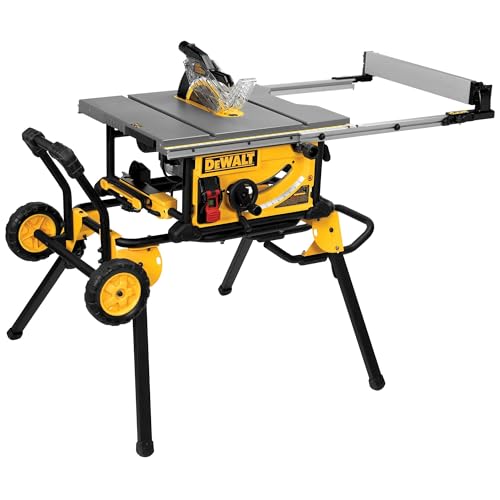
DEWALT 10 in Table Saw with Rolling Stand (DWE7491RS)

SKIL 15 Amp 10 in Jobsite Table Saw TS6307-00
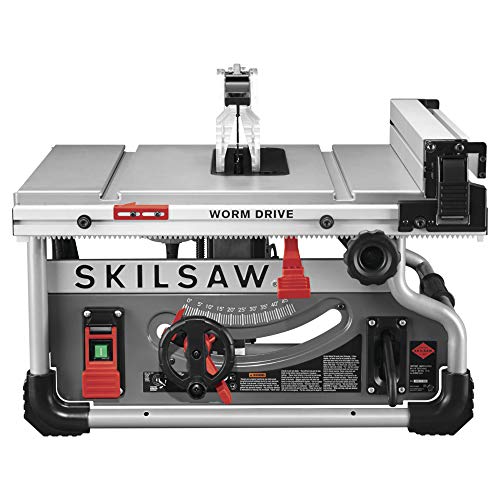
SKIL 8-1/4 in Portable Worm Drive Table Saw SPT99T-01

Zericuf Super Mini Table Saw with 122+ Accessories

Zericuf Mini Table Saw Dual 795 Motors 200W

Zericuf Mini Table Saw 200W 26mm Adjustable Height
More On The Choices That Made The List
The DWE7485WS shows up often on job sites because it folds the stand and the saw into one rolling package, which is a real time-saver when you’re loading out at 6 a.m. Its 8-1/4 in blade paired with 24-1/2 in of rip capacity handles full 4×8 plywood sheets without creative gymnastics, and the rack and pinion fence (a geared rail system that keeps the fence perfectly parallel as you slide it) holds its setting better than cheaper slide-bar designs. You also get 48-degree bevel cuts, which is more range than most saws in this price tier offer.
Contractors and remodelers who move between rooms will appreciate how quick the stand deploys. The integrated storage keeps the miter gauge, push stick, and wrenches where you can actually find them, which matters more on a busy job than in a home shop.
Practical Pluses
- 24-1/2 in rip capacity handles full 4×8 sheet goods in a single pass.
- Rack and pinion fence stays square through repeated adjustments, so your cuts stay accurate across a long day.
- Power-loss reset prevents the saw from re-spinning on its own after an outage, a small but meaningful safety touch.
- Rolls and folds into a single unit, so one trip from the truck to the cut is realistic.
- 48-degree bevel range covers compound cuts that stump more limited saws.
Points To Keep In Mind
- The 8-1/4 in blade limits maximum depth of cut on thicker hardwoods compared to the 10 in models later in this list.
- At roughly 90 lb with the stand attached, it’s not the lightest option, so hauling it up stairs solo is a workout.
Who It Suits Best
Tradespeople and remodelers who need accurate sheet-good cuts on a real job site and value a folding stand that follows them from truck to trim.
Where Another Pick Suits Better
Shop owners who never leave the garage will get more rip capacity out of the DEWALT 10 in Table Saw with Rolling Stand (DWE7491RS), since 32-1/2 in beats 24-1/2 in for breaking down wide hardwood panels.
Running a cord across a half-finished deck is the kind of hassle that makes a battery saw worth the trade-off, and the DCS7485T1 is the cordless answer to the corded DWE7485 above. The 60V FLEXVOLT pack is genuinely useful: it auto-switches voltage so the same battery drops into your 20V MAX tools, and the runtime on a full charge covers a stack of plywood rather than a single sheet. The metal roll cage base takes more abuse than plastic-bodied saws when it slides around a truck bed.
Where it shines is the framing site with no power, the back patio, or anywhere you’d rather not drag 100 ft of extension cord. You give up the constant, unlimited juice of a corded motor, and you should expect a noticeable drop in blade speed under heavy load compared to a 15 amp corded saw.
Positive Points
- 60V battery delivers corded-class cutting without the cord, which opens up remote or rough framing sites.
- 24 in rip capacity still covers standard 4×8 sheet goods, matching the corded DWE7485 family.
- Metal roll cage base holds up to drops and truck-bed abuse that crack plastic bases.
- Rack and pinion fence keeps the cut line true through repeated slides, even after a day of trim work.
Honest Caveats
- Runtime depends entirely on battery state, so a dead pack mid-cut is a real risk without a spare.
- Heavier than its corded siblings once you add the battery, which slightly offsets the portability pitch.
- Battery and charger are sometimes sold separately depending on the kit configuration.
Made For
Framing crews and remodelers who already own DEWALT 20V MAX tools and want one battery platform that handles the saw, drill, and impact without dragging a generator.
Swap It Out When
Anyone tied to a 15 amp wall outlet and not chasing remote cuts will save money stepping down to the DEWALT Compact Jobsite Table Saw (DWE7485) and skipping the battery ecosystem entirely.
The DWE7485 strips the rolling stand off the DWE7485WS above and lands at a noticeably lower weight, which is the entire reason it exists. You still get the same 15 amp motor at 5800 RPM, the same 24-1/2 in rip capacity, and the same rack and pinion fence, just in a bare-tool body you can drop onto a workbench or throw on a Miter saw stand. For apartment dwellers, second-floor remodels, or anyone with a small shop, that size difference matters more than any spec on the box.
It’s the saw to pick when the stand is overkill but you still want the DEWALT build quality and fence precision. You may find yourself adding a stand later, and DEWALT sells compatible rolling bases separately.
Strengths Worth Knowing
- Under 50 lb bare tool, light enough to carry one-handed to a second-floor job.
- 15 amp motor with 5800 RPM handles hardwood rips and crosscuts with no obvious lag.
- 24-1/2 in rip capacity keeps the saw competitive with much heavier 10 in models for sheet goods.
- Rack and pinion fence maintains accuracy the same way the larger DWE7485WS does.
Trade-Offs To Consider
- No integrated stand, so you’ll need a stable work surface or aftermarket stand to use it at full height.
- Same 8-1/4 in blade limit means thick stock cuts are tighter than on the 10 in saws later in this list.
Best Suited To
Solo remodelers and small-shop woodworkers who value a light, no-frills body over the convenience of a rolling stand and don’t mind buying a separate base.
Reach For A Different Pick When
Job sites that demand one-trip setup benefit from the DEWALT Portable Table Saw with Stand (DWE7485WS) and its integrated folding base, since dragging a separate stand around cancels the size savings.
This is the saw for full-size sheet goods, thick hardwood, and the kind of cabinet work where an 8-1/4 in blade just doesn’t have the depth. The 10 in blade combined with 32-1/2 in of rip capacity (the widest in this list) means a full 4×8 sheet slides through without flipping it, and the 15 amp motor at 4800 RPM is built for sustained cuts rather than short bursts. The rolling stand sets up and breaks down without tools, which is a quiet but real timesaver at the end of a long day.
Cabinet installers and trim carpenters are the natural audience, especially anyone who needs to break down plywood on site and still wants to roll the saw into a closet for crosscuts. It’s the heaviest saw here, so think twice if your shop is on the second floor.
Useful Touches
- 32-1/2 in rip capacity is the widest on this list, enough to crosscut a full sheet without rotating it.
- 10 in blade handles 3/4 in plywood and 2x stock without bogging the motor down.
- Tool-free guard and riving knife (the metal splitter behind the blade that prevents kickback) adjustments keep blade changes fast and compliant.
- Rolling stand folds flat for transport and locks solid during use, which matters when feeding large stock.
Where It May Fall Short
- Heaviest option in this list, so loading and unloading for solo contractors is a real lift.
- 4800 RPM is slower than the 8-1/4 in saws, which can leave a slightly rougher edge on fine crosscuts.
Who Will Love This
Cabinet makers, finish carpenters, and serious DIYers who need full 10 in capacity and the widest rip in this price tier.
Look Elsewhere When
Anyone trimming model parts or working on a craft table will find this saw wildly oversized; the Zericuf Super Mini Table Saw sits on a workbench and handles small craft stock without the 100 lb footprint.
Feature Snapshot
SKIL built the TS6307-00 for the weekend remodeler who wants a real 10 in saw but doesn’t need to pay for the DEWALT badge. The integrated folding legs deploy in seconds and the 25-1/2 in rip capacity covers most plywood work, while the 15 amp motor chews through 3/4 in oak and maple without complaint. The included dust port elbow is a small but underrated feature, since most jobsite saws ship without one and the dust ends up on your lungs.
It’s a sensible middle ground for the DIY crowd, garage shops, and homeowners taking on a kitchen remodel. The fence is solid for the price, though hardcore trim carpenters will likely prefer the wider rip of the DEWALT DWE7491RS for production work.
The Good Stuff
- 10 in blade and 15 amp motor deliver cabinet-shop depth of cut without the cabinet-shop cost.
- Folding stand design means one-piece transport and storage, easier than stacking a separate stand.
- 25-1/2 in rip capacity handles 4×8 sheet goods with one re-positioning pass.
- Dust port elbow is included, so hooking up a shop vac is a one-step job.
Practical Considerations
- Bevel range tops out at 45 degrees, so compound angle work past that needs another tool.
- Plastic components around the stand are fine for occasional use but show wear faster than metal-cage saws under daily abuse.
Right Fit For
Homeowners and DIY remodelers who want a true 10 in jobsite saw without the heavier price tag of premium brands.
A Better Fit Elsewhere
Pro crews cutting 4×8 sheets in a single pass will appreciate the wider 32-1/2 in rip on the DEWALT 10 in Table Saw with Rolling Stand (DWE7491RS), which removes the need to re-feed stock.
A worm drive (a gear-reduction drivetrain that trades blade speed for torque) saw feels different the first time you cut with it: more push through hardwood, less bogging on thick oak, and a sound you either love or wear earplugs for. The SPT99T-01 packs that worm drive muscle into an 8-1/4 in package with a 2-5/8 in depth of cut and 25 in of rip capacity, all wrapped in an all-metal body that handles jobsite drops better than plastic-housed saws. The rack and pinion fence adjustment is quick and stays put under the kind of pressure that nudges cheaper fences out of square.
Framers and remodelers who lean on their tools all day tend to gravitate toward worm drive. The trade-off is weight and a deeper learning curve on the cut feel, so first-time saw users may prefer the lighter direct-drive SKIL TS6307-00 above.
A Few Strong Suits
- Worm drive gearing delivers higher torque for hardwood and pressure-treated lumber cuts.
- All-metal construction outlasts plastic-bodied saws in truck beds and rough job sites.
- 25 in rip capacity and 2-5/8 in depth of cut cover most framing and trim scenarios.
- Rack and pinion fence holds its calibration after hundreds of slide adjustments.
Some Limits To Know
- Heavier than direct-drive saws in the same size class, so solo transport is a workout.
- Worm drive sound and feel take some getting used to if you’re switching from a direct-drive saw.
Whose Shelf It Belongs On
Framing contractors and remodelers who already appreciate worm drive tools and want that torque in a portable table saw body.
Not Your Match When
Casual DIYers trimming plywood once a month will get more usable value from the lighter, simpler SKIL 10 in Jobsite Table Saw TS6307-00 and its folding stand.
The category shifts hard here. The Zericuf Super Mini isn’t a jobsite saw, it’s a benchtop tool for model makers, miniature painters, and craft hobbyists who want to cut, engrave, polish, and drill in one small footprint. The dual-motor, dual-switch design (a safety setup where one switch runs the saw and the other runs the polishing spindle, so they never run at the same time) is genuinely useful, since it means you don’t have to unplug anything when switching from a cut to a polish. Seven speed settings give you the right range for soft balsa, hard resin, and small metal parts.
Anyone building model airplanes, jewelry, dollhouse furniture, or RC parts will get real use out of the 122+ accessory bundle, which saves a lot of “wait, which blade do I need” hunting. This is the wrong saw for plywood, but it’s the right one for a craft desk.
Well-Handled Touches
- Dual-switch safety design means cutting and polishing functions never activate together, reducing accidental start risk.
- 7-speed control covers softwood, hardwood, resin, and small metal pieces without bogging.
- 122+ accessory bundle replaces a separate shopping cart of saw blades, sanding bands, and drill bits.
- Benchtop footprint fits on a small desk or craft table.
Worth Bearing In Mind
- 200W output means light pressure only; this is not the saw for cutting 2x4s or sheet goods.
- Accessory storage and organization becomes its own small project with 122+ attachments.
Perfect Match For
Model makers, miniature hobbyists, and craft-focused creators who want cut, engrave, polish, and drill in one compact benchtop unit.
Skip It When
Carpenters and remodelers need a full-size saw, and the SKIL 10 in Jobsite Table Saw TS6307-00 is a far better match for cutting framing lumber and sheet goods.
The 26mm adjustable working height is the headline feature here, since it lets you swap between thin stock like veneer and thicker craft blocks without re-tooling. The dual 795 motors share the load on tougher cuts, which is a meaningful upgrade for anyone who’s been frustrated by single-motor benchtop saws stalling on dense resin. At 12,000 RPM, it spins fast enough to leave clean edges on balsa and basswood, which matters when you’re building visible models.
This is a thoughtful gift pick for the crafter in your life, especially anyone moving from hand-cutting craft materials to a powered setup. Compared to the Zericuf Super Mini above, it leans more toward cutting power and less toward the polish-and-engrave versatility, so pick based on which tasks you’ll actually do.
Everyday Perks
- 26mm adjustable working height handles thin and thick craft stock without swapping tools.
- Dual 795 motors split the load, so dense resin cuts stall less than on single-motor benchtop saws.
- 12,000 RPM produces clean edges on balsa, basswood, and soft hardwoods.
- Compact enough to live on a small craft desk or shared workspace shelf.
Where It Is Less Suited
- 200W ceiling means heavy stock will bog the motor, so it stays in the craft-stock lane.
- Less focused on polishing and engraving than the Super Mini above, so multi-task buyers may want both or the bigger bundle.
Who Should Grab It
Crafters and hobbyists who cut varied stock thicknesses and want a more powerful benchtop motor setup than entry-level mini saws offer.
Where A Sibling Pick Shines
Anyone who also wants engraving and polishing in one tool will find the Zericuf Super Mini Table Saw’s seven speeds and 122+ accessory kit more complete for mixed craft work.
The third Zericuf in this list rounds out the benchtop category with the same dual-motor, dual-switch DNA as the Super Mini but a tighter accessory bundle and a slightly different feature emphasis. The independent switch layout is the real safety story: each switch controls its own motor, so the cutting spindle and the polishing spindle never spin at the same time. For beginner hobbyists, that built-in logic reduces the “did I unplug the wrong thing” anxiety that comes with first-time benchtop saw ownership.
It’s the most accessible of the three Zericuf saws for someone buying their first craft saw. The 200W and 12,000 RPM pairing handles most wood slices, resin sheets, and soft craft materials without complaint, though dense hardwood blocks will still test its limits.
Why It Works Well
- Independent dual-switch controls keep cutting and polishing functions from running simultaneously.
- 26mm adjustable working height covers most craft stock thicknesses in a single tool.
- Intuitive control layout suits beginners who haven’t operated a benchtop saw before.
- Dual 795 motors share the workload on tougher material, reducing stalls.
Factors To Consider
- Smaller accessory bundle than the Super Mini above, so additional blades and bits need separate purchase.
- Dense hardwoods and metal will exceed the 200W motor’s comfort zone.
Built With In Mind
First-time craft saw owners and DIY hobbyists who want a safer, simpler benchtop setup with room to grow into more advanced attachments.
Consider Something Else When
Hobbyists who want the most accessories out of the box should step up to the Zericuf Super Mini Table Saw, whose 122+ accessory kit removes a lot of early upgrade shopping.
Picking The Right Saw For Your Work
Choosing between these saws really comes down to three questions: what you’ll cut, where you’ll cut it, and how often you’ll move the tool. Jobsite and shop saws (Items 1 through 6) all share the same core idea: a flat table, a spinning blade, and a fence to guide the wood. The differences show up in rip capacity (how far the fence slides from the blade, which determines how wide a piece you can slice), blade size, power source, and weight.
Rip capacity is the most underrated spec. A 24 in fence handles most 2x material on edge but won’t crosscut a full sheet of plywood without flipping it. The 32-1/2 in capacity on the DWE7491RS is the widest here, and it removes that flip-the-sheet step. Blade size, either 8-1/4 in or 10 in, controls depth of cut. 8-1/4 in saws are lighter and plenty for trim and most plywood, while 10 in saws handle thicker hardwood and 2x stock without straining.
Power source matters for where the work happens. Corded saws deliver unlimited runtime from any 15 amp outlet, which is what most shops and finished job sites offer. Cordless FLEXVOLT saws trade that unlimited runtime for the ability to cut in places where no outlet exists, though the DEWALT 60V MAX Table Saw (DCS7485T1) is the only cordless entry on this list.
Portability is mostly weight and form factor. The DWE7485 bare tool is light enough to carry one-handed, while the DWE7491RS with rolling stand is a real load. If you’re hauling up stairs or breaking down a job site daily, weight matters more than maximum capacity.
Finally, a separate category exists for benchtop craft saws (Items 7 through 9). These are not alternatives to jobsite saws, they are different tools. They handle balsa, resin, thin hardwood, and craft materials at a desk or workbench, and trying to use one for plywood will frustrate you and possibly damage the tool. Pick a jobsite saw for lumber and a benchtop saw for crafts; the two rarely overlap in real use.
Key Considerations Across These Picks
Common Shopping Slip Ups
The most frequent mistake is buying on blade size alone. A 10 in saw with a narrow rip capacity still won’t crosscut a full sheet, and an 8-1/4 in saw with 24 in of rip handles most sheet goods just fine. Match the saw to the largest material you actually cut, not the biggest number on the box. Another trap is overlooking weight. The DWE7491RS is a beast on a rolling stand, but it’s a chore to load solo, and the “I’ll just carry it up the stairs” plan falls apart after the first trip.
What The Higher Tier Buys
Stepping up within the under-$500 tier mostly buys rip capacity, build quality, and integrated stands. The DEWALT 10 in Table Saw with Rolling Stand (DWE7491RS) gives you 32-1/2 in of rip and a metal-cage stand for the heaviest use cases. Cordless convenience on the FLEXVOLT DCS7485T1 costs you battery expense and shorter runtime but buys cordless freedom. The honest read is that the upgrade is worth it for daily users and overkill for occasional weekend projects.
Frequently Asked Questions
What size table saw do I need for cutting plywood?
For full 4×8 sheets, look for at least 24 in of rip capacity. The DEWALT 10 in Table Saw with Rolling Stand (DWE7491RS) offers 32-1/2 in, which lets you crosscut a full sheet without repositioning. Smaller rip capacities work but require flipping the sheet to complete wide cuts.
Are 8-1/4 inch table saws powerful enough for hardwood?
Yes, for most trim, cabinet, and furniture work. The DEWALT DWE7485 and SKIL SPT99T-01 both handle 3/4 in oak and maple without issue. For very thick stock, a 10 in saw gives more depth of cut, but the smaller blade is not a practical limitation for typical trim and sheet-good work.
Can I use a mini table saw for regular woodworking?
Mini craft saws like the Zericuf models are designed for balsa, resin, thin hardwood, and small craft projects. They lack the rip capacity, fence stability, and motor power for cabinet-grade lumber. Use a jobsite or shop saw for regular woodworking and a mini saw as a dedicated craft tool.
Is a cordless table saw worth it?
Cordless saws like the DEWALT FLEXVOLT 60V MAX Table Saw (DCS7485T1) are worth it if you frequently work where power is unavailable, such as framing sites, decks, and remote builds. They cost more once you add batteries and chargers, and runtime is limited, so they’re not the right pick if you always work near an outlet.
What is rip capacity on a table saw?
Rip capacity is the maximum distance from the blade to the fence, which determines the widest board you can cut in a single pass. Larger rip capacity means you can break down wider sheet goods and panels without flipping or repositioning the material.