


A cluttered garage or a tight corner of a basement workshop doesn’t mean you have to settle for sloppy finish work. The right tabletop belt sander turns cramped quarters into a real material-removal station, whether you’re smoothing rough-sawn boards, knocking down welds, or grinding a bevel on a chisel. The eight picks below cover the spread from heavy corded workshop machines to slim pneumatic files, so you can match the tool to the task instead of the other way around. Most need a sturdy bench, a dust plan, and a power source within reach, but the right one will earn its footprint fast.
A Snapshot Of The Selections

Milwaukee 12V Fuel 1/2″ x 18″ Abrasive Belt Sander

Greteefor 6-Inch Grinder and 2″ x 27″ Belt Combo

Astro Tools 3036 3/8″ x 13″ Air Belt Sander

DEWALT DCM200B 20V MAX XR Cordless Bandfile

Makita 9403 4″ x 24″ Belt Sander
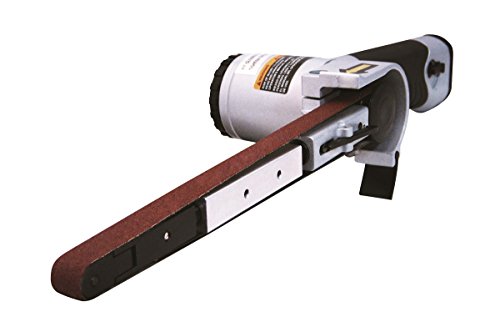
Astro Pneumatic 3037 1/2″ x 18″ Air Belt Sander

Jellas 7Amp Handheld 3″ x 21″ Belt Sander

Greteefor 6-Inch Variable Speed Bench Grinder
A Closer Look At Each Pick
Cordless sander culture has matured fast, and the Milwaukee 12V Fuel 1/2″ x 18″ Abrasive Belt Sander is the kind of tool that explains why. You can clamp it to a worktop, or freehand it across a weld, without dragging a compressor hose or extension cord behind you. The variable speed trigger and a top dial give you the same kind of control you’d expect from a corded machine, which matters when you’re blending a patch into a door skin.
Tool-free belt changes cut downtime on a busy day, and the rotating arm helps you keep the belt flat against a contoured panel. Bare-tool pricing assumes you already own a Milwaukee 12V battery, so factor that in if your kit is still on a different platform. It’s a credible match for fabricators and finish carpenters who already trust the brand.
Everyday Perks
- Variable speed trigger paired with a top dial for fine control on welds and finish work
- Tool-free belt swap means less downtime between grits
- Rotating contact arm reaches into door jambs and inside corners
- Compact 12V footprint fits smaller hands and tighter bays than 18V or pneumatic alternatives
Trade Offs
- No battery or charger in the box, so the real cost depends on your existing kit
- The 12V platform has less sustained torque than the 18V and corded heavy hitters in this list
Who It Suits Best
Mobile welders, finish carpenters, and shop techs who already run Milwaukee 12V batteries and need a cordless belt file that travels.
Where Another Pick Suits Better
The Makita 9403 4″ x 24″ Belt Sander serves you better if you need a corded workshop machine for sustained stock removal on wide boards.
If you’ve been juggling a separate bench grinder and a freestanding belt sander, this combo pulls both stations onto one cast-iron footprint. The 6-inch grinding wheel handles chisel and planer blade work, while the 2″ x 27″ belt on the side does edge shaping, deburring, and light sanding. A 2.5-amp induction motor keeps things cool during longer sessions, which is the kind of detail you only appreciate after the second hour at the bench.
Compared with the Milwaukee cordless pick above, this one trades portability for a dedicated workshop position. You won’t be carrying it to a job site, but you also won’t be charging batteries or hunting for an outlet. The induction motor stays noticeably quieter than brushed equivalents in this category, depending on the load you put on it.
Useful Strengths
- Combines a grinding wheel and a belt platform in one bench footprint
- Induction motor runs cooler and quieter under load than brushed alternatives
- 2″ x 27″ belt handles edge shaping, deburring, and small-part finishing
- Sturdy base reduces walking and chatter during heavy stock removal
Honest Caveats
- Single fixed speed on this configuration, so you swap belts for finer control
- Belt platform is narrower than dedicated 4″ wide sanders, so panel sanding takes more passes
Built With In Mind
Home shop owners and small woodworking businesses who sharpen blades, true up edges, and sand small parts in the same work session.
Consider Something Else When
Pick the Greteefor 6-Inch Variable Speed Bench Grinder instead if your work focuses almost entirely on sharpening and polishing rather than belt sanding.
Reach matters more than raw size when you’re working inside a frame rail or a tight radius. The Astro Tools 3036 3/8″ x 13″ Air Belt Sander slips into spots where a 4-inch wide belt simply cannot follow, and the included #40, #60, and #80 grit belts cover most cleanup and shaping work out of the box. A simple tension lever keeps belt changes quick, and the non-slip handle gives you a confident grip on small parts.
Unlike the Greteefor combo, this is a pneumatic file, so you’ll need a compressor capable of running it consistently. A non-slip grip and variable speed control help you feather the trigger when polishing a bezel or smoothing a weld inside a tube. It’s the kind of specialty tool that earns its place the day you start doing detailed metal finishing.
A Few Highlights
- Narrow 3/8″ belt accesses welds inside tubes, channels, and frame rails
- Includes three starter belts in common metalworking grits
- Variable speed throttle for control on heat-sensitive and thin stock
- Simple belt tension lever speeds up grit changes
Points To Keep In Mind
- Requires a compatible air compressor with adequate CFM output
- Small belt width makes it a poor choice for surfacing wide panels
Right Fit For
Metal fabricators, exhaust and fabrication shops, and hobbyists who already own a compressor and need detail access over surface area.
A Better Fit Elsewhere
The DEWALT DCM200B 20V MAX XR Cordless Bandfile suits you better if you want detail access without dragging a hose around the shop.
You trade cordless convenience for one of the more thoughtful contact-arm designs in this category. The DCM200B 20V MAX XR Cordless Bandfile puts a 104° rotating arm in your hand, which is genuinely useful when you need to keep the belt flat against an angled surface or a tube joint. Variable speed via trigger and a top dial give you a wide operating window without swapping air fittings or compressor regulators.
Set against the Milwaukee 12V pick above, the DEWALT leans on a stronger 20V platform, which translates to longer sustained removal on thicker stock. As a bare tool, the entry cost depends on whether you already own DEWALT 20V batteries. For commercial metal shops, the combination of power and arm reach tends to win over pneumatic-only setups.
The Practical Payoff
- 104° rotating contact arm reaches awkward angles without repositioning the workpiece
- 20V power head delivers higher sustained removal than typical 12V or pneumatic files
- Variable speed trigger and dial cover both aggressive grinding and finish blending
- Cordless platform removes compressor and hose from the workflow
Where It May Fall Short
- Bare tool only, so battery and charger add to the entry cost
- Heavier than compact pneumatic files, which adds fatigue during long overhead sessions
Made For
Welders, fabricators, and metal shop pros who already run DEWALT 20V batteries and need a cordless file with serious arm reach.
Look Elsewhere When
Pick the Astro Tools 3036 3/8″ x 13″ Air Belt Sander when your work involves very narrow inside-corner access and you already have a compressor piped in.
Some workshops want finesse, others want throughput, and the Makita 9403 4″ x 24″ Belt Sander is firmly in the second camp. The 4-inch belt width clears stock fast, and the 1,640 ft/min belt speed pulls material quickly on door slabs and wide panels. Owners commonly note that the labyrinth-sealed motor holds up well to dust, which is a real concern when you’re running a sander for hours on end.
Where the Jellas handheld below converts to a bench tool, the Makita is a purpose-built stationary sander that sits on a dedicated stand. The low 84 dB noise level is unusually quiet for a corded machine in this size class, depending on your room acoustics. It’s a strong match for serious woodworking shops, where the cord is a feature, not a limitation.
What Works In Its Favor
- 4″ wide belt clears stock quickly on doors, tabletops, and wide panels
- Labyrinth construction seals the motor and bearings from airborne dust
- Low 84 dB operating noise is easy on the ears during long sessions
- Flush sanding along nose and side reaches close to walls
Things To Consider
- Corded design requires a nearby outlet and a properly rated extension cord for long runs
- Larger footprint than handheld options, so plan your bench space
Who Will Love This
Cabinet shops, door hangers, and serious woodworkers who want a stationary workhorse for sustained material removal.
Skip It When
The Jellas 7Amp Handheld 3″ x 21″ Belt Sander suits you better if you need a small-footprint tool that converts between handheld and bench use.
Body shops and restoration garages have relied on pneumatic 1/2″ x 18″ files for decades, and the Astro Pneumatic 3037 carries on that tradition. The wider 1/2″ belt and the heavier 16,000 rpm free speed let you knock down welds and level body filler without bogging down. A non-slip handle and a protection guard address two of the small things that matter when you’re working over a fender for an hour at a time.
Versus the smaller 3036 model, this one trades a bit of access for a wider contact patch, which makes faster work of larger welds and panel edges. Three coarse-grit starter belts cover heavy cleanup, and the simple tension lever keeps swaps quick. A compatible air compressor is non-negotiable here, but for shops that already run pneumatic tooling, this is a comfortable fit.
A Strong Showing
- 1/2″ wide belt covers more surface area than narrower pneumatic files
- 16,000 rpm free speed handles welds and body filler efficiently
- Non-slip grip reduces hand fatigue on long shaping jobs
- Protection guard covers both the operator and the belt edges
Softer Spots
- Requires a compressor with the right CFM rating to run at full speed
- Coarse-grit starter belts lean toward heavy work, so you may want to add finer grits separately
Best Suited To
Auto body techs, restoration shops, and welders who already run a compressor and need a reliable 1/2″ x 18″ file.
Another Choice May Suit
The DEWALT DCM200B 20V MAX XR Cordless Bandfile fits you better if you want similar file capability without being tethered to an air line.
Some shop owners don’t need a dedicated bench sander at all, and that’s exactly the case the Jellas 7Amp Handheld 3″ x 21″ Belt Sander answers. A 7-amp motor, a six-dial speed knob, and a lock-on button let you freehand the tool across a deck board, then flip it over and clamp it to a workbench for stationary work. A small dust bag helps keep your shop or garage from turning into a sawdust cloud.
Compared with the Makita 9403 above, the Jellas is far more portable, but it won’t keep up with hours of door-slab sanding on a daily basis. The variable speed window of roughly 120 to 400 rpm is generous for the price class, so you can slow down for heat-sensitive work or speed up for fast stock removal. It’s a comfortable first sander for a hobbyist workshop.
Positive Takeaways
- Converts between handheld and bench-mounted use with included C-clamps
- Variable speed knob covers a useful range for wood, plastic, and light metal work
- Lock-on button reduces hand fatigue during extended sanding sessions
- Built-in dust bag keeps fine debris off the workpiece and your face
Points To Note
- Not designed for production-level daily use, depending on the workload you put on it
- Dust bag is small, so expect to empty it often during longer sessions
Perfect Match For
Weekend woodworkers, DIY remodelers, and small-shop hobbyists who want one tool that handles both portable and bench tasks.
Reach For A Different Pick When
The Makita 9403 4″ x 24″ Belt Sander makes more sense for daily production sanding where consistent power matters more than portability.
Sharpening is the original tabletop sander job, and a quiet variable-speed bench grinder is the right tool when most of your work is edges and bevels rather than surfaces. The 2.5-amp brushless induction motor on this 6-inch bench grinder runs cooler and quieter than brushed motors, and the wide 1,725 to 3,450 rpm speed range covers both slow polishing and fast grinding. An included wheel dresser lets you true the wheel on the spot, which extends abrasive life.
Set next to the Greteefor combo earlier in this list, this grinder is the focused choice when you don’t actually need a belt station. LED work lights, eye shields, and a cast-iron base make a complete sharpening station in one footprint, depending on how you set up your bench. It’s a thoughtful addition to any shop that already has a separate belt sander.
The Upside
- Brushless induction motor runs quieter and lasts longer than brushed equivalents
- Wide 1,725 to 3,450 rpm range handles both sharpening and polishing
- Included wheel dresser keeps the grinding face true over time
- LED work lights and eye shields add visibility and safety at the bench
Where It Is Less Suited
- Single-purpose design means it pairs with a separate sander for surface work
- Cast-iron base adds weight, so consider your bench load
Whose Shelf It Belongs On
Knife makers, woodworkers, and home machinists who need a dedicated sharpening and polishing station and already have a separate sander for surfacing.
Swap It Out When
Pick the Greteefor 6-Inch Grinder and 2″ x 27″ Belt Combo instead if you want both sharpening and belt sanding on one bench footprint.
What To Match Your Workshop Routine To
Start with the material you actually work on most. Woodworkers grinding through rough lumber and wide panels benefit from a 4″ wide corded machine like the Makita 9403, while metalworkers and fabricators usually want a pneumatic or cordless 1/2″ x 18″ file with a rotating contact arm. The space you have also matters, because a stationary belt sander needs a dedicated spot on a sturdy bench, while a handheld-plus-clamp design like the Jellas 7Amp lives in a drawer until you need it.
Power source is the second fork. Corded models deliver sustained torque without battery anxiety, which is a real plus in a busy shop. Cordless picks like the Milwaukee 12V Fuel and DEWALT DCM200B are the right call for job sites, remote work, and tight bays where a hose or cord gets in the way. Pneumatic files from Astro run all day on shop air, but they need a compressor with the right CFM to perform.
Belt size is the third signal. A 4″ x 24″ belt is the workhorse for surfacing and panel work. A 1/2″ x 18″ file handles welds, body filler, and inside-corner blending. A 3/8″ or 3/21″ belt or platform covers tight radii and small-part work. Picking the belt size that matches your most common job keeps you from forcing a too-wide or too-narrow tool across the bench.
Key Considerations Across These Picks
Where Shoppers Go Wrong
The most common mistake is picking by belt width alone, since a wide belt on a flimsy motor bog down on hard wood or thick metal. Another slip is buying a pneumatic file without checking the compressor’s CFM rating, which leaves the tool starved for air and running hot. Finally, some shoppers forget dust collection, so a small bench sander can fill a room with fine grit in a single afternoon.
The Upgrade Payoff
The jump from a basic brushed bench grinder to a brushless variable-speed model brings quieter operation, slower speeds for polishing, and longer motor life. The jump from a handheld to a cordless file with a rotating contact arm pays off when you work on contours and inside corners, where holding the belt flat against the surface is the hardest part of the job. Spending more also typically brings better dust sealing, which protects bearings and extends service intervals on the tool.
Frequently Asked Questions
What is a tabletop belt sander used for?
A tabletop belt sander removes material quickly from wood, metal, plastic, and other surfaces, and it works well for flattening boards, knocking down welds, shaping edges, and sharpening tools. Bench-mounted machines stay put for stationary work, while handheld and clamp-on models handle larger workpieces you bring to the tool.
How do I choose between corded, cordless, and pneumatic belt sanders?
Corded machines deliver consistent power and run all day on a wall outlet, which is great for a fixed workshop. Cordless picks like the Milwaukee and DEWALT files on this list free you from cords and hoses for remote work. Pneumatic files from Astro need an air compressor but stay light and cool during long sessions.
What grit belt should I start with on a tabletop belt sander?
Coarse grits around #40 to #60 are useful for heavy material removal on welds and rough lumber. Medium grits around #80 to #120 handle general sanding and prep work. Fine grits above #150 are best for finish blending, so starting with a couple of coarse and medium belts covers most projects.
Can a handheld belt sander work as a bench sander?
Some handheld belt sanders, including the Jellas 7Amp model above, can flip over and clamp to a workbench to act as a basic bench sander. For daily production bench work, a purpose-built stationary machine like the Makita 9403 typically delivers more consistent results and better dust handling.
How much workshop space do I need for a tabletop belt sander?
Compact bench grinders and small belt sanders need roughly a 2-foot by 2-foot footprint, plus room to bring workpieces to the tool. Larger 4″ wide belt sanders like the Makita 9403 need a deeper bench and clearance on both ends for long boards, so plan space accordingly.




