


A 4-1/2 inch angle grinder paired with the wrong blade turns a clean tile job into a chipped, dusty mess in about ten seconds. The right diamond blade, by contrast, glides through porcelain, ceramic, and stone with a kerf (the narrow slot the blade cuts into the material) so tight the cut edge almost disappears. This roundup covers nine tile blades for grinder work that span wet-cut specialists, ultra-thin dry-cut discs, and multi-material packs. Every pick below suits a slightly different combination of grinder size, material mix, and skill level, so skim for the scenario that matches your project before drilling into the details.
A Quick View Of The Lineup

DEWALT Diamond Blade for Porcelain Tile, Wet/Dry, 4-1/2-Inch (DW4765)

LOZLIN Ultra Thin 0.05″ Diamond Grinding Disc for Angle Grinder (3 Pack)

FOXBC 4-1/2 inch Tile Cutter Diamond Saw Blades for Angle Grinder (3 Pack)

LOZLIN Diamond Blades for Angle Grinder, 4.5″ Metal Cutting Blades, 3 Pack
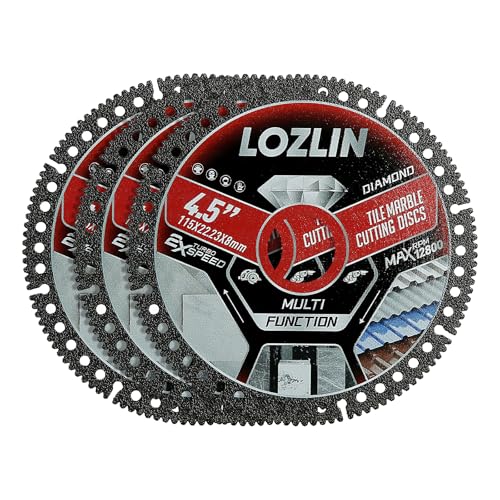
LOZLIN Diamond Blade for Tile Cutting, Ultra Thin Disc, 3 Pack 4.5″ Grinder

FOXBC 4-1/2 Inch Tile Glass Cutting Disc for Angle Grinders (3 Pack)
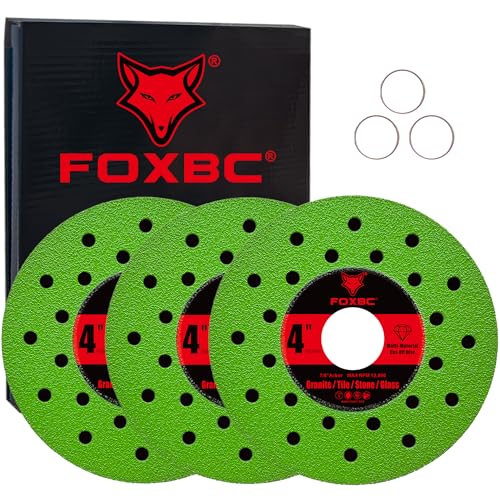
FOXBC 4 inch Tile Cutter Diamond Saw Blades for Angle Grinder (3 Pack)

DRILKING 4-1/2 inch Tile Cutter Diamond Saw Blade for Angle Grinder (3 Pack)

LOZLIN Diamond Blades 5-Pack 4.5″ Multi-Purpose Saw Blades
The Picks, Examined More Closely
The DEWALT DW4765 sits at the top of the list because it leans into what porcelain work actually demands: a high diamond concentration (the density of abrasive crystals bonded into the rim) and a steel core that stays true at the high RPMs (revolutions per minute, the speed at which the blade spins) a grinder throws at it. For a bathroom remodel or backsplash refresh where one clean, square cut matters more than a stack of spare discs, this single blade earns its keep.
Wet or dry cutting flexibility means you can run a portable water feed for dust suppression (spraying water onto the cut to capture airborne particles) or go dry with steady, light passes when a wet setup isn’t practical. The tensioned core helps the disc resist wobble, which is the most common reason a tile chip appears at the end of a cut. Compared with the multi-packs below, the DEWALT trades volume for a more focused build that should outlast several cheaper discs on a real job.
Everyday Wins
- High diamond density delivers a fast, clean cut rate on porcelain and ceramic
- Steel core tensioning reduces wobble, so finished edges stay square
- Wet and dry compatibility gives flexibility for shop and site use
- Heat-resistant core limits distortion during longer sessions
- Single-blade purchase suits one-off bathroom and kitchen tile projects
Worth Noting
- One blade per purchase, so a slip or a deep drop ends the disc
- Dry cutting demands lighter pressure to prevent glaze chipping
Key Specs
Who It Suits Best
Contractors and serious DIYers running porcelain-heavy jobs who prefer a single premium blade over a stack of replaceables.
Where Another Pick Suits Better
For mixed material runs that bounce between tile and metal, the LOZLIN Diamond Blades for Angle Grinder, 4.5″ Metal Cutting Blades, 3 Pack offers more flexibility.
Where most diamond tile blades focus on cutting, this LOZLIN disc splits the difference between saw and grinder. The 0.05 inch kerf is genuinely thin, so very little material gets lost to the cut, and the double-sided abrasive face turns the same disc into a chamfering (angled edge-beveling) and edge-smoothing tool once the slice is done. For visible tile edges that end up exposed, that two-in-one design saves a blade swap.
The 22.23 mm arbor (the center hole that mounts onto the grinder spindle) is the standard 4-1/2 inch grinder fit, so installation is a matter of a flange nut and a wrench. Low resistance cutting reduces the grind of pushing the disc through dense porcelain, which helps anyone working without a water feed. The trade-off shows up in lifespan, since thin kerfs dissipate heat through a smaller diamond surface area, so heavy production use will burn through these faster than a thicker tile-only blade.
Strengths Worth Knowing
- Ultra-thin 0.05 inch kerf minimizes chipping on glazed porcelain
- Double-sided abrasive face handles grinding, chamfering, and edge cleanup
- Low resistance geometry eases hand fatigue on long scoring cuts
- Standard 22.23 mm arbor fits common 4-1/2 inch grinders
Trade Offs
- Thin profile shortens total lifespan under heavy production cutting
- Three-pack counts deplete quickly when a single disc is used for both cut and grind work
- Glass edges can flake if pressure is inconsistent across the cut line
Made For
Finish-focused tile setters and remodelers who want the same disc to score, cut, and clean up exposed porcelain edges.
Skip It When
High-volume contractors will get more life out of the thicker DEWALT Diamond Blade for Porcelain Tile (DW4765) on a full bathroom rough-in.
FOXBC’s three-pack lands here as the everyday workhorse. The 7/8 inch arbor with a 5/8 inch reducing bushing widens grinder compatibility, so you can drop the same disc on a standard 4-1/2 inch grinder or a compact cutoff tool without hunting for an adapter. Multi-material framing covers porcelain, ceramic, marble, and glass, which covers most home project runs from kitchen backsplash to outdoor mosaic.
The diamond grit rim is built to outlast standard bonded cut-off discs, so the three-pack should outlast a similar three-pack of basic abrasive wheels by a wide margin. A porcelain tile job that chews up two of these still leaves a third as a backup, which is the kind of insurance a one-blade purchase can’t match. For most weekend warriors, this set covers the bases without the DEWALT-level price tag.
Practical Pluses
- Three-disc value pack spreads cost across multiple projects
- 7/8 inch arbor with 5/8 inch bushing fits both common grinder sizes
- Diamond grit rim resists wear far longer than bonded abrasive discs
- Multi-material profile spans tile, glass, ceramic, and stone
Small Caveats
- General-purpose design trades specialized clean-edge performance for versatility
- Dry cutting produces noticeable dust, so outdoor or wet-feed use is recommended
- Long continuous runs on thick granite may shorten disc life below the premium options above
Quick Facts
Best Suited To
DIY homeowners taking on a one-room tile refresh who want a spare blade or two on the shelf when the first one wears out.
Not Your Match When
For predominantly porcelain-heavy work, the DEWALT Diamond Blade for Porcelain Tile (DW4765) cuts cleaner and lasts longer per disc.
Some projects don’t stay in one material. Tearing out a tile shower might mean slicing through cement board, ceramic, and the occasional embedded screw, all in the same afternoon. LOZLIN’s 4.5 inch metal cutting diamond pack leans into that reality, claiming compatibility with marble, quartz, stone, tile, metal, and plastic without forcing a blade swap mid-task.
The 0.87 inch arbor with the included reducer covers a wide range of grinders, and the 0.05 inch thin profile keeps the cut narrow. For homeowners who already own one grinder and want one disc family to cover most of what gets thrown at it, this is the closest thing in the lineup to a do-it-all option. The honest read is that the metal cutting framing makes this a slightly compromised tile specialist, but a much better all-rounder than a tile-only disc.
What Stands Out
- Cuts tile, stone, metal, and plastic with the same disc
- 0.05 inch thin kerf reduces material waste on every pass
- 0.87 inch arbor with reducer broadens grinder compatibility
- Three-pack value fits mixed-material weekend work
Points To Keep In Mind
- Multi-material build doesn’t match the DEWALT on pure porcelain precision
- Heat management matters when jumping between metal and stone in one session
- Glass cutting works but is slower than a dedicated glass disc
Right Fit For
Shop owners and homeowners tackling tear-out and remodel projects where tile is only one of several materials in play.
A Better Fit Elsewhere
When the project is porcelain-only, the DRILKING 4-1/2 inch Tile Cutter Diamond Saw Blade (3 Pack) holds a sharper edge longer on hard ceramic surfaces.
Budget shoppers looking for a real tile-cutting diamond at a comfortable price point will find the most direct value in this LOZLIN three-pack. The discs are sized at 4.5 inches (115 mm) with a standard 22.23 mm thickness spec, so they drop onto the same grinder flange as the more expensive picks above. The 3-pack format is built for the homeowner who treats tile as a one-time project rather than a recurring revenue stream.
Where the DEWALT blade is built for sustained production, this trio is tuned for daily cutting and grinding tasks of a typical DIY session. The trade-off is depth of cut consistency: expect the first disc to perform noticeably better than the third, since thinner diamond rims glaze (smooth over from heat) faster on porcelain. Still, for a single bathroom floor or a kitchen backsplash, three ultra-thin discs is more than enough to finish the work.
Advantages To Know
- Three ultra-thin discs at a wallet-friendly per-unit cost
- Standard 22.23 mm arbor matches most 4-1/2 inch angle grinders
- Thin profile keeps the kerf narrow for less material loss
- Handles both light cutting and basic edge grinding on tile and stone
Honest Caveats
- Not designed for daily contractor-level use, so lifespan trails premium options
- Dry cutting on porcelain demands patience to avoid overheating the rim
Who Should Grab It
One-time DIYers planning a single bathroom or backsplash who want three reliable cutting discs at a friendly price.
Consider Something Else When
Regular remodelers will stretch the FOXBC 4-1/2 inch Tile Cutter Diamond Saw Blades (3 Pack) further per disc on the same project load.
Crafters and upcyclers tend to live outside the standard tile conversation. Cutting glass bottles for lighting, slicing ceramic tiles for mosaic work, or scoring crystal for a custom display all want a disc that doesn’t shatter what it cuts. This FOXBC three-pack targets that exact crowd, and the multi-material framing is broad enough to handle tile, glass, wine bottle, crystal, and masonry in the same session.
The 7/8 inch arbor with a 4/5 inch bushing stretches grinder compatibility, and a listed max RPM of 13,280 keeps the disc in a safe operating range for most 4-1/2 inch grinders. For crafters, this is one of the few blades on the list that can make a clean cut through a wine bottle without sending glass everywhere. Just keep water and patience on hand, since glass cutting gets hot fast.
The Practical Payoff
- Handles glass, wine bottles, and crystal alongside standard tile
- 13,280 max RPM rating suits most 4-1/2 inch angle grinders
- 7/8 inch arbor plus 4/5 inch bushing covers more grinder arbors
- Three-disc format suits hobby work where breakage is part of the learning curve
Possible Compromises
- Glass cutting generates heat, so water cooling extends disc life noticeably
- Hard porcelain cutting is not the primary design target, so the rim wears faster on tile than on glass
Feature Snapshot
Whose Shelf It Belongs On
Glass artists, mosaic makers, and home upcyclers who need one disc that handles both tile and bottle work.
Reach For A Different Pick When
Porcelain tile-only installers should grab the DEWALT Diamond Blade for Porcelain Tile (DW4765) for cleaner, longer-lasting cuts.
Compact 4 inch angle grinders deserve a tile blade that matches their smaller footprint. This FOXBC three-pack is built around that reality, with a 7/8 inch arbor and 5/8 inch bushing that fits the typical 4 inch grinder spindle. Smaller diameter discs also generate less torque load (twisting force on the grinder motor), so they’re kinder to the lighter motors found on compact cordless models.
The multi-material framing covers rock slab, cement, ceramic, stone, tile, granite, and marble, which is broader than the 4-1/2 inch FOXBC pack but on a smaller scale. For detail work in tight corners, around outlet boxes, or on mosaic-scale projects, a 4 inch disc simply maneuvers better. The honest trade is cut depth: a 4 inch disc can’t slice as deep per pass, so thick porcelain slabs require multiple scoring passes.
Reasons It Performs
- 4 inch diameter suits compact 4 inch angle grinders and tighter cuts
- 7/8 inch arbor with 5/8 inch bushing covers common small-grinder spindles
- Multi-material range covers tile, stone, granite, marble, and rock slab
- Lower torque load is gentler on compact grinder motors
Some Limits To Know
- Smaller diameter limits cut depth on thick porcelain or stone slabs
- Heavier masonry will consume the disc faster than the 4-1/2 inch FOXBC pack above
Built With In Mind
Owners of compact 4 inch angle grinders doing detail work, tight cuts, or small mosaic and trim projects.
Swap It Out When
Larger 4-1/2 inch grinders handle deeper cuts more efficiently with the FOXBC 4-1/2 inch Tile Cutter Diamond Saw Blades (3 Pack).
Vacuum-brazed diamond grit (a bonding process where diamond crystals are fused directly to the steel rim, rather than held in a metal matrix) is the headline here, and the format matters. Where standard bonded discs slowly lose their cutting crystals, a vacuum-brazed rim exposes fresh abrasive as it wears, which is why DRILKING positions this pack for hard materials like porcelain and granite. It’s a different cutting philosophy from the matrix-bonded discs earlier in the list, and it pays off on dense stone.
The solid steel core is tuned to reduce vibration, and a porous design is meant to lower heat, noise, and dust during operation. On a job site, that translates to less hand fatigue and a more controlled cut, which is what you want when shaping a stone countertop or a porcelain threshold. Three blades per pack keep the workflow moving when one eventually wears out, and the standard 4-1/2 inch format fits the most common grinder size in any home shop.
The Case For It
- Vacuum-brazed diamond rim maintains sharpness on hard porcelain and granite
- Solid steel core cuts vibration for safer, more controlled cuts
- Porous blade design aims to reduce heat, noise, and dust
- Three-pack size matches the workload of a small remodel project
Factors To Consider
- Vacuum-brazed rims are typically more rigid and less forgiving on thinner ceramic
- Higher upfront cost per disc than basic bonded abrasive three-packs
Perfect Match For
Tile setters and remodelers cutting porcelain, granite, or engineered stone who want a longer-lasting edge on dense material.
Where Another Pick Suits Better
For thinner ceramic and glass, the LOZLIN Ultra Thin 0.05″ Diamond Grinding Disc (3 Pack) keeps chipping to a minimum.
Long renovation projects chew through blades, so a five-pack earns its place at the bottom of the list. LOZLIN’s heavy duty multi-purpose set stretches the same 4.5 inch format and 0.87 inch arbor across a 5-disc bundle aimed at marble, quartz, stone, tile, metal, and plastic. The “black teeth” design language refers to the tooth geometry around the rim, which is configured for aggressive material removal rather than fine scoring cuts.
Where smaller three-packs suit a single room’s worth of work, this five-pack is sized for whole-home tile tear-outs and a season’s worth of small repair jobs. The trade-off is precision, since heavier cut geometry trades fine-edge performance for raw cutting speed. The honest read: pick this one when you want inventory on the shelf, not when you want the cleanest possible single cut on a high-end porcelain slab.
A Favorable Mix
- Five-disc bundle supports long renovation projects without reordering
- Multi-purpose design cuts tile, stone, metal, quartz, and plastic
- Standard 4.5 inch format fits the most common grinder size
- Aggressive cut geometry speeds material removal on big jobs
Things To Weigh Up
- Aggressive geometry chips delicate glazed porcelain more than finer discs
- More blades per pack means more storage space to keep spares on hand
The Right Fit
Home renovators and small contractors who want a stocked shelf of replacement discs before kicking off a multi-room tile project.
Where A Sibling Pick Shines
For a single high-end porcelain install where cut quality matters more than disc quantity, the DEWALT Diamond Blade for Porcelain Tile (DW4765) is the better match.
What To Weigh Before Choosing Tile Blades For Grinder
Match The Blade Diameter To Your Grinder
The most common tile blade diameter is 4-1/2 inches (115 mm), which fits the small angle grinder found in most home workshops. Compact 4 inch grinders need a smaller disc, and oversize grinders typically use 7 inch or 9 inch blades for tile. Before anything else, confirm the spindle size (the threaded shaft the blade mounts onto) on your grinder matches the blade arbor, and check that the listed max RPM on the blade is at or above your grinder’s no-load speed (the RPM the grinder spins at with no cutting resistance). A mismatch on either spec is the fastest path to a cracked tile or a shattered disc.
Pick The Right Bond For The Material
A diamond blade’s bond is the metal matrix that holds the diamond crystals in place. Hard materials like porcelain need a softer bond that wears away to expose fresh diamonds faster, while soft materials like marble need a harder bond to keep the diamonds in place longer. Multi-material discs compromise both directions, which is why dedicated tile blades typically cut cleaner than general-purpose diamond discs. If your project leans heavily on one material, a specialized bond is worth the search.
Ultra-Thin Versus Standard Kerf
The kerf is the width of the cut the blade leaves behind. Ultra-thin 0.05 inch kerf discs waste less material and chip glazed tile less, but they also dissipate heat through a smaller surface area, which shortens lifespan. Standard kerf discs last longer but chew up a bit more tile and may chip the glaze on delicate porcelain. For visible cuts on premium tile, thin kerf pays off. For rough framing cuts or back-of-house tile, standard kerf is the more forgiving choice.
Wet Versus Dry Cutting Capability
Wet cutting sprays water onto the disc to suppress dust and cool the diamond rim, which extends blade life and protects your lungs. Dry cutting is faster to set up and more portable, but generates heat and airborne silica dust (fine crystalline particles released when cutting stone, which pose a respiratory hazard). Many discs on this list are rated for both, but running them dry means lighter pressure and shorter continuous passes. For indoor projects, a wet setup or a shop vacuum with HEPA filtration makes the work safer.
Shopping Smarter In The Tile Blade Aisle
Mistakes Worth Dodging
The most common error is matching blade diameter to the project instead of to the grinder. A 4 inch disc on a 4-1/2 inch grinder won’t seat properly, and an oversized disc on a smaller grinder spins too fast for safe operation. Another frequent slip is buying a single blade for a multi-room project, since diamond rims do wear out and running a glaze-over disc produces cracked tile and dust clouds. Plan for at least one spare per major project, and replace the disc the moment the cutting speed drops noticeably, since a dull disc generates more heat than a sharp one and chips the glaze.
When Paying More Pays Off
Premium blades like the DEWALT Diamond Blade for Porcelain Tile earn their higher per-disc cost through longer lifespan, cleaner cuts, and more consistent steel cores that resist wobble. For a one-room DIY job, a three-pack budget blade is the rational choice. For a full bathroom remodel or a stone countertop project, the math flips: one premium blade can outlast three cheap ones, the cut quality is noticeably better, and the steel core stays true under sustained pressure. Spend up when the project’s material cost is high, the cut quality is visible, or the blade will see dozens of linear feet of cut.
Frequently Asked Questions
Can A 4-1/2 Inch Angle Grinder Cut Porcelain Tile?
Yes, a 4-1/2 inch angle grinder paired with a diamond blade rated for porcelain handles ceramic and porcelain tile cleanly. The key is light, consistent pressure and multiple shallow passes rather than a single deep cut. A wet feed or steady dry passes with dust collection both work, depending on the blade’s rating.
What Is The Difference Between Wet And Dry Diamond Blades?
Wet blades are designed to run with continuous water flow, which cools the rim and suppresses dust. Dry blades use a softer bond or ventilated rim to dissipate heat without water, which is more portable but produces more airborne dust. Many modern blades are rated for both, with the manufacturer specifying safe continuous cut times for dry operation.
How Long Does A Diamond Tile Blade Last?
Lifespan depends on the material being cut, the pressure applied, and whether the blade is run wet or dry. A premium blade on porcelain might deliver dozens of linear feet of cut, while a budget blade on the same material might last only a handful. Replace the blade when cutting speed drops noticeably or when the rim shows visible glazing.
Are Ultra-Thin Tile Blades Worth The Extra Cost?
Ultra-thin blades cut cleaner on glazed porcelain and waste less material, which matters on premium tile where chipping ruins the piece. The trade-off is shorter total lifespan, since thin rims dissipate heat through less surface area. For visible cuts on expensive tile, the cleaner edge is usually worth the shorter life.
Can One Blade Cut Tile And Metal Safely?
Multi-material diamond blades do exist, and the LOZLIN Diamond Blades for Angle Grinder, 4.5″ Metal Cutting Blades, 3 Pack is a solid example. The trade-off is precision: a true tile-only blade cuts cleaner porcelain, and a true metal blade lasts longer on steel. Multi-material discs make sense for mixed-material tear-outs but not for production tile work.




