


Ceramic tile work feels deceptively simple until the first crooked edge throws off an entire row. A dependable tile cutter saves you from chipped corners, ragged cuts, and wasted material whether you’re laying a kitchen backsplash, refreshing a bathroom floor, or trimming pieces for a small repair. The list below covers manual and power-cutting tools, with a focus on blades and discs that handle ceramic specifically. You’ll find options for angle grinder users, wet-saw owners, and anyone who prefers a classic push cutter. Each pick is matched to a real situation, so you can match the tool to your project instead of guessing.
The Essentials At A Glance

FOXBC 37 Inch Diamond Coated Bandsaw Blade for Gryphon C-40 – 2 Pack

FOXBC 4-1/2 inch Tile Cutter Diamond Saw Blades for Angle Grinder – 3 Pack

FOXBC 4-1/2 Inch Tile Glass Cutting Disc for Angle Grinders – 3 Pack
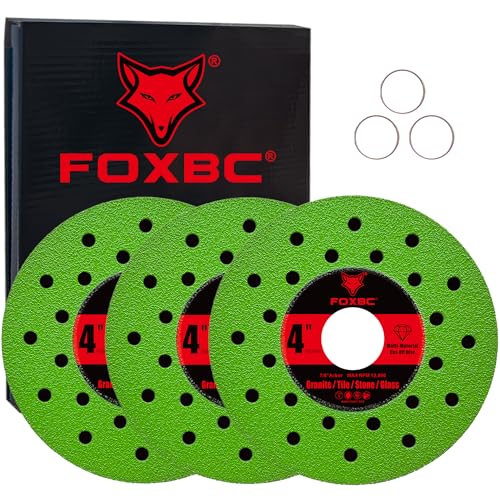
FOXBC 4 inch Tile Cutter Diamond Saw Blades for Angle Grinder – 3 Pack

FOXBC 5-3/4″ Ring Saw Diamond Bandsaw Blade for Taurus 3.0 and II.2 Grit (140-170)

FOXBC Glass Cutting Disc 4 Inch for Angle Grinders – 3 Pack

Sigma Tile Cutter Art. 4EN 125 cm

FOXBC 42 Inch Diamond Bandsaw Blade for Gryphon Tall C-40 CR, Kent AquaSaw XL
Taking A Closer Look At The Options
Built for shops that already run a Gryphon bandsaw, this 37-inch diamond blade slots into the C-40, the Speedster Laser XL, and a range of compatible wet-saw models. The 1/8-inch width keeps the cut narrow, which matters when you want clean edges on glass tile or thin ceramic without sacrificing too much material. A two-pack gives you a ready spare, so a worn blade mid-project never halts your workflow.
For tile work, the trade-off is clear: bandsaw blades suit smaller, more intricate pieces rather than full slab cuts. Where a circular saw is faster on straight runs, this blade earns its place on detail trimming, notching, and scoring around outlets. The diamond-coated stainless steel core is built for wet cutting, which controls dust and keeps the blade cool during longer sessions.
Strengths Worth Knowing
- Universal 37-inch fit across Gryphon and similar bandsaw platforms, including the Speedster Laser XL and CRL models.
- Narrow kerf preserves material on small-format ceramic and glass tile pieces.
- Two-pack format means a backup blade is always within reach for continuous shop work.
- Diamond coating handles ceramic alongside glass, expanding the blade’s usefulness across mixed-material jobs.
Things To Consider
- Bandsaw platforms require a wet-cutting setup, so users without a reservoir or pump need extra accessories.
- The 1/8-inch width and curved cutting path make long straight runs slower than a standard tile saw.
Who It Suits Best
Shop owners and serious hobbyists who already own a compatible Gryphon or CRL bandsaw and need reliable replacement blades for ceramic and glass tile work.
Where Another Pick Suits Better
Homeowners without a bandsaw should reach for the FOXBC 4-1/2 inch Tile Cutter Diamond Saw Blades, which fit any standard angle grinder.
This 4-1/2-inch diamond blade is the workhorse pick for anyone who already keeps an angle grinder in the toolbox. The thin rim profile trims ceramic and porcelain cleanly without removing excess material, which helps when you need precise notches around pipes or cabinet edges. A 7/8-inch arbor with a 5/8-inch bushing covers most standard grinder models, so compatibility is rarely a concern.
The three-pack format suits weekend warriors tackling backsplashes, small floor repairs, and outdoor tile touch-ups. Unlike the bandsaw blade above, this disc delivers the aggressive cutting speed you want for straight runs across multiple tiles in a single session. For most home projects, you may find the three-disc supply covers the entire job without needing a replacement mid-cut.
What Helps Most
- Ultra-thin rim reduces chipping on glazed ceramic surfaces, preserving the finished edge.
- Three-disc pack gives meaningful value compared to single-blade purchases.
- Compatible with both dry and wet cutting methods, depending on your workspace setup.
- Multi-material design handles porcelain, marble, granite, and stone alongside ceramic.
Worth Noting
- Dry cutting generates fine dust, so proper respiratory protection matters during longer sessions.
- Cutting depth is limited by the 4-1/2-inch diameter, which restricts use on very thick stone.
Feature Snapshot
Made For
DIYers and renovators who already own a 4-1/2-inch angle grinder and want a versatile ceramic tile blade for home repair and remodeling tasks.
Consider Something Else When
Anyone needing larger format cutting capacity should consider the Sigma Tile Cutter Art. 4EN 125 cm, which handles full-size floor tiles without power tools.
Where the previous disc emphasizes thin-kerf precision, this sibling disc leans toward raw cutting power. The 7/8-inch arbor with 4/5-inch bushing matches standard angle grinders, and the published maximum RPM of 13,280 means it tolerates aggressive pushing without bogging down. For thicker ceramic or jobs that mix tile with stone, concrete, and rebar, the multi-material spec holds up.
Real-world use leans toward heavy renovation work, like cutting through old ceramic in a bathroom demolition or trimming stone-look porcelain pavers on a patio. The trade-off shows up on glass and glazed surfaces, where the slightly thicker rim can produce more chipping than a true glass-rated disc. For mixed-debris jobs, though, the versatility tends to win out.
The Good Stuff
- High maximum RPM rating supports aggressive cutting on dense materials.
- Multi-material capability covers ceramic, stone, marble, masonry, and rebar in a single disc.
- Three-pack format keeps spares ready for extended project timelines.
- Suitable for both tile cutting and masonry grinding without switching tools.
Trade Offs
- On delicate glazed ceramic, the disc may chip edges more than thinner specialty blades.
- Running at the upper RPM range demands a sturdy grinder with good speed control.
Best Suited To
Contractors and remodelers who tackle demolition and renovation work involving ceramic, masonry, and mixed materials in a single job site.
Not Your Match When
Glass tile or precision craft work calls for the Sigma Tile Cutter Art. 4EN 125 cm, which scores and snaps without a spinning blade.
A 4-inch disc solves problems that bigger blades can’t reach. Tight corners behind toilets, awkward notches around shower valves, and detail work on mosaic sheets all benefit from the smaller cutting diameter and improved maneuverability. The 7/8-inch arbor with 5/8-inch bushing keeps it compatible with the same grinder fleet as the 4-1/2-inch options above.
The smaller size does limit cutting depth, so this disc earns its spot as a finishing tool rather than the main blade on a full tile job. For mosaic sheets and small ceramic trim pieces, the trade-off is usually worth it. Most users keep one of these alongside a larger blade for detail cleanup after the primary cuts are done.
A Strong Showing
- Compact 4-inch diameter accesses tight spaces where larger blades bind or overcut.
- Ultra-thin profile minimizes chip-out on glazed ceramic edges.
- Same multi-material capability as larger siblings, covering stone, marble, and tile.
- Three-pack pricing makes it affordable to keep as a dedicated detail blade.
Points To Note
- Smaller diameter limits how deep the blade can cut in a single pass.
- Not ideal as a primary blade for full tile sheets due to repeated repositioning.
Whose Shelf It Belongs On
Tile installers and homeowners who need a reliable detail blade for notching, trimming, and finishing work around fixtures and corners.
Look Elsewhere When
Large floor tile installations call for the Sigma Tile Cutter Art. 4EN 125 cm, which scores and snaps full sheets without a power tool.
Ring saws are the answer when standard wet saws hit their limits on curves and tight radii, and this 5-3/4-inch blade is purpose-built for that role. It’s a direct replacement for the Taurus 3.0 and Taurus II.2 ring saws, with a multi-directional cutting path that lets you follow arcs rather than just straight lines. The 140-170 grit range strikes a balance between material removal and finish quality on ceramic tile.
For most homeowners, a ring saw is overkill, and a manual cutter or angle grinder covers everyday needs. For tile artisans, mosaic makers, and anyone shaping custom inlays, this blade unlocks cuts that no straight saw can match. Compared to the flat discs above, it handles radius work that would otherwise require a jigsaw with a specialty tile blade.
Practical Pluses
- Multi-directional cutting design follows curves, arcs, and tight radii cleanly.
- 140-170 grit balances cutting speed with edge finish on ceramic.
- Direct compatibility with Taurus 3.0 and II.2 ring saw platforms.
- Diamond coating extends to glass, marble, and lapidary materials beyond tile.
Some Limits To Know
- Requires owning a compatible Taurus ring saw, which is a dedicated investment.
- Ring saw cutting paths are slower than straight wet-saw cuts on long runs.
Feature Snapshot
Who Should Grab It
Tile artisans, mosaic creators, and installers who already own a Taurus ring saw and need to cut curves, arches, or detailed shapes in ceramic and glass.
Swap It Out When
Standard straight cuts on flat tile are faster with the FOXBC 4-1/2 inch Tile Cutter Diamond Saw Blades on a basic angle grinder.
This 4-inch disc runs on the same grinder platforms as the previous FOXBC offerings, but positions itself as a budget-friendly multi-tasker. The 7/8-inch arbor with 4/5-inch bushing matches most handheld grinders, and the diamond rim tackles ceramic, glass, tile, and stone in a single disc. For occasional use across varied materials, the three-pack pricing keeps per-job costs low.
The honest read is that this disc won’t match specialty blades on any one material, but for someone who only needs to cut tile twice a year and a wine bottle once, the versatility is the selling point. Compared to the 4-1/2-inch FOXBC above, the smaller diameter means slightly tighter maneuverability in exchange for a bit less cutting depth.
Everyday Advantages
- Three-pack format delivers strong value for light, infrequent tile work.
- Multi-material design covers tile, glass, ceramic, and stone in one disc.
- Compatible with standard angle grinders via included bushing.
- Smaller 4-inch size helps in tight spots where bigger blades can’t reach.
Room For Improvement
- Lacks the heavy-duty RPM rating of the 4-1/2-inch disc above for sustained heavy cutting.
- Not optimized for porcelain or harder stone materials over extended use.
Feature Snapshot
The Right Fit
Casual DIYers and homeowners who need a low-cost, multi-purpose disc for occasional tile, glass, and small stone cutting jobs.
Reach For A Different Pick When
Frequent tile work or larger jobs deserve the FOXBC 4-1/2 inch Tile Cutter Diamond Saw Blades, which handle heavier workloads.
The Sigma 4EN is the only manual cutter in this lineup, and for large-format ceramic tile it remains hard to beat. The aluminum frame with push-engraving scoring system produces a clean break line on porcelain and ceramic up to 19 mm thick. At 125 cm in cutting length, it handles full sheets of floor tile without needing a power tool, a wet saw, or a power outlet.
The ergonomic handle and double-spring scoring wheel give consistent pressure across the full cut, which matters for the long, straight runs typical in floor installations. For tile setters, contractors, and serious remodelers, the trade-off in speed is worth it for the clean break quality. Compared to all the diamond discs above, there’s no dust, no water, and no noise, just a scored line and a snap.
Bright Spots
- 125 cm cutting length covers large floor tiles without repositioning.
- Push-engraving scoring system produces clean breaks on ceramic up to 19 mm thick.
- Manual operation means no power, no water, and no dust extraction needed.
- Aluminum frame keeps the cutter light enough to move between job sites.
Honest Caveats
- Manual cutters can’t produce curves, notches, or L-cuts that angle grinders handle easily.
- Large format footprint requires dedicated bench or floor space in your workspace.
Feature Snapshot
Perfect Match For
Professional tile setters and remodelers who install large-format ceramic or porcelain floor tile and prefer clean, quiet, manual cuts over power tools.
Where A Sibling Pick Shines
Notch and radius cuts on the same job site are faster with the FOXBC 5-3/4″ Ring Saw Diamond Bandsaw Blade on a Taurus ring saw.
The 42-inch version of the FOXBC bandsaw blade addresses taller wet-saw setups, where the shorter 37-inch blade above can’t reach. It’s a direct match for the Gryphon Tall C-40 CR and Kent AquaSaw XL, two common professional wet-saw platforms used in glass and stone shops. The 1/8-inch width and stainless steel core handle thick fused glass, slab material, and dense ceramic tile without flexing.
For tile work specifically, this blade shines on full-size cuts where standard wet-saw blades feel limited by throat depth. The diamond coating and wet-cutting design extend blade life on abrasive ceramic, and the longer loop gives shops that work on oversized pieces a single-blade solution. Where the manual Sigma cutter above maxes out at 125 cm straight runs, this blade handles cuts on taller material in wet-saw configurations.
Reasons It Performs
- 42-inch length suits tall wet-saw housings that shorter blades can’t fit.
- Diamond-coated stainless steel handles thick ceramic, glass, and stone slab material.
- 1/8-inch width keeps the cut narrow to preserve material on premium tiles.
- Wet-cutting compatibility controls dust and heat for longer blade life.
A Few Limitations
- Requires a compatible Gryphon Tall C-40 CR or Kent AquaSaw XL wet saw.
- Wet-saw setups need water supply and pump access, limiting portability on some job sites.
Feature Snapshot
Built With In Mind
Glass and stone fabrication shops running Gryphon Tall C-40 CR or Kent AquaSaw XL wet saws that need a long, durable replacement blade for ceramic and glass tile.
Skip It When
Smaller wet saws or home shop setups work better with the 37-inch FOXBC bandsaw blade, which fits standard Gryphon C-40 models.
What To Weigh Before Choosing Your Tile Cutting Setup
Manual vs. Power Cutting
Manual push cutters like the Sigma 4EN score and snap ceramic along a straight line, no electricity or water required. They shine on large floor tiles where a long, clean straight break matters more than speed. Power tools (angle grinders, wet saws, ring saws) handle curves, notches, and harder materials that manual cutters can’t address. The choice usually comes down to project scope: a single bathroom floor leans manual, while a kitchen with outlets and corners leans power.
Blade Diameter and Cutting Depth
Blade diameter determines how deep a single pass can cut. A 4-inch disc handles detail work in tight spots, while 4-1/2-inch discs offer a bit more reach for standard ceramic. For thicker porcelain or stone, a bandsaw blade on a wet saw delivers the depth and cooling that handheld discs can’t match. Always match the blade size to the thickest material you expect to cut, since going smaller means repeated passes and increased chipping risk.
Wet vs. Dry Cutting
Wet cutting uses water to cool the blade and suppress dust, extending blade life and producing cleaner edges on dense ceramic. Dry cutting is faster to set up and works outdoors or where water access is limited, but generates more heat and dust. Many angle grinder discs handle both, though wet cutting always wins on finish quality and blade longevity when conditions allow.
Compatibility and Arbor Size
Most angle grinder discs use a 7/8-inch arbor, often with a bushing to step down to 5/8-inch or smaller shafts. Bandsaw blades are sized by loop length and must match the specific saw model. Buying a blade that doesn’t match your tool wastes the purchase and risks safety issues, so check the arbor size, blade length, and RPM rating before clicking through.
Key Considerations Across These Picks
Common Shopping Slip Ups
The most common mistake is buying a blade diameter that doesn’t match the tool, since 4-inch and 4-1/2-inch discs look nearly identical but fit different grinders. Another trap is choosing a bandsaw blade without confirming the exact saw model, because a 37-inch loop won’t fit a 42-inch saw and vice versa. Skipping the bushing check is a smaller but equally frustrating error.
Equally common is overlooking the cutting method. A disc marketed for wet use run dry will overheat and wear out fast, while a dry-rated disc run wet can glaze over and lose bite. Matching the blade to the cutting environment matters as much as matching it to the material.
Why Top Tier Costs More
Premium bandsaw blades and specialty ring saw blades cost more because the diamond coating density is higher and the steel core is engineered for longer runtimes. For a shop running eight hours a day, the extra cost per blade is offset by fewer changeovers and more consistent cut quality. For weekend DIYers, mid-tier discs often deliver the same results on occasional jobs without the premium.
The upgrade payoff shows up most clearly on abrasive materials. Ceramic tile is hard on diamond coatings, and a budget disc can lose its edge halfway through a porcelain floor. Spending up front on a denser diamond matrix usually means finishing the job on a single blade, which saves time and avoids the mid-project swap.
Frequently Asked Questions
What’s the difference between a wet saw and an angle grinder for ceramic tile?
Wet saws use a water-cooled diamond blade to make precise, chip-free cuts on ceramic, porcelain, and stone, making them ideal for large jobs. Angle grinders are handheld, more portable, and better for small cuts, notches, and detail work where a wet saw is impractical.
Can a manual tile cutter handle porcelain as well as ceramic?
Most manual cutters handle porcelain up to their rated thickness, but the scoring wheel and spring pressure need to be up to the task. For thicker porcelain, a wet saw with a diamond blade produces cleaner results with less risk of an uneven break.
How long does a diamond tile blade typically last?
Lifespan depends on the material being cut, the blade quality, and whether cutting is wet or dry. For occasional DIY use, a diamond blade can last through multiple small projects, while professional daily use may require replacement every few weeks of heavy cutting.
Is a 4-inch or 4-1/2-inch angle grinder disc better for tile?
A 4-1/2-inch disc offers slightly more cutting depth and is the more common size for standard angle grinders. A 4-inch disc is better for tight spaces and detail work but cuts less depth per pass. Many tile installers keep both sizes on hand.
Do I need water cooling for every diamond blade?
Not every blade, but wet cutting dramatically extends blade life on hard ceramic and stone. Blades labeled for dry cutting are designed to handle heat without water, though even they benefit from periodic cooling during long cuts on dense material.




