


Laying tile yourself means committing to clean, repeatable cuts, and the wrong blade or bit makes that miserable fast. Porcelain chips, ceramic cracks, and a cheap abrasive disc can wander across a glaze like a dull pencil. The nine picks below cover the main cutting scenarios most DIYers and pros run into: scoring wheels for manual tile cutters, angle grinder diamond and abrasive discs for shaping, and a wet core bit for plumbing and electrical penetrations through masonry. Every option here mounts to a standard 7/8″ arbor or fits the tool it’s listed for, and each one earns its place for a different reason.
A Quick View Of The Lineup

Masterpiuma Titanium Repl. Wheel

FOXBC 4-1/2 Inch Cut-Off Wheel Discs (50 Pack)

ONEGOTOOL 4-1/2 Inch Indestructible Cutting Discs (3 Pack)

FOXBC 4-1/2 Inch Tile Cutter Diamond Saw Blades (3 Pack)

FOXBC 4-1/2 Inch Indestructible Multi-Material Cut-Off (3 Pack)
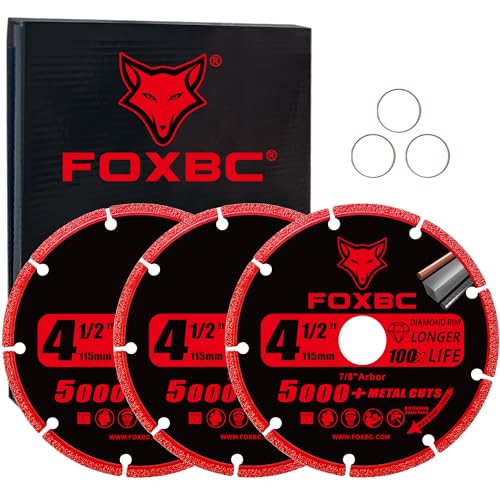
FOXBC 4-1/2 Inch Diamond Cutting Wheel (3 Pack)

FOXBC 4-1/2 Inch Tile Glass Cutting Disc (3 Pack)

BLUEROCK 2.5 Inch Pro Diamond Wet Core Drill Bit

DRILKING 4-1/2 Inch Tile Cutter Diamond Saw Blade (3 Pack)
What Each Pick Brings To The Table
The Brevetti Montolit Masterpiuma scoring wheel is a small but consequential upgrade for anyone who already owns a Montilot-family manual tile cutter. The titanium cutting wheel sits at the business end of the snap cutter, and it’s what actually scratches the glaze before the bar snaps the tile. Compared to the abrasive discs that dominate the rest of this list, this is a fundamentally different tool: no motor, no dust cloud, no grinder required. You push the carriage, you hear a clean tick, and you snap the tile along the line.
For tile layers running several rooms of ceramic or porcelain a week, a fresh wheel resets the cutting feel of a manual snap cutter and prevents the wandering score that ruins expensive material.
What Works In Its Favor
- Titanium wheel holds a clean scoring edge much longer than a standard carbide wheel, so the score line stays crisp across a full day’s work.
- Drop-in replacement on Masterpiuma-family cutters means no retooling, no adapter, no second cutter to store.
- Manual scoring produces very little airborne dust, which matters in finished homes where a grinder is impractical.
- You get repeatable straight cuts on ceramic and most porcelain without power, noise, or extension cords.
Things To Consider
- It’s a replacement wheel, not a complete cutter, so you need a compatible Montolit rail cutter to use it.
- Thick porcelain and hard stone eventually challenge any manual scoring wheel; heavy users may still need the angle grinder picks below for those pieces.
Who It Suits Best
Tile installers and serious DIYers who already own a Masterpiuma-family manual cutter and want a long-life scoring wheel.
Skip It When
The DRILKING 4-1/2 Inch Tile Cutter Diamond Saw Blade suits homeowners without a rail cutter who need an angle-grinder-based approach instead.
FOXBC’s bulk 50-pack of 4-1/2 inch abrasive cut-off wheels is the classic metal-cutting consumable for a standard angle grinder. Each disc is a Type 1 flat cut-off wheel, 0.045 inches thick, with a 7/8 inch arbor that drops onto any common small grinder. The aluminum oxide formulation is reinforced for hand-held cutting, so the disc doesn’t shatter when you push it into a piece of rebar or sheet metal. A 50-pack exists for the people who blow through a disc every few cuts and don’t want to make a special trip.
You may find these discs feel almost disposable by design, but that is exactly the point: cheap, predictable, and available in volume for fabrication shops and renovation crews.
Key Advantages
- Bulk packaging keeps the per-disc cost low, so consumable cost per cut stays manageable on long jobs.
- The 7/8 inch arbor and 0.045 inch thickness fit the vast majority of 4-1/2 inch angle grinders with no adapter.
- Thin kerf (the width of material removed by the cut) cuts faster and removes less metal than a thicker disc, helpful on stainless sheet where heat matters.
- Aluminum oxide handles steel, stainless, and cast iron without specialty diamond tooling.
Worth Noting
- These are purpose-built for metal, not tile or stone, so reaching for them on porcelain is a mismatch.
- Abrasive discs wear down and shrink with use, and owners commonly report the disc thinning as the main signal that it’s time to swap.
- Dry cutting throws a lot of sparks and fine dust, so a respirator and eye protection are not optional.
At A Glance
Made For
Metalworkers, fabricators, and renovation crews cutting steel, stainless, or angle iron on a regular basis.
Look Elsewhere When
The FOXBC 4-1/2 Inch Indestructible Multi-Material Cut-Off Disc is a better fit when your day mixes tile, stone, and metal rather than pure metal work.
The ONEGOTOOL indestructible disc is built for the “I don’t know what I’m going to cut next” day. The body is a one-piece manganese steel construction, so it can swing from a piece of rebar to a porcelain tile to a stone slab without you stopping to change blades. For a kitchen remodel where you might be trimming a metal bracket one minute and a backsplash tile the next, that flexibility is the whole appeal. The 4-1/2 inch diameter and 7/8 inch arbor match the standard small grinder.
Renovation crews juggling a grab bag of materials generally prefer one capable disc over a bag of specialty wheels, and this design leans into that workflow.
Features That Help
- One-piece manganese steel body holds up to the side-loading and varied material types you hit on a real job.
- You can move between metal, ceramic tile, stone, and plastic without swapping the disc, which speeds up mixed-material tasks.
- The 4-1/2 inch size and standard 7/8 inch arbor mean it lands on most angle grinders without an adapter.
Trade Offs
- Cutting porcelain cleanly often takes more pressure and patience than a purpose-built diamond blade like the FOXBC 4-1/2 inch Tile Cutter Diamond Saw Blades below.
- Three-pack pricing assumes you need backup; if you only have a one-off project, the volume doesn’t pay off.
Best Suited To
DIYers and remodelers who want one disc on the grinder for whatever material the next step throws at them.
Consider Something Else When
The DRILKING 4-1/2 Inch Tile Cutter Diamond Saw Blade suits tile-heavy work because its vacuum-brazed rim is built specifically for ceramic and stone.
FOXBC’s tile cutter diamond blade is a genuine two-in-one: the diamond-grit rim handles cutting, and the same disc can be flipped or repositioned to grind an edge. That dual purpose is unusual at the 4-1/2 inch size, where most blades do only one job. The ultra-thin rim is designed to minimize chip-out on porcelain and ceramic, which is the main reason tile installers reach for diamond over abrasive in the first place.
For a bathroom remodel where you’re cutting a curve out of one tile and then easing an edge on the next, the cut-and-grind design cuts the number of disc swaps in half.
Where It Excels
- Ultra-thin diamond rim slices porcelain and ceramic with less chipping than a standard abrasive disc.
- Doubles as a grinding disc, so you can shape and smooth an edge without swapping to a separate wheel.
- The diamond grit rim lasts substantially longer than bonded abrasive discs in similar service.
- Works for both dry and wet cutting, depending on the dust control setup you have.
Room For Improvement
- Diamond blades cost more per disc than the abrasive 50-pack, so heavy users go through them slower but spend more up front.
- Wet cutting extends life and reduces dust but requires a water source or spray bottle, which not every job site accommodates.
Feature Snapshot
Who Will Love This
Tile installers and remodelers who want a single disc to both cut and edge porcelain or ceramic cleanly.
Not Your Match When
The FOXBC 4-1/2 Inch Diamond Cutting Wheel is a better fit when most of your cutting is on rebar and metal rather than tile.
The FOXBC indestructible multi-material disc is the other end of the “I want one disc that does it all” idea, this time leaning toward the diamond-grit side. The 7/8 inch arbor with a 5/8 inch bushing opens up compatibility with grinders that take the smaller spindle, and the dry/wet cutting capability means you can work indoors with water suppression or outside without it. The list of approved materials is long: wood, metal, plastic, cement, ceramic, stone, tile, granite, marble, slate, and glass.
The honest read is that versatility comes with a small trade-off in peak performance on any single material, but the convenience is hard to argue with on a job where materials keep changing.
Notable Upsides
- Material range covers almost every common renovation substrate, so the disc stays on the grinder through multiple phases of a project.
- The included 5/8 inch bushing broadens grinder compatibility beyond the standard 7/8 inch spindle.
- Dry and wet cutting modes let you match the work to indoor or outdoor conditions.
Points To Keep In Mind
- The diamond grit that handles stone and tile also costs more per disc than abrasive wheels, so the three-pack adds up faster than a metal-only 50-pack.
- Specialty blades still cut faster and cleaner on a single demanding material, so heavy tile or heavy metal jobs benefit from a purpose-built wheel.
The Right Fit
Contractors and DIYers tackling renovation work that hops between wood, tile, metal, and masonry in a single day.
Reach For A Different Pick When
The FOXBC 4-1/2 Inch Cut-Off Wheel 50-pack is the better play for high-volume pure metal cutting on a fab shop budget.
The FOXBC diamond cutting wheel takes the diamond-rim idea and aims it at metal: rebar, stainless steel, angle iron, cast iron, aluminum, and various pipe and sheet stock. An electro-plating process distributes the diamond abrasive evenly along the cutting edge, and the result is a wheel that holds its shape and cut quality far longer than a bonded abrasive disc. For structural and decorative metalwork where downtime costs money, that long life matters more than the per-disc price.
For someone rebuilding a deck frame or trimming steel studs, you can stay on the same wheel through hundreds of cuts without the slow-down that signals an abrasive disc is wearing out.
Positive Takeaways
- Electro-plated diamond edge delivers a substantially longer cutting life than a standard bonded cut-off disc on hard metals.
- Cuts cleanly through rebar and stainless steel, the two materials that punish ordinary abrasive wheels.
- Standard 7/8 inch arbor fits the typical 4-1/2 inch grinder without adapters.
Small Caveats
- The premium over an abrasive 50-pack only pays off when you actually use the long life; one-off metal jobs do not justify the spend.
- Dry cutting is the default here, so expect sparks and a hot work area unless you set up cooling.
Perfect Match For
Metal fabricators, ironworkers, and serious DIYers cutting rebar, stainless, or angle iron on a regular basis.
Swap It Out When
The FOXBC 4-1/2 Inch Cut-Off Wheel 50-pack is a better match for low-budget, high-volume metal trimming where diamond life is overkill.
The FOXBC tile and glass cutting disc is the most material-flexible blade in this lineup, and the one most likely to come out for craft and detail work. The approved material list is unusually broad: tile, glass, wine bottle, crystal, masonry, concrete, rebar, plastic, marble, stone, slate, cement, and metal. The diamond rim is paired with a 4/5 inch bushing in addition to the 7/8 inch arbor, so it fits a wider range of grinder spindles than most competitors.
For mosaic artists, glass tile installers, and the homeowner cutting a custom opening in a wine bottle for a craft project, this disc lives in a different category than the pure metal or pure tile wheels above.
Everyday Perks
- Material range is the widest in the lineup, covering everything from glass and crystal to concrete and rebar.
- Both 7/8 inch and 4/5 inch bushings ship in the box, so compatibility headaches are minimal.
- 13,280 max RPM matches the operating envelope of standard small angle grinders.
A Few Limitations
- Cutting glass and crystal demands a light touch and steady hand; aggressive feed pressure cracks the workpiece before the blade does its job.
- Specialty materials like crystal and wine bottles are not everyday work, so the disc sits on a shelf for many owners between uses.
Who Should Grab It
Crafters, mosaic artists, and detail-oriented tile installers who regularly cut glass, crystal, or unusual materials.
A Better Fit Elsewhere
The FOXBC 4-1/2 inch Tile Cutter Diamond Saw Blades suit pure porcelain and ceramic jobs where the material list is narrower and the cut quality is the priority.
The BLUEROCK 2.5 inch wet core drill bit handles a completely different cutting job than the discs above: drilling round penetrations through concrete, rebar-reinforced concrete, brick, block, masonry, and asphalt. A wet core bit uses water at the cutting edge to cool the diamond segments and carry away slurry, which is what makes a clean 2.5 inch hole through a foundation wall possible. The 1-1/4 inch thread is the industry standard for core drills, including BLUEROCK’s own Z1 rig.
Plumbers running new drain lines and electricians pulling wire through concrete walls will recognize this as the right tool for a job that an angle grinder simply cannot do.
Good Reasons To Consider
- Wet diamond coring produces a clean, round hole that does not need patching the way an irregular grinder cut would.
- 2.5 inch diameter is a common size for plumbing drains and conduit, so the bit fits a lot of real-world service scenarios.
- Standard 1-1/4 inch thread matches the most common core drill rigs, including the BLUEROCK Z1.
- Approximately 14.5 inches of inside barrel depth lets you pass through standard foundation walls in a single pass.
Honest Caveats
- Wet coring requires a water supply and slurry management, so it is not a one-grinder-in-the-trunk solution.
- The 2.5 inch size and 1-1/4 inch thread means you need a dedicated core drill; a regular hammer drill will not drive this bit safely.
Quick Facts
Right Fit For
Plumbers, electricians, and contractors who need clean round holes through concrete, brick, or asphalt on a real job site.
Where A Sibling Pick Shines
The DRILKING 4-1/2 Inch Tile Cutter Diamond Saw Blade is the right tool for cutting tile faces rather than coring through masonry walls.
The DRILKING tile cutter blade is the entry point for homeowners meeting porcelain and granite for the first time. The vacuum-brazed diamond grit rim is the part that does the work, and “vacuum-brazed” means the diamonds are fused to the steel core with a metal bond rather than just glued or coated. That construction holds sharpness across long cuts and resists shedding when the blade gets hot. A solid steel core keeps vibration down, and the porous rim design vents heat, noise, and dust, which matters when you’re cutting in a finished room.
For a first bathroom or kitchen tile project, this blade makes the grinder behave more like a precision tool than a rough cutter.
Real-World Strengths
- Vacuum-brazed diamond rim stays sharp across extended use on hard porcelain and granite.
- Solid steel core reduces vibration, which improves cut accuracy and lowers hand fatigue.
- Porous rim design vents heat and dust, so the work environment stays cooler and quieter than a sealed-disc alternative.
- Three-pack gives a beginner a backup blade for the inevitable learning-cut mistakes.
Worth Noting
- Vacuum-brazed rims cost more than basic bonded discs, so the up-front price is higher than a budget abrasive wheel.
- Porcelain and granite still demand a controlled, steady feed; pushing too fast chips the tile regardless of blade quality.
Whose Shelf It Belongs On
First-time tile DIYers and homeowners who want a forgiving blade for their first porcelain or granite project.
Look Elsewhere When
The FOXBC 4-1/2 inch Tile Cutter Diamond Saw Blades suit users who also want a grinding surface and prefer a thinner cut profile.
What To Weigh Before Choosing Tile Cutters
The right cutter depends on the material and the shape of the cut. Manual snap cutters use a small scoring wheel, traditionally carbide and increasingly titanium, to draw a line across the glaze and then snap the tile along that line. They are quiet, dust-free, and ideal for straight cuts in ceramic and most porcelain. Angle grinder discs, on the other hand, are the right tool for curves, notches, and small cutouts, and they come in two families: thin abrasive wheels for metal and diamond-rimmed wheels for tile, stone, and glass.
Matching the disc to the material matters. A standard abrasive cut-off wheel that handles rebar all day will chip porcelain the first time you press it against a glazed edge. A diamond blade built for porcelain will glaze over and refuse to cut if you push it into stainless steel. The safe approach is to keep a purpose-built disc for each material you actually use, even if the multi-material options on this list are useful as a fallback.
Core drilling is its own category. Cutting a 2 inch hole for a shower valve is not a grinder job; it calls for a wet diamond core bit on a dedicated core drill, with water at the cutting edge to control heat and slurry. If your project includes any plumbing or electrical penetrations through concrete, brick, or stone, plan on renting or buying that tool separately from whatever angle grinder discs you choose.
For most homeowners doing a single bathroom, a 4-1/2 inch angle grinder with a quality diamond tile blade covers the bulk of the work. Add a manual snap cutter if the project involves long straight cuts across a lot of full-size tiles.
Key Considerations Across These Picks
Mistakes Worth Dodging
The most common slip-up in this category is grabbing the wrong disc for the material at hand. Abrasive cut-off wheels are inexpensive, which makes them tempting to use on everything, but the glaze and edge chip on porcelain will cost more in ruined tile than any savings on the wheel. Another frequent error is ignoring arbor size: a 7/8 inch spindle is standard, but some grinders use a 5/8 inch spindle, and the wrong fit is a safety issue, not just an inconvenience.
When Paying More Pays Off
Diamond-rimmed blades cost more per disc than bonded abrasive wheels, and the premium is real money. The trade shows up in lifespan: a quality diamond blade can outlast dozens of abrasive discs on tile and stone, which means lower cost per cut over time and far fewer disc swaps mid-project. The upgrade is worth it for anyone cutting tile or stone regularly, less so for someone trimming a single piece of metal on a one-off basis.
Frequently Asked Questions
What is the difference between a manual tile cutter and an angle grinder blade?
A manual tile cutter scores and snaps tile along a straight line using a small wheel and a lever bar, producing very little dust. An angle grinder blade is a powered disc that cuts curves, notches, and small openings, and it generates dust and noise in the process.
Can a 4-1/2 inch angle grinder cut porcelain tile?
Yes, with a diamond-rimmed blade designed for porcelain and ceramic. Standard abrasive cut-off wheels chip the glaze and wear out quickly on hard porcelain.
Do I need water when cutting tile with a diamond blade?
Water is not required for every diamond blade, but wet cutting extends blade life, reduces airborne dust, and lowers the risk of cracking from heat. Dry cutting is acceptable with blades rated for it, especially for short cuts in well-ventilated spaces.
What is the right disc for cutting rebar?
A diamond-plated cut-off wheel or a reinforced abrasive wheel rated for metal both handle rebar. Diamond lasts longer per cut; abrasive costs less up front and suits lower-volume work.
How big a hole can a 4-1/2 inch angle grinder cut?
A 4-1/2 inch blade has a cutting depth of roughly 1 to 1.25 inches, which covers most floor and wall tiles in a single pass. For larger round penetrations through concrete, brick, or stone, a wet core drill with a 2 to 4 inch bit is the proper tool.




