


Sheet metal doesn’t forgive a dull blade or sloppy leverage. HVAC installers, gutter pros, hobbyists, and weekend DIYers all hit the same wall: a snip that crimps instead of cuts, slips off the line, or simply can’t push through the gauge you actually work in. The right pair changes a frustrating afternoon into a clean, predictable job.
This shortlist focuses on the choices that hold up under real work, from bulldog-nose straight cutters built for thick seams to lightweight aluminum snips that won’t fight your hand on a long day. You’ll see a mix of straight-cut, offset, and specialty tools, each matched to a specific kind of job.
How The Shortlist Stacks Up

HURRICANE Bulldog Aviation Tin Snips 9.5″ Straight Cut
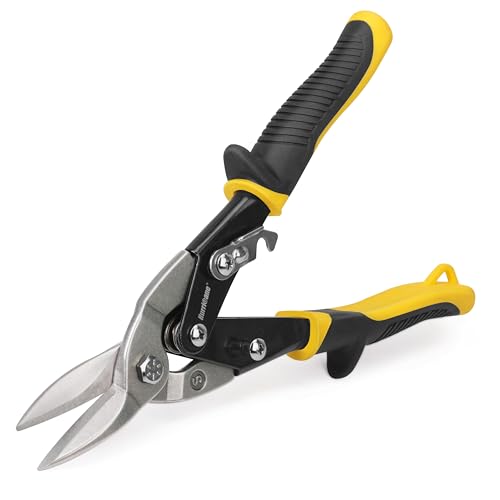
HURRICANE 10 Inch Aviation Tin Snips Straight Cut

MIDWEST Bulldog Aviation Tin Snip MWT-6716B

vomex 10-Inch Heavy Duty Aviation Tin Snips
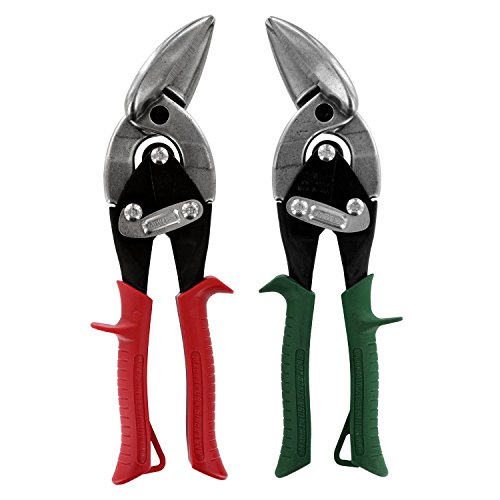
Midwest MWT-6510C Offset Aviation Snips Set
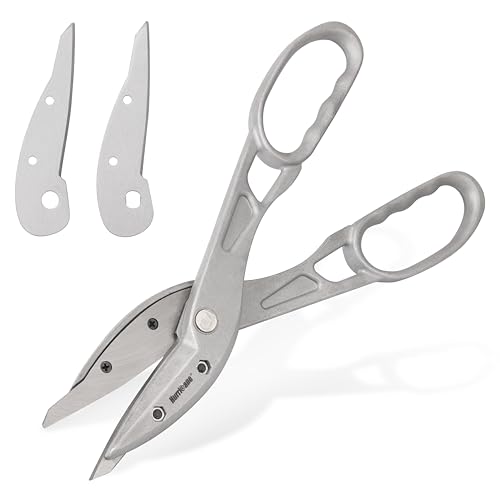
HURRICANE 12 Inch Aluminum Tin Snips

HURRICANE 10 Inch CR-MO Aviation Tin Snips

HURRICANE Sheet Metal V Notcher
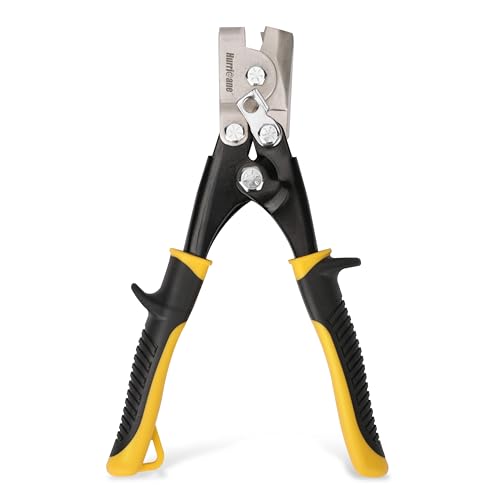
HURRICANE Snap Lock Punch Tool 3/8″
Taking A Closer Look At The Options
Bulldog-nose snips earn their name from the short, stout jaw that drives force right to the tip. That geometry is the whole point of the HURRICANE 9.5-inch model: it concentrates leverage where the metal is thickest, so the cut finishes cleanly through seam after seam without the blade flexing open.
For HVAC work and metal fab where you’re staring at stacked layers and odd notches, the compact nose is the difference between wiggling a cut and finishing it. You’ll feel the trade-off in tight inside curves, where the stubby head asks for shorter bites, but that’s the bargain for raw cutting authority.
Real-World Strengths
- Shortened jaws push power to the cut line, ideal for notching thicker stock
- Stamped from 55# carbon steel with induction-hardened serrations for durable biting edges
- Rated for 18-gauge cold rolled steel and 22-gauge stainless under normal use
- Compact profile helps when working inside duct corners and tight panels
Points To Keep In Mind
- The stub nose takes short cuts, so sweeping curves demand more bites than a long aviation style
- Handles run small for users with larger hands on all-day jobs
Right Fit For
Tradespeople and serious DIYers cutting thick seams, ductwork, and heavier sheet metal where straight-line authority matters more than curve work.
Swap It Out When
Reach for the HURRICANE 10 Inch CR-MO Aviation Tin Snips instead, since their longer head and refined alloy hold up better for long, continuous straight runs.
The 10-inch HURRICANE sits in the friendly middle of the lineup. It uses CR-V (chromium-vanadium) steel, a tougher-than-basic alloy that holds an edge through weekend projects, and the Tyregrip handle is the kind of small comfort you appreciate after twenty minutes of repetitive cuts.
Compared to the bulldog above, this one has a longer, more traditional aviation jaw, which trades a bit of tip authority for smoother straight runs and gentle curves. It’s the snip most homeowners actually need: light enough not to fight you, rated for typical thin-gauge work, and forgiving on aluminum flashing or vinyl patches.
Key Advantages
- CR-V blades balance toughness and affordability for general use
- Non-slip Tyregrip handle stays secure even with oily shop hands
- Cuts up to 20-gauge cold rolled steel and 22-gauge stainless under steady use
- Compact overall weight helps in overhead gutter or fascia work
Trade Offs To Consider
- Not built for tight circles or sharp inside angles
- Lighter blades mean more frequent touch-ups if you’re pushing gauge limits daily
Feature Snapshot
Who Should Grab It
Homeowners and casual DIYers who need a reliable general-purpose pair for gutter patches, duct tweaks, and thin sheet metal without spending pro-tier money.
Look Elsewhere When
The MIDWEST Bulldog Aviation Tin Snip MWT-6716B is the better match for users cutting thicker stock all day, where forged toughness beats the friendly CR-V compromise.
There’s a reason MIDWEST has a near-cult following in metal shops. The MWT-6716B uses hot drop-forged blades, where the steel is shaped under extreme heat and pressure, producing a denser grain structure than stamped stock. The 7/8-inch cut length is short, but it’s paired with serious cutting capacity: 16-gauge cold rolled and 18-gauge stainless, which is a real step up from the typical 18/22 DIY rating.
This is a tool for the person who wants one good pair, not a string of replacements. It also meets the ASME B107.16 standard, a published benchmark for hand tool performance, which tells you the rating is independently verifiable rather than just a marketing claim.
The Upside
- Hot drop-forged blades hold their edge through punishing shop use
- Higher 16-gauge CR and 18-gauge SS capacity covers heavier stock the others skip
- Made in the USA, with consistent QC that imports can struggle to match
- ASME B107.16 rated for verified performance thresholds
Small Caveats
- Heavier in the hand than the HURRICANE 10-inch, and you’ll feel it on long overhead runs
- Short 7/8-inch cut length means more bites per pass on longer trim cuts
Whose Shelf It Belongs On
Sheet metal tradesmen, fabrication shops, and serious DIYers who want a once-and-done pair that survives daily cutting of heavier stock.
Another Choice May Suit
For lighter overhead or vinyl siding work, the HURRICANE 12 Inch Aluminum Tin Snips will feel much easier on the wrist.
The vomex 10-inch lives in the gap between the basic HURRICANE 10-inch and the heavier MIDWEST. It pairs chrome-vanadium steel with serrated jaws, and the marketing clearly aims at the user who cuts more than just sheet metal: copper, aluminum, plastic sheet, thick cardboard, and even chicken wire show up in the spec list.
That breadth makes it a strong garage pick. The 18-gauge cold rolled and 22-gauge stainless ratings are competitive with the HURRICANE 10-inch, and the serrations help when materials get slippery. Where the HURRICANE Bulldog above focuses on thick seams, this one wants to be your “everything” pair.
Strengths Worth Knowing
- CR-V steel with serrated edges for steady grip on slick materials
- Cuts up to 18-gauge cold rolled and 22-gauge stainless, matching mid-tier rivals
- Handles non-metal stock like plastic and hardware cloth cleanly
- Comfortable 10-inch length for both shop and yard use
Worth Bearing In Mind
- Serrations leave a slightly rougher edge on cosmetic cuts, which matters on visible trim
- Not a US-made tool, so long-term blade replacement depends on the brand’s parts program
Made For
Garage tinkerers, farmers, and homeowners who hop between sheet metal, wire, and plastic, and want one snip to cover the rotation.
Reach For A Different Pick When
Daily fabrication pros will get more from the MIDWEST Bulldog Aviation Tin Snip MWT-6716B, since its forged build outlasts general-purpose CR-V in shop conditions.
Offset snips look unusual the first time you pick them up: the blades angle upward from the handles, which keeps your knuckles off the work and gives a clearer sightline for following a scribed curve. This Midwest set ships with both a left-cut and a right-cut model, covering the two directions that matter when you’re trimming circles, saddles, or duct collars.
The forged molybdenum-alloy blades (a steel blended with molybdenum for added toughness) are hot drop-forged and austemper heat-treated, which is a two-stage tempering process that improves toughness and reduces brittleness. The “Pinch-Thru-Point” geometry is the real flex here, because it cuts all the way to the tip instead of leaving a small uncut nub that you have to chase with a utility knife.
A Favorable Mix
- Pair covers both curve directions, replacing the need to buy singles over time
- 1-1/4 inch cut length is generous, so each bite covers more material
- 18-gauge CR and 22-gauge SS capacity fits most pro sheet work
- Molybdenum alloy blades hold up to repeated edge stress
Honest Caveats
- Offset geometry is awkward for first-time users until they adjust their stance
- Two snips mean a higher initial outlay than a single straight-cut model
Key Specs
Best Suited To
Tradesmen who cut curves as often as straight lines and want a left/right pair that doesn’t argue about which one to grab first.
Not Your Match When
For almost-straight heavy seam work, the HURRICANE Bulldog 9.5-inch straight cut pulls more weight per bite.
The headline feature here is the body material: aluminum, not steel. Swap the typical forged jaws for an aluminum shell and the whole tool drops a meaningful amount of weight, which your forearm appreciates on a long siding job or a sweaty afternoon trimming ductwork on a ladder.
The blades are still high-carbon steel, so the cutting edge itself doesn’t suffer, and the replaceable blade design is a thoughtful touch. You won’t need to toss the snip when an edge dulls, you swap the working edge instead. Compared to the heavier MIDWEST above, this is the “I have a whole house to trim” choice.
What Works In Its Favor
- Aluminum body cuts fatigue on extended or overhead work
- High-carbon steel cutting edges handle tin, copper, aluminum, and vinyl siding
- Replaceable blade design extends the tool’s working life
- Larger handles improve control for users with bigger hands
Less-Strong Areas
- Aluminum shell is more vulnerable to drops than a steel body
- Capacity ratings lean toward lighter gauges, so heavy stock isn’t its territory
Right Fit For
Roofers, siding installers, and homeowners working overhead for hours who care more about arm comfort than ultimate cutting power.
Where A Sibling Pick Shines
For thicker steel at a shop bench, the MIDWEST Bulldog Aviation Tin Snip MWT-6716B is the tougher, more punishing tool.
CR-MO, short for chrome-molybdenum, is a step up from the more common CR-V. The added molybdenum tightens the grain structure and improves hardness, which translates into an edge that stays sharp longer under the same workload. The HURRICANE 10-inch CR-MO model also brings a compound-leverage linkage, an internal mechanism that multiplies hand force so each squeeze does more cutting work, and a safety lock to keep the jaws shut in a tool drawer.
Capacity lands at 18-gauge cold rolled and 22-gauge stainless, identical on paper to the cheaper HURRICANE 10-inch, but the real-world difference shows up in how long the blades keep biting between sharpenings. Where the vomex above aims at material variety, this one focuses on staying sharper, longer.
Everyday Perks
- CR-MO alloy edges resist dulling better than standard CR-V
- Compound leverage reduces hand fatigue on long cutting sessions
- Micro-serrated jaws grip slick stock without slipping sideways
- Built-in safety lock prevents accidental opening in storage
Some Limits To Know
- Premium steel raises the entry cost over basic CR-V models
- Heavier blade stack makes the snip feel more substantial than lighter rivals
Feature Card
Who Will Love This
Regular DIYers and pros who want the HURRICANE 10-inch form with noticeably better edge life and a built-in safety lock.
Consider Something Else When
If the work is mostly thick seam cutting, the HURRICANE Bulldog 9.5-inch concentrates leverage at the tip more effectively for that specific task.
A V-notcher does one thing, and it does it on purpose: it punches a clean 30-degree V-shaped relief cut into sheet metal so you can fold a corner or hem a duct without cracking the metal. The HURRICANE unit cuts up to 13/16 inch (21mm) deep, which is plenty for standard ductwork and gutter ends, and it’s rated for 24-gauge mild steel and 26-gauge stainless.
Compared to the aviation snips above, this isn’t a general cutter. It pairs with a straight snip: you cut the bulk of the line, then use the notcher to relieve stress points before bending. The manual safety latch is a small but important detail for a tool that lives in a busy pouch.
What It Does Well
- Creates a consistent 30-degree V-notch up to 13/16″ deep for clean bends
- Handles 24-gauge mild and 26-gauge stainless stock under normal use
- Manual safety lock keeps jaws closed in storage
- Pairs naturally with the HURRICANE straight-cut snips on duct projects
Where It May Fall Short
- Limited to 24-gauge mild steel; heavier stock needs a powered notcher
- Single-purpose tool, so it complements rather than replaces general snips
Who Should Grab It
HVAC installers, gutter fitters, and roofers who regularly bend corners and need uniform relief notches before folding.
A Better Fit Elsewhere
For trimming straight runs without bending, the HURRICANE 10 Inch CR-MO Aviation Tin Snips cover that everyday work more efficiently.
Snap-lock punches aren’t snips, but they belong in the same metalworking kit. The HURRICANE 3/8-inch model creates a wide, uniform crimp impression that locks two pieces of sheet metal together at a seam, which is how most residential HVAC ducts and aluminum gutter caps actually get joined. The 3/8-inch impression is a common size that matches standard Pittsburgh-lock fittings, a widely used duct seam profile in residential HVAC.
It arrives fully assembled, no setup, no missing springs, and the compound-leverage linkage keeps the squeeze manageable on longer runs. Stack it with the V-notcher above and a straight-cut snip, and you have a portable sheet metal kit for most field repair jobs.
A Few Strong Suits
- 3/8-inch impression fits standard residential duct and gutter profiles
- Compound leverage reduces hand strain during repetitive crimping
- Arrives pre-assembled, so it’s usable the moment it lands
- Works on aluminum, vinyl siding, and HVAC sheet alike
Practical Considerations
- Single-size impression, so other crimp patterns need a different tool
- Best results require clean stock; debris under the die distorts the crimp
Quick Facts
Right Fit For
DIYers and pros who assemble or repair ductwork, gutter caps, and snap-lock seams and need a reliable, ready-to-use crimp tool.
Skip It When
For pure cutting tasks without seam assembly, the HURRICANE 10 Inch CR-MO Aviation Tin Snips are the better daily driver.
What Matters Most Before Choosing Tin Snips
Match The Tool To The Cut Direction
Aviation snips come in three flavors: straight, left-cut, and right-cut. The color-coding system is worth learning, because grabbing the wrong snip forces you to twist your wrist, which is exactly how a clean cut turns jagged. A straight-cut pair like the HURRICANE 10-inch handles the majority of duct and trim work. Curves and circles need an offset left/right set like the Midwest MWT-6510C, which ships both directions in one box.
Read The Gauge Rating, Not The Marketing
Capacity numbers are the most important spec on the page. Cold rolled and stainless ratings tell you the maximum thickness the snip can punch through under normal hand pressure. A typical DIY pair handles 18-gauge cold rolled and 22-gauge stainless, while shop-grade tools like the MIDWEST MWT-6716B push to 16-gauge CR. The mismatch between your material and the tool’s rating is the usual reason a “sharp” snip suddenly stops cutting.
Consider The Whole Workday
A snip that feels great for ten minutes can wreck a forearm after two hours. Body material matters here: the HURRICANE 12-inch aluminum model trades some toughness for significant weight savings, which pays off on overhead siding. Heavier forged tools like the MIDWEST Bulldog feel planted and authoritative, but they tax your wrist on long jobs. Match the tool’s heft to the length of your typical session.
Plan Beyond The Cut
Cuts are only part of a sheet metal job. Bends need relief notches, which is what the HURRICANE V Notcher provides, and seams need crimps, which is the HURRANE Snap Lock Punch’s job. A complete kit pairs a straight snip with at least one specialty tool, rather than expecting one pair of snips to do everything from ductwork to gutter assembly.
Practical Notes Before You Buy
Pitfalls Shoppers Hit
The most common error is buying one snip and expecting it to handle curves, thick stock, and long straight runs equally well. It can’t. A straight-cut aviation snip is a specialist in straight lines, and a bulldog-nose snip is a specialist in thick, short bites. Trying to force either into the wrong job is how blades chip and hands get sore.
Another trap is ignoring the cutting direction. Color-coded handles exist for a reason: green typically means right-cut, red means left-cut, and yellow means straight. Grabbing the wrong one mid-project is the fastest way to ruin a clean line.
When Paying More Pays Off
Stepping up to a forged blade (as in the MIDWEST MWT-6716B) or a CR-MO alloy (as in the HURRICANE 10-inch CR-MO) is the upgrade that pays off over years, not weeks. The edge stays sharper longer, the cut feels more controlled, and the tool survives drops and shop abuse better than stamped CR-V. The trade-off is upfront cost, but for anyone cutting more than a few hours a month, the longer service life balances the math.
Frequently Asked Questions
What’s The Difference Between Straight, Left, And Right Cut Tin Snips?
The blade direction determines which way the metal curls as you cut. Straight-cut snips leave the waste on either side, while left and right versions push the waste to one specific side. For long straight lines, a straight cut is the everyday choice. For circles and curves, you need the matching directional snip, otherwise the cut drifts and the metal deforms.
What Gauge Can A Standard Pair Of Tin Snips Handle?
Most general-purpose aviation snips max out at 18-gauge cold rolled steel and 22-gauge stainless. Heavier shop tools push to 16-gauge cold rolled. Thicker plate or hardened steel is outside the design range and typically requires powered shear equipment.
Are Offset Snips Worth The Extra Cost?
Offset snips angle the blades upward, which keeps your knuckles off the work and gives a clearer sightline for following curves. Anyone cutting circles, saddles, or tight transitions regularly finds the offset geometry worth the price. For pure straight-line cutting, the angle adds no real benefit.
How Do I Keep Tin Snips Sharp Longer?
Avoid cutting hardened wire, avoid cutting beyond the rated gauge, and wipe the blades after use to remove metal dust and moisture. Storing the snips closed, ideally with a safety lock like the one on the HURRICANE CR-MO model, protects the edge from accidental contact with other tools.
Can I Cut Stainless Steel With Regular Tin Snips?
Up to a point. Most aviation snips handle 22-gauge stainless or thinner, which covers most residential trim and patch work. Thicker stainless calls for a more capable tool or a powered shear, because regular snips will crush rather than cut the harder material.




