


A good tool belt quietly runs your day. It decides whether you reach for the chisel in two seconds or make the fourth trip to the truck, and the difference shows up fast on a trim job or a full framing day. The right rig should sit comfortably, hold what you actually carry, and stay out of your way. This roundup covers nine different setups that cover that range, from bare-bones web belts to full-framing harnesses, so you can match the rig to your trade.
Your Options, Compared

Occidental Leather Adjust-to-Fit Finisher Tool Belt Set

LAUTUS Top Grain Leather Electrician Tool Pouch

LAUTUS 3-Pocket Leather Tool Holder

WELKINLAND 39-Pocket Tool Belt With Suspenders
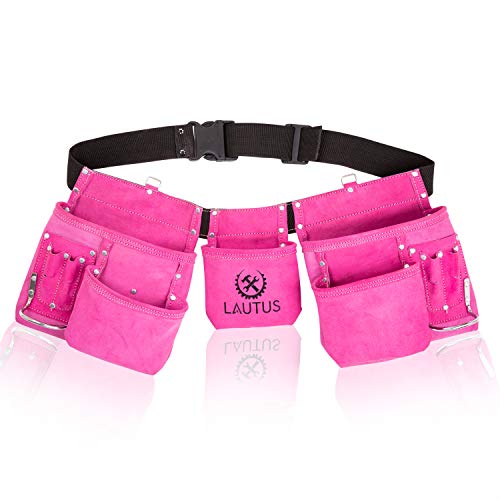
LAUTUS Pink Leather Tool Belt (11 Pockets)

LAUTUS White Oil-Tanned Tool Pouch (10 Pockets)
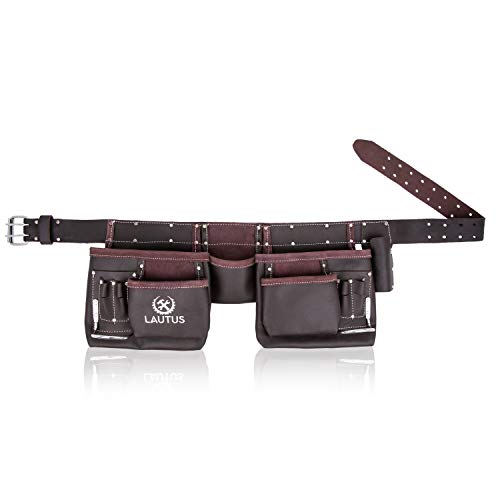
LAUTUS Oil-Tanned Leather Tool Belt
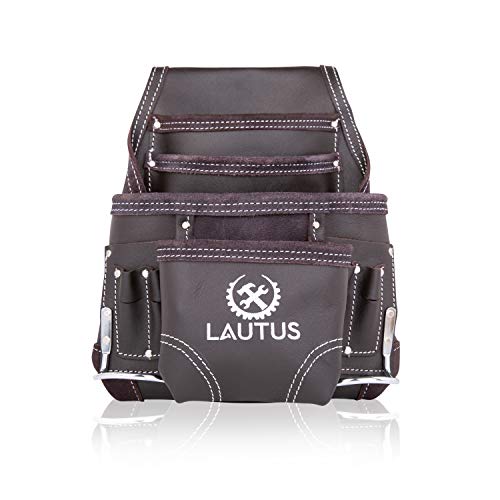
LAUTUS Dark Brown Oil-Tanned Tool Pouch

Klein Tools 5425M Quick-Release Work Belt
A Closer Look At Each Pick
Where the Occidental Adjust-to-Fit finisher shines is its sizing range, stretching from a small waist up to XL on the same belt, so a shop can hand it to whoever is on the trim that morning. The set pairs a compact bag with 23 pockets and tool holders, shaped for finish work and lighter framing tasks where you don’t want a heavy framing rig swinging between your knees.
Compared to the LAUTUS pouches below, Occidental leans on a hand-built leather construction out of California rather than imported saddle leather, and you trade some of that compact feel for higher pocket density. For trim carpenters moving between rooms on a single floor, the lighter load is a real win, and the lifetime of resizing means one belt can cover your apprenticeship through your foreman years.
The Value In It
- Adjusts from small to XL on one belt, perfect for shops that share gear
- Compact bag shape stays out of the way on ladders and tight trim runs
- 23 pockets and holders cover most finish-tool loads
- Handmade leather construction from a US workshop
Worth Noting
- Pricing sits at the top of this list and may stretch an apprentice’s budget
- Leather needs a break-in period before it sits soft against the hip
- Bag is geared more toward trim than full-shear framing days
Feature Snapshot
Right Fit For
Finish carpenters and trim specialists who want one adjustable rig that grows with their career.
Swap It Out When
You need full framing capacity, where the WELKINLAND 39-Pocket Tool Belt With Suspenders handles bigger loads better.
The LAUTUS electrician pouch trades breadth for depth, giving you five tapered pockets built from 3.5mm saddle leather. Top grain means the strongest fiber layer of the hide faces outward, so it shrugs off scrapes against metal boxes and concrete. Steel rivets and washers reinforce every stress point, which matters when a loaded pouch drops off a scissor lift at the end of a long pull.
Versus the Occidental set above, this is a single pouch with no belt included. You bring your own 2-inch belt, which is the way most electricians already work. A metal T-chain on the front gives you a clean spot for a roll of electrical tape, and a dog hook handles wrenches so your dominant hand stays free for strippers and linemans.
Strengths Worth Knowing
- 3.5mm saddle leather feels solid without needing months of break-in
- Steel rivets and washers reinforce every stress point for daily drops
- Dedicated metal T-chain keeps a roll of tape within reach
- Dog hook carries wrenches so the pouch itself stays uncluttered
Honest Caveats
- Only five pockets, so plan tool loads carefully on service trucks
- Belt is sold separately, adding to the total cost
- Thick leather adds weight before you load any tools in
Right Fit For
Electricians and low-voltage techs who already own a work belt and want a single reinforced pouch built for daily drops.
Look Elsewhere When
You carry a broader tool mix, where the LAUTUS Pink Leather Tool Belt offers eleven pockets in a similar leather build.
This is the most stripped-down option in the lineup, and that is exactly the appeal. The LAUTUS 3-pocket holder slides onto any belt up to 2 inches wide and gives you a dedicated slot for pliers, a folding rule, a screwdriver, and a knife snap. For utility line work, trim-out punch lists, or anyone who hates a swinging hip rig, it stays almost invisible until you reach for it.
You can think of this as the working complement to a heavier pouch like the LAUTUS Top Grain pouch above, or as a primary carry for service techs who move fast. The trade-off is right in the name: three pockets, and the rest of your kit lives in a bag, truck, or chest pouch. For apprentices still building out their kit, that simplicity is a feature, not a limitation.
Features That Help
- Slides onto any belt up to 2 inches wide for fast add-on carry
- Compact profile keeps you nimble on ladders and pole work
- Specific slots for pliers, rule, screwdriver, and knife snap
- Light enough for all-day wear without hip fatigue
Some Limits To Know
- Only three pockets, so it cannot replace a full pouch on framing days
- No hammer holder, which limits it on rough framing
- Smaller tool sizes fit best, larger chisels may not sit securely
Right Fit For
Lineworkers, service techs, and trim carpenters who want a single add-on holder that disappears on the hip.
Skip It When
You need a full kit on one belt, where the LAUTUS Oil-Tanned Leather Tool Belt covers more roles in a single rig.
The WELKINLAND 39-pocket set is built for the days that bury a smaller belt. The package includes two belts, two pouches, a hammer holster, four belt loops, and a suspender rig, so the load sits on your shoulders rather than just your lumbar spine. The waist belt is 4.3 inches wide with HD EVA padding, which spreads weight across the hips before the suspender takes over.
Where the Occidental finisher above stays compact, this rig is openly heavy-duty. Roofing, framing, and deck work push your tool count past what a five-pocket pouch can hold, and the suspenders pay off on long days where you climb, kneel, and crawl. You give up a clean profile in exchange for carrying everything in one trip, which on a roof usually wins.
The Case For It
- 39 pockets across two pouches cover full framing and roofing kits
- Suspender rig moves weight from hips to shoulders on long days
- 4.3-inch padded waist belt with breathable lining reduces hot spots
- Includes hammer holster and extra belt loops in the same set
Practical Considerations
- Bulk is high, so it can snag in tight interior trim work
- More components mean more places that can wear or loosen over time
- Setup is heavier on the body before you add any tools
Feature Rundown
Right Fit For
Roofers, framers, and deck builders who haul a full kit and want the suspenders to share the load.
Not Your Match When
You work interior trim, where the Occidental Adjust-to-Fit Finisher is far easier to maneuver on a ladder.
The LAUTUS pink belt is what happens when a standard oil-tanned rig gets a fresh color treatment. Eleven pockets and two steel hammer holders cover a typical carpenter or framer load, and the included 2-inch webbing belt fits most body sizes. The color is the headline feature, but the build underneath uses the same real leather and reinforced stitching as the brand’s other belts.
On a busy site with a lot of black and brown leather, the pink finish is easy to spot, which is useful if you set the belt down on a deck or in a lumber pile. Crews that want to stand out, or tradespeople who simply prefer a less conventional look, get a real working belt rather than a costume piece. The honest read is that you are paying a slight premium for the color, and the performance is right in line with the other LAUTUS rigs.
Strong Points
- Eleven pockets cover a typical carpenter’s full carry
- Two steel hammer holders handle framing and trim hammers
- High-visibility color stands out on cluttered job sites
- Real leather construction holds up under daily wear
Honest Caveats
- Pink finish shows scuffs and stains more than dark leather
- Slightly higher cost than comparable dark LAUTUS models
- Not ideal for crews with strict color or branding standards
Right Fit For
Tradespeople who want a working rig that is also easy to spot in a busy pile of lumber and gear.
Reach For A Different Pick When
You prefer a traditional finish, where the LAUTUS Dark Brown Oil-Tanned Tool Pouch delivers the same pocket count in a more conventional color.
Oil-tanned leather has a softer feel out of the box than raw saddle leather, and that is the draw of the LAUTUS white oil-tanned pouch. Ten pockets and two hammer holders cover the typical carpenter load, with room for a square, a tape, nail sets, pencils, and a utility knife. The finish absorbs scuffs without looking beat up, which matters on a belt you wear every day.
Versus the pink belt above, this version swaps the headline color for a cleaner look that hides wear. You give up the visibility edge, but gain a rig that pairs well with most work clothes. The pouch attaches to a standard 2-inch belt, so it works with what you already own or the matching LAUTUS rig below.
A Few Strong Suits
- Oil-tanned leather breaks in fast and softens within a week of wear
- Ten pockets cover a typical carpenter load plus a square and tape
- White finish hides scuffs better than dyed leather over time
- Two hammer holders handle both framing and trim hammers
Things To Weigh
- White leather can pick up dye from denim work pants at first
- No belt included, so total cost adds up with a separate rig
- Ten pockets sit between compact and full-framing capacity
Feature Card
Right Fit For
Carpenters and handymen who want a soft, fast-breaking-in pouch that pairs with an existing belt.
Not Your Match When
You want a full belt included out of the box, where the LAUTUS Oil-Tanned Leather Tool Belt ships with its own rig.
This is the full LAUTUS rig, belt and pouch together, sized to fit a wide range of waists. The oil-tanned leather construction breaks in quickly, so the belt feels less like new gear and more like a trusted tool by the second week. The pouch layout handles carpenter, framer, and electrician loads without forcing you to choose a trade focus.
Compared to the attach-only pouches above, you skip the step of buying a separate belt and matching pocket placement. For apprentices buying their first real rig, that convenience counts. The honest read is that you trade some pocket density for the all-in-one fit, and very heavy framers may outgrow the layout once their kit expands.
Bright Spots
- Full belt and pouch included, no extra shopping needed
- Oil-tanned leather softens fast and feels broken-in within days
- Multi-trade pocket layout works for carpenters, framers, and electricians
- Wide waist size range fits most adult body types
Things To Consider
- Pocket count runs lower than dedicated framing rigs
- Single-belt design is harder to expand with add-on pouches
- Oil-tanned finish can darken with sweat on hot summer days
Right Fit For
Multi-trade apprentices and handymen who want a complete, ready-to-wear leather rig on day one.
Consider Something Else When
You haul a very large framing kit, where the WELKINLAND 39-Pocket Tool Belt With Suspenders handles the heavier end of the spectrum.
The dark brown LAUTUS pouch is the value-focused take on the same oil-tanned build the brand is known for. You get ten pockets and two hammer holders, real leather construction, and a finish that hides scuffs and stains over years of use. The pouch attaches to any 2-inch belt, so it drops onto whatever rig you already wear.
Where the white oil-tanned pouch above trades color for visibility, this one leans into the classic dark leather look that matches most workwear. DIY builders and weekend remodelers who already own a decent belt can save some money by skipping the bundled version. The honest read is that you give up the matching-belt convenience, and you may need a few weeks of wear before the oil-tanned leather softens to its final shape.
Why It Works Well
- Dark brown finish hides scuffs and stains across years of use
- Ten pockets handle nails, screws, square, tape, and a utility knife
- Two hammer holders swap between framing and trim hammers
- Real oil-tanned leather at a value-focused price point
Points To Note
- Belt is sold separately, so plan for the total cost
- Oil-tanned leather is stiff out of the box and needs break-in
- Ten pockets may run tight for full framing-day tool counts
Right Fit For
Budget-focused DIYers and remodelers who already own a work belt and just need a solid leather pouch.
A Better Fit Elsewhere
You need a full rig out of the box, where the LAUTUS Oil-Tanned Leather Tool Belt ships with the belt included.
The Klein 5425M is a different category of tool belt. The cotton and polyester webbing (a tough woven fabric that handles abrasion and sweat) is mildew-resistant, which matters on humid job sites or in dusty grain work. A forged quick-release buckle lets you ditch the entire belt in a single pull, which is the whole point on ironwork or grain-elevator jobs where getting hung up is dangerous.
Versus the leather rigs above, this is a foundational belt meant to be worn over a safety harness with pouches clipped to it, not a full leather rig on its own. The medium size covers a 30 to 44-inch waist range, and the webbing holds up to sweat and weather better than leather in some cases. It is the right answer when job-site rules require a breakaway belt, and a less interesting choice for a finish carpenter who works indoors.
What Works In Its Favor
- Forged quick-release buckle enables a full belt breakaway in an emergency
- Mildew-resistant cotton-polyester webbing handles humid sites
- Medium size covers a 30 to 44-inch waist range
- Designed to be worn over a safety harness on industrial jobs
Trade-Offs To Consider
- Webbing shows wear faster than leather on rough job sites
- No built-in pockets, so you add your own pouches or holders
- Quick-release buckle takes getting used to under regular wear
Spec Overview
Right Fit For
Ironworkers and grain-elevator crews who need a breakaway belt worn over a full safety harness.
Not Your Match When
You want a leather carpenter rig, where the Occidental Leather Adjust-to-Fit Finisher is a more traditional fit.
What Matters When Buying Tool Belts For Carpenters
Sizing And Fit First
The right belt sits at the natural waist, not the hips, and you should be able to slip two fingers between the belt and your body when it is loaded. Tool belts carry 10 to 30 pounds once you load a pouch, so a too-loose belt rides down on your hips and pulls on your lower back. Adjustable rigs like the Occidental set above are forgiving for crews that share gear, and a fixed belt fits one body best.
Material Choice Changes The Feel
Leather is the classic choice for a reason, and oil-tanned leather breaks in faster than raw saddle leather, which the LAUTUS rigs across this list use. Nylon and polyester webbing handles sweat and weather differently, and the Klein 5425M is a clear example of a webbing belt built for industrial wear. The trade-off shows up over time: leather develops character and can outlast a webbing belt, while webbing dries faster after a rainstorm.
Pocket Layout Matches Your Trade
Finish carpenters carry a tape, a sharp utility knife, a small square, pencils, and a handful of nail sets, so a compact 10 to 23 pocket rig covers that. Framers and roofers add chalk lines, larger squares, and extra nail bags, which is where a 39-pocket rig with suspenders like the WELKINLAND earns its weight. Count the tools you reach for in a typical hour before picking a pocket count.
Suspenders Earn Their Keep On Heavy Days
A full framing belt can approach 30 pounds, and a basic belt puts all of that on your lumbar spine. Suspender rigs shift a chunk of that load to your shoulders, and depending on your back, that change can add hours to a comfortable workday. Interior trim carpenters often skip the suspenders for mobility, while roofers usually want them.
Key Considerations Across These Picks
Common Shopping Slip Ups
Buyers often pick a pocket count based on the number alone, then realize their hammer handle does not fit the holder. Measure your longest tool against the listed pocket depth, especially for utility knives and chisels, before you commit.
Another trap is assuming a full-rig belt fits the way a fashion belt fits. A loaded carpenter belt needs a couple of inches of adjustment room at the holes, otherwise you get one good season before the holes stretch out.
Where The Extra Money Goes
Premium leather belts like the Occidental set cost more because the leather is hand-cut, stitched, and finished in a US shop, and the steel hardware is heavier. For a working carpenter who wears a belt every day, that upgrade usually shows up as comfort over years rather than a single season of use.
Cheaper oil-tanned rigs use thinner leather, and you may find they soften too much under heavy loads after a year of daily wear. For weekend DIYers, that is rarely a problem, but full-time tradespeople usually notice within the first few months.
Frequently Asked Questions
What is the best tool belt for a beginner carpenter?
An oil-tanned leather rig with 10 to 11 pockets and an included belt is a sensible starting point, since it covers the most common tools without overcommitting. The LAUTUS Oil-Tanned Leather Tool Belt fits that profile and softens fast under daily wear.
How many pockets do I need on a carpenter tool belt?
Most finish and trim carpenters work comfortably with 10 to 23 pockets, while framers and roofers often prefer 30 or more to avoid restocking mid-shift. Match the count to the tools you actually reach for in a typical hour, not the largest number on the market.
Should I choose leather or nylon for a tool belt?
Leather develops a broken-in feel and tends to last longer under daily use, while nylon webbing dries faster and handles sweat and weather differently. Leather is the right answer for most carpenters, and webbing belts like the Klein 5425M make more sense on industrial sites with breakaway requirements.
Are suspenders worth adding to a tool belt?
Suspenders move a meaningful share of a loaded belt’s weight off your lumbar spine and onto your shoulders, which most full-time framers and roofers find worthwhile. Finish carpenters often skip the suspenders because they need a smaller rig and a free shoulder line for ladder work.
How do I maintain a leather tool belt?
A light coat of leather conditioner every few months keeps the leather from drying and cracking, and wiping off dried mud before it sets in extends the life of the stitching. Most owners find that a quick brush and an occasional conditioning is enough to keep the belt serviceable for years.




