


A framer’s tool belt is the difference between a productive day and one spent digging through a truck bed for a missing chalk line. The right setup carries your hammer, square, fasteners, and a handful of pencils without dragging at your hips or shifting every time you climb a ladder. Below, eight options cover the spectrum from full leather rigs built to outlast a career to lighter setups for trim work and one-off jobs. Each pick is matched to a specific work style, so you spend less time adjusting and more time swinging.
The Shortlist At A Glance

Occidental Leather Adjust-to-Fit Finisher Tool Belt Set
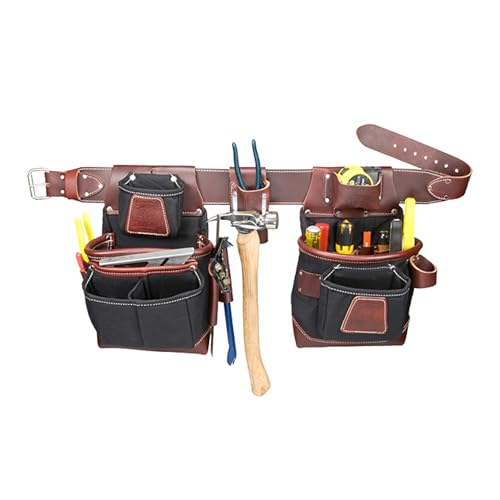
Occidental Leather FatLip Tool Bag Set X-Large
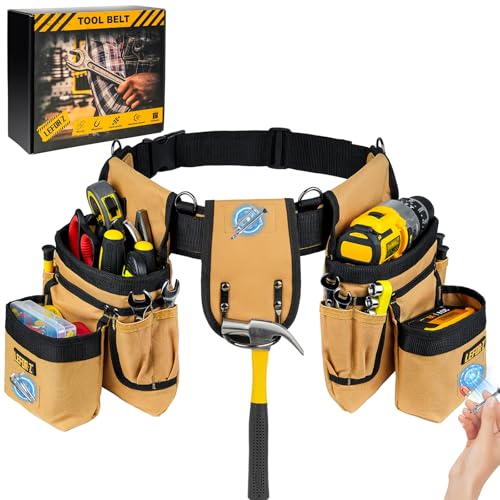
LEFOR·Z 27-Pocket Tool Belt with 4 D-Rings
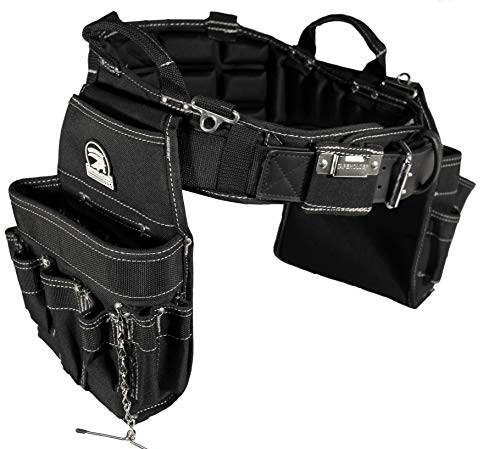
Gatorback B240 Professional Electrician Tool Belt Combo

DEWALT Professional Tool Belt Organizer with Suspenders

WELKINLAND 39-Pocket Tool Belt with Suspenders

LEFOR·Z 14-Pocket Tool Belt with Magnetic Pouch

Klein Tools 5425M Quick-Release Work Belt
What Each Pick Brings To The Table
The Adjust-to-Fit Finisher is built for framers who split time between rough and finish work and don’t want a dedicated bag for each. Occidental makes the whole set in the USA, and the adjustability means one belt can move between crew members or shift with your layers through the seasons.
With 23 pockets and tool holders, the layout is dense without being bulky, so it stays out of the way when you bend to set a plate or climb a staging plank. Hand-specific tool placement (right and left-handed layouts) puts the most-used items right where your hand lands.
Everyday Perks
- Adjustable sizing fits a wide range of waists without a punch-and-eyelet trip to a cobbler
- 23 pockets give finish carpenters room for a speed square, chalk, and trim nails at the same time
- USA construction typically holds up through years of daily framing abuse
- Compact bag depth keeps you from bumping into walls on inside corners
Things To Consider
- Leather needs occasional conditioning to avoid drying out on hot roofs
- Price lands well above entry-level fabric setups, so first-year apprentices may want to wait
Built With In Mind
Finish carpenters and remodelers who want one belt that adjusts across seasons and crew sizes.
Consider Something Else When
Roofers climbing pitches all day will get better weight distribution from the WELKINLAND 39-Pocket Tool Belt with Suspenders.
The FatLip Set steps up from the Adjust-to-Fit with 10-inch deep bags and a leather boot designed for production carpenters who pile in fasteners, a framer’s square, and a couple of hand tools at once. The reinforced leather lip keeps the bag mouth open and shaped, even when the load is heavy.
With 25 pockets and tool holders, the rig swallows enough hardware for a full day on a wall without constant resupply trips. Hand-specific tool placement on the belt helps cut the half-second of fumbling that adds up over a shift.
Everyday Wins
- 10-inch deep bags carry bulk nail packs and longer fasteners without spillage
- Leather FatLip keeps the mouth open so you can see and grab tools in low light
- 25 dedicated slots prevent the common problem of pouches turning into junk drawers
- USA-built leather typically outlasts fabric rigs by several years of full-time use
Honest Caveats
- X-Large sizing runs generous, so smaller-framed framers may need to add belt holes
- Deep bags add weight even when empty, which adds up over a ten-hour shift
- Leather care (occasional oiling) becomes part of your routine
Who It Suits Best
Production framers on crews where the belt stays loaded from first stud to last piece of blocking.
Swap It Out When
Trades bouncing between house framing and finish work will prefer the lighter Adjust-to-Fit Finisher Set covered earlier.
The LEFOR·Z 27-Pocket rig is built around three detachable pouches that clip on and off, so you can run light on small jobs and add storage when the task calls for it. Four D-rings give you a place to clip tape, a cat’s paw, or a small tool lanyard without dedicating a pocket to it.
Adjustable straps with quick-release buckles fit waist sizes from about 31 to 48 inches, which covers most adult framers. The widened belt spreads the load across your hips, which matters once you load all 27 pockets with fasteners and a hammer or two.
Useful Strengths
- Detachable pouches let you strip down for finish tasks and bulk up for rough framing
- Four D-rings add clip-on options for tape measures and small hand tools
- Wide size range (31 to 48 inches) covers most users without modifications
- 27 pockets handle framing and trim tasks on the same job site
Points To Keep In Mind
- Fabric construction is lighter than leather, which may show wear sooner under daily abuse
- More pockets can encourage overloading, so weight management becomes your job
Right Fit For
Remodelers and DIYers who switch between light demo, framing, and finish work in a single day.
Another Choice May Suit
Crews needing pure framing capacity will get deeper bags from the Occidental Leather FatLip Set reviewed above.
The Gatorback B240 is named for electricians, but framers who wire as they go will appreciate the box-shaped pouches with an internal ABS (a hard, shape-retaining plastic) lining. That lining keeps each pouch standing open and resists puncture damage from drivers and saw blades.
The medium size targets waists from about 31 to 35 inches, and the breathable padding on the back panel helps on hot days or under a harness. Open-top design on the main pouches speeds up grab-and-go tool access on repetitive tasks like fastening plates.
Where It Helps
- Box-shaped pouches stay upright and easy to search through
- ABS lining protects pouch bottoms from screw points and driver bits
- Breathable padding reduces the lower-back sweat common under full tool loads
- Interior design works well for wire, small parts, and drivers
Trade Offs
- Medium size runs small for larger-framed users, so check measurements carefully
- Electrician focus means fewer dedicated holders for hammer, square, and chalk line
Feature Card
Made For
Finish framers and electricians who run lighter tools and need fast access to drivers and small parts.
Where Another Pick Suits Better
Heavy framing with a full hammer-and-square load calls for the Occidental Leather FatLip Set, which has deeper, hammer-specific holders.
The DEWALT Professional rig pairs a 25-pocket belt with integrated suspenders, which takes the load off your lower back and shifts it to your shoulders. That suspension matters once you load the pouches with a framing hammer, a couple of nailers’ worth of fasteners, and your square.
Construction relies on 1680 denier fabric (a heavy, tightly woven nylon rated for abrasion) with a dirt-repellant tarpaulin bottom, reinforced rivets, and double stitching. Wide-open structured pockets make grabbing a tape or a driver quick, even at the top of a ladder.
What Stands Out
- Built-in suspenders shift weight from hips to shoulders on heavy loads
- 1680 denier fabric plus a tarpaulin (heavy waterproof vinyl) base resists scuffs and dirt
- 25 pockets give you dedicated homes for square, tape, fasteners, and small tools
- Reinforced rivets and double stitching target the high-stress points on the belt
Worth Bearing In Mind
- Suspender attachment can feel warm under a shirt in summer heat
- Fabric wears faster than leather when you’re constantly leaning into rough lumber
Best Suited To
All-day framing crews who already deal with hip and lower-back fatigue on long shifts.
Reach For A Different Pick When
Roofers working at pitch will appreciate the WELKINLAND 39-Pocket Tool Belt’s higher pocket count and EVA (a dense foam used for padding) cushioning on the waist belt.
WELKINLAND packs 39 pockets into a 10-in-1 setup that includes two belts, two pouches, a hammer holster, and four belt loops. The package covers framers and roofers who need to keep a hammer, drivers, fasteners, snips, and a chalk line all within reach without dropping anything.
The waist belt uses a 4.3-inch padded dual-layer design with breathable lining and HD EVA foam, which keeps the load from digging into your hips on long shifts. Suspenders spread the weight to your shoulders, so the rig can handle a fully loaded pouch without dragging you forward.
Practical Pluses
- 39 pockets handle nearly every hand tool on a residential framing site
- Wide padded waist belt with breathable lining reduces hot-spot pressure
- Suspenders share the load with your shoulders for long days
- Multiple belt loops let you set up hammer and tool position for your dominant hand
Soft Spots
- Higher pocket count encourages overload, which adds up in pounds by mid-afternoon
- Bulky setup can catch on sheathing and felt when you’re crouched or kneeling
Who Should Grab It
Roofers and crew framers who carry everything from a chalk reel to a speed square and a couple of drivers at once.
Skip It When
Trim and finish work rewards a slimmer profile, which is where the LEFOR·Z 14-Pocket Tool Belt with Magnetic Pouch makes more sense.
The 14-Pocket LEFOR·Z is a step down from the brand’s 27-pocket version, and the key addition is a magnetic tool pouch that grabs loose screws, bits, and small fasteners as you work. Quick-release buckles and an adjustable belt (31 to 48 inch waists) keep the fit simple.
Detachable pouches let you reposition or remove storage based on the job, which is useful for short repair calls or punch-list work. The smaller pocket count encourages a lighter carry, which most DIYers and remodelers will appreciate more than they expect.
A Few Highlights
- Magnetic pouch catches dropped bits and screws before they hit the subfloor
- Adjustable belt covers a wide range of waist sizes
- Detachable pouches let you travel light on quick jobs
- Lower pocket count keeps weight manageable for less experienced users
Less Ideal Details
- 14 pockets fill up fast on framing days, so you may need to add a separate bag for fasteners
- Fabric build won’t take the same abuse as a full leather rig over years of work
Perfect Match For
DIYers and remodelers handling punch lists, small repairs, and light trim work on weekends and side jobs.
Where A Sibling Pick Shines
Full-time framers will want more dedicated space for square, hammer, and bulk fasteners, which the LEFOR·Z 27-Pocket Tool Belt with 4 D-Rings handles better.
The Klein 5425M is a foundation belt rather than a full rig, designed to be worn over a fall-arrest harness. A forged, quick-release buckle lets you shed the belt fast in an emergency, which matters for ironworkers and framers working over water, in grain elevators, or in other fall-hazard environments.
The belt itself is cotton and polyester webbing with mildew resistance, and the medium size adjusts from about 30 to 44 inches. You supply the pouches, so this pick fits trades who already have a preferred pouch setup and just need a safer base belt.
A Favorable Mix
- Forged quick-release buckle is a real safety feature for fall-hazard work
- Cotton-polyester webbing is comfortable against the skin under a harness
- Wide size range (30 to 44 inches) fits most adult users
- Mildew-resistant webbing holds up to sweat and weather
Some Limits To Know
- No pouches included, so you’ll need to pair it with separate bags or a setup you already own
- Webbing can show wear at the buckle attachment over years of daily use
- Safety-first design means less built-in tool organization than a full rig
Whose Shelf It Belongs On
Ironworkers and framers who wear a safety harness daily and need a belt that releases fast in an emergency.
Look Elsewhere When
Crew framers without harness requirements will get more storage per dollar from the DEWALT Professional Tool Belt Organizer with Suspenders.
Matching Tool Belts to the Work You Actually Do
What Type of Framing Drives the Choice
A framer’s tool belt has to match the day’s job, and a mismatch shows up fast in sore hips or missing tools. Heavy timber framing, with full 2×4 and 2×6 work, rewards deep leather bags and suspender support. Trim and finish work call for shallower bags so you can brush past walls and door frames without catching. Remodeling shifts between the two, so modular pouches that detach and reattach earn their keep.
Pocket Count and Pouch Shape
Pocket count only matters if the pockets are shaped to hold the tools you actually carry. Box-shaped pouches (with rigid walls) stay open for fast grab-and-go on repetitive tasks, while open-top bags work fine when you reach in with both hands. Hammer loops and dedicated tape clips keep the most-used items in fixed spots, so your hand lands on the tool without looking.
Material, Weight, and How Long You’ll Wear It
Leather rigs run heavier and need occasional conditioning, but they typically outlast fabric by several years of full-time work. Fabric belts with 1680 denier or similar weaves stay lighter and dry faster, which matters for hot climates and roof work. The honest read is that weight compounds: a fully loaded 35-pocket rig at the start of a shift feels twice as heavy by the third hour.
Suspension and Fit Features
Suspenders shift roughly 60 to 70 percent of a loaded belt’s weight off your hips and onto your shoulders, which can add years to a back that otherwise wears out by mid-career. Quick-release buckles matter for anyone working over water, in confined spaces, or anywhere the belt could snag. Adjustable sizing across multiple users helps on crews that share gear or rotate apprentices through a senior carpenter’s rig.
Smart Considerations Before You Buy
Pitfalls Shoppers Hit
The most common mistake is buying for the job you want instead of the job you have. A 39-pocket rig sounds appealing until you’re bending inside a closet framing, and every pouch catches on a stud. The other trap is ignoring hip and back fatigue: lighter bags feel fine in the first hour, but the savings disappear by the third trip up the ladder. Measure your waist over your usual work clothes, not your street belt, and check whether the brand runs small or large.
Where The Extra Money Goes
Premium leather rigs cost more because the material is heavier, the stitching is heavier, and the bags hold their shape over years of daily abuse. USA-made construction also tends to mean tighter quality control, which translates to fewer popped seams and failed rivets. Higher-end belts also pay for better suspension hardware, deeper customization, and consistent pocket placement. If you work framing full time, that upgrade pays back in fewer replacements and less time adjusting a sagging rig mid-day.
Frequently Asked Questions
What size tool belt should a framer get?
A framer’s belt should sit snug at your natural waist over a typical work shirt, with about two fingers of room between the belt and your body. Measure over the clothes you actually wear on the job, because a measurement over a t-shirt will run tighter once you add a hoodie or insulated pants in winter. Most adjustable belts cover a 10 to 17 inch range, which handles most adult framers without modification.
How many pockets do framers really need?
Most framers run well with 20 to 30 pockets, which covers a square, tape, hammer, chalk, drivers, and a couple of fastener pouches. More pockets sound useful, but they also add weight and bulk, so the trade-off depends on whether you want everything on the belt or prefer to refill from a central bag. Fewer than 15 pockets usually means constant restocking from the truck.
Are leather or fabric tool belts better for framing?
Leather wins for daily durability and shape retention, while fabric wins for lighter weight and faster drying in wet climates. Full-time framers who load the belt hard usually prefer leather because it survives years of fasteners and rough lumber. Part-time remodelers and DIYers often do well with heavy-denier fabric, which keeps the cost and weight down.
Do framers need suspenders on their tool belt?
Suspenders help once your loaded belt pushes past 15 to 20 pounds, which is common on production framing days. They shift weight off your lower back and hips and onto your shoulders, which can extend career length for anyone framing full time. Light trim work and short punch-list days usually don’t justify the extra heat and bulk.
How do you keep a tool belt from sagging at the hips?
A belt with internal rigidity (a stiffener, leather laminations, or an ABS lining in the pouches) holds its shape better than a flat fabric belt. Adjusting the belt to sit at your natural waist rather than your hips also helps, because the natural waist is narrower and supports the weight more directly. Unloading items you don’t actually need mid-day keeps the load honest.




