


A bare metal drawer is loud, slippery, and unkind to chrome finishes. A solid liner changes the whole workshop, soaking up the clang of dropped wrenches, keeping sockets from migrating every time you open a chest, and stopping grease from staining the steel. Anyone who actually uses a tool chest daily, or just wants their garage drawer to stop turning into a rattle trap, ends up shopping for this exact product.
The category is small but picky. Foam, rubber, and grid-style mats all promise the same basic job, yet the feel, the cut, and the grip differ more than the boxes suggest. The five picks below cover the main flavors worth your attention in 2026.
The Essentials At A Glance

ChiKiner 3MM Tool Box Liner Foam 16″ x 72″ Roll

ChiKiner 3MM Tool Box Liner Foam 16″ x 193″ Roll

ONREVA Tool Box Liner 16″ x 18 ft Rubber Mat (Red)
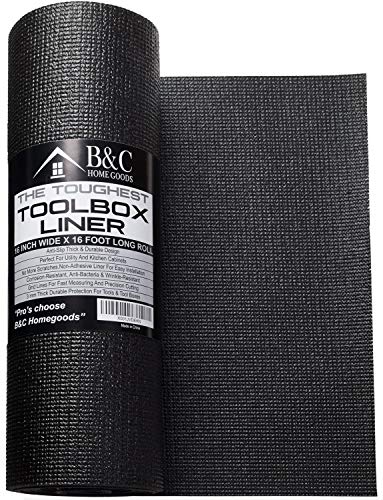
B&C Home Goods Anti-Slip Toolbox Liner 16″ x 16 ft

HooTown Foam Toolbox Liner 16″ x 193″ Black
What Each Pick Brings To The Table
The ChiKiner 3MM roll is the entry point most DIYers reach for first, and the small 72-inch length is what makes that first reach sensible. You get the same 16-inch width as the longer ChiKiner roll below, just in a quantity that suits a single drawer or a small workbench shelf. For someone lining one tool cabinet or trying the foam category for the first time, the waste stays low.
The 3mm thickness (that’s 0.12 inches) sits in the comfortable middle of foam liners. Thinner pads slide under tools and barely register, while thicker foam can bulge under a closed lid. Here, the foam reads as supportive without raising the floor much, and the closed-cell foam construction helps it resist oil and solvent spills that would soak into open-cell foam.
Notable Gains
- Compact 72-inch length avoids leftover scrap on a single-drawer project
- 3mm closed-cell foam cushions dropped sockets without eating drawer depth
- Non-slip surface keeps hand tools from skating when the drawer opens fast
- Flexible roll trims easily with a straightedge and utility knife for odd drawer sizes
Points To Keep In Mind
- 72 inches runs short for a full-size rolling chest with multiple drawers
- Foam can hold odors if soaked with oil and left uncleaned, so wiping spills promptly matters
Who It Suits Best
Home DIYers outfitting one or two drawers in a portable toolbox or a kitchen junk drawer will get a clean fit without paying for material they’ll never use.
Skip It When
The ChiKiner 3MM Tool Box Liner Foam 16″ x 193″ Roll is the better call once you need to line more than a single drawer, since the longer format keeps seams down and saves cutting time.
Take the same ChiKiner 3MM foam and stretch the roll out to 193 inches, and the use case shifts from one drawer to an entire chest. That extra length is the whole point here. Larger workshops and rolling tool cabinets with four or five deep drawers can be lined from a single purchase, with fewer seams where debris can collect.
The width stays at 16 inches, which is enough to span most drawer floors front-to-back with a single strip. The material itself is the high-density closed-cell foam you’d expect, and it cuts cleanly with a fresh utility blade. The non-slip surface does the same job as the shorter roll: tools stay put instead of skating toward the front when the drawer opens.
Useful Touches
- 193-inch length covers a full multi-drawer chest with one purchase
- 3mm thickness absorbs impact so dropped wrenches stop clanging
- Closed-cell foam wipes clean rather than soaking up spilled oil
- Larger roll keeps per-drawer cost lower on big projects
Honest Caveats
- Foam is gentler than rubber, so heavy impacts can leave divots over time
- Long roll takes up storage space before it’s cut down
Key Product Details
Made For
Owners of full-size rolling tool chests and professional workshops who want to line every drawer in one trip benefit most from the extra length.
Where Another Pick Suits Better
The ONREVA Tool Box Liner 16″ x 18 ft Rubber Mat is a stronger match for jobsite work where heavier impacts and oil exposure are daily events.
Foam liners cushion, but rubber liners absorb punishment. The ONREVA 16″ x 18 ft mat is the rubber-bodied option in this lineup, and it reads as the heavy-duty alternative to the foam rolls above. Where a 3mm foam will dent under a dropped impact driver, a rubber mat bounces back and keeps the surface level for the next tool you set down.
The red color isn’t just a styling choice. A bright liner inside a drawer makes it easy to spot a missing socket at a glance, which saves real time on a busy day. The 18-foot length still covers a multi-drawer chest without the seams a foam roll might leave, and the rubber surface grips both metal and painted finishes without scratching.
Everyday Advantages
- Rubber body absorbs heavy impacts that would dent foam liners
- Non-slip surface locks down torque wrenches and heavier drivers
- Red color shows missing hardware at a glance, helping you audit a drawer fast
- Resists oil and grease without staining the steel underneath
Trade-Offs To Consider
- Heavier than foam, so it adds real weight once you line a full chest
- Rough rubber texture can hold onto dust and needs a quick wipe-down periodically
Best Suited To
Mechanics, contractors, and serious DIYers who slam their drawers shut and drop heavy tools will appreciate the impact resistance that foam can’t match.
Look Elsewhere When
The HooTown Foam Toolbox Liner 16″ x 193″ is the better fit for shared spaces where sound dampening matters more than impact toughness.
The B&C Home Goods liner takes a different approach than the foam and rubber options. Its grid-based layout turns the mat into a build-your-own kit: you measure, cut, and drop a piece into each drawer. For a workshop with mixed drawer widths, that modularity saves more time than a continuous roll because you aren’t folding scraps into corners.
The 16-foot length splits cleanly into several drawer kits, and the tough non-slip surface does the same anti-skid job as the other picks. Where it stands out is the grid pattern. Lines on the surface act as a built-in measuring guide, so a quick knife cut lands straight without hunting for a straightedge.
Advantages To Know
- Grid pattern acts as a cutting guide for clean, square pieces
- Modular format fits oddly sized drawers without oversized scraps
- Non-slip surface keeps hand tools from shifting mid-drawer
- Adjustable sizing suits a workshop with a mix of small and wide drawers
Some Limits To Know
- 16-foot total length runs short for lining an entire large rolling chest
- Grid cuts show as visible lines in the drawer, which some prefer to disguise
Right Fit For
Anyone lining a mixed collection of small toolboxes, junk drawers, and cabinet shelves will appreciate cutting custom pieces without waste.
Reach For A Different Pick When
The ChiKiner 3MM Tool Box Liner Foam 16″ x 193″ Roll handles a full rolling chest in one continuous run better than the shorter B&C roll.
The HooTown 16″ x 193″ black foam liner closes the list with a focus on the side effect most people notice first: sound. Closed-cell foam softens every clang, drop, and rattle that bare metal turns into an announcement. For a workshop that shares walls with a living space, or for late-night jobs when the house is asleep, that damping matters more than the catalog copy suggests.
The black color hides grime that builds up between cleanings, which is a quiet practical benefit on its own. The 193-inch length matches the long ChiKiner roll, so the format is familiar, and the foam cuts just as easily. The non-slip surface keeps tools planted when the drawer opens fast, just like the other foam options on this list.
The Good Stuff
- Closed-cell foam softens the sound of dropped wrenches and sockets
- Black color hides oil smudges and dust between cleanings
- 193-inch roll covers a full multi-drawer chest in one buy
- Non-slip grip stops tools from sliding when drawers open or close quickly
Where It May Fall Short
- Thinner foam dents under heavy repeated impact more than rubber does
- Black surface can make small brass or chrome tools harder to spot in a dark drawer
Feature Snapshot
Who Will Love This
Home workshop owners, apartment dwellers, and anyone running a quiet garage benefits from the sound-dampening profile that bare metal drawers can’t offer.
A Better Fit Elsewhere
The ONREVA Tool Box Liner 16″ x 18 ft Rubber Mat is the stronger pick for rough jobsite use where rubber’s impact recovery beats foam over the long haul.
Choosing A Liner That Actually Fits Your Drawers
Material matters more than people expect. Closed-cell foam resists oil and water, so spilled brake cleaner or chain lube wipes up instead of soaking in. Open-cell foam feels plusher out of the box but holds onto every drop. Rubber is the toughest on heavy impacts and shrugs off grease, but it adds weight and thickness that some shallow drawers can’t spare.
Thickness sets the personality. A 2mm mat barely registers and is great for shallow drawers that need grip. A 3mm pad is the everyday sweet spot, cushioning drops without eating drawer depth. Anything above 5mm starts to feel like a mat under your tools, and lids may not close cleanly.
Size and format are the practical levers. A 16-inch width covers most drawer floors front-to-back in a single strip, which keeps seams away from high-traffic zones. A long roll (around 16 to 18 feet) lets you line an entire chest in one go, while a short roll or a grid-cut mat fits a mixed drawer collection without waste. Measure the deepest drawer before buying, then add a couple of inches to account for trimming tolerance.
Before You Buy: What Most Shoppers Overlook
Mistakes Worth Dodging
Buying on length alone is a fast path to frustration. A 193-inch roll on a single shallow drawer leaves you with a long leftover that has to be stored somewhere, and foam stored in a hot garage can yellow or curl over time. Match the roll length to the actual project, not the largest number on the box.
Skipping the inside measurement is the other classic miss. Drawer floors rarely match the cabinet’s outside dimensions, and a liner that’s even half an inch wide gets shoved against the sidewall, which throws off your tool layout. Measure the inside width and depth, then size up by a small margin for trimming.
What The Higher Tier Buys
Premium liners in this category earn their position through material density and grip, not flashy features. A denser foam resists compression set, meaning it bounces back after years of tool weight rather than developing permanent grooves. A better rubber compound grips painted finishes without leaving a mark and tolerates brake cleaner and acetone.
The honest read is that mid-tier foam covers most home workshops well. The upgrade pays off for professional use, where the drawer sees daily impact, or for shared spaces where the extra sound dampening is the whole point.
Frequently Asked Questions
How thick should a tool box drawer liner be?
A 3mm liner covers most home and DIY needs, balancing cushioning and drawer clearance. Heavy-impact shops may want thicker foam or rubber, while shallow drawers often do fine with 2mm.
Can I cut tool box foam liners to fit?
Yes, foam and rubber liners both cut easily with a sharp utility knife and a straightedge. A fresh blade keeps the edge clean and stops the foam from tearing along the cut line.
Do drawer liners protect tools from rust?
Liners cushion and grip, but they don’t actively prevent rust on their own. Closed-cell foam resists moisture absorption better than open-cell foam, which helps limit damp contact with the steel drawer.
Are rubber liners better than foam for tool chests?
Rubber handles heavy impact and chemical exposure better than foam. Foam is lighter, quieter, and easier to trim, so the right pick depends on whether noise or impact resistance matters more in your shop.
How do I clean a tool box drawer liner?
Pull the liner out and wipe it down with a damp cloth and a mild degreaser for oil buildup. Closed-cell foam and rubber both air-dry quickly and don’t need any special treatment to go back in.




