Chicken wire looks harmless in a roll, but the moment you start a coop build, a garden trellis, or a compost bin, you quickly learn that the wrong cutter makes the job miserable. Snips that crush instead of slice, flimsy tin shears that wander halfway across a cut, or pliers that leave a sharp horn sticking up: every one of those is a hand injury waiting to happen. The picks below cover the most common scenarios you will run into, from occasional craft cuts to full fence installations.
How The Shortlist Stacks Up

Channellock 85 10-1/2in. Fence Tool Plier

Klein Tools 2100-9 Stainless Steel Electrician Scissors
BOENFU 6″ Wire Cutters Heavy Duty Diagonal Pliers

MIDWEST Bulldog Aviation Tin Snip MWT-6716B

BOENFU 6″ Wire Cutters Flush Cut Side Cutters

BOENFU Wire Snips 6″ Flush Cut Pliers 2 Pack

BOENFU Small Bolt Cutter 8″ Spring Loaded

BOENFU 2-Pack Small Wire Cutters 5″ Black
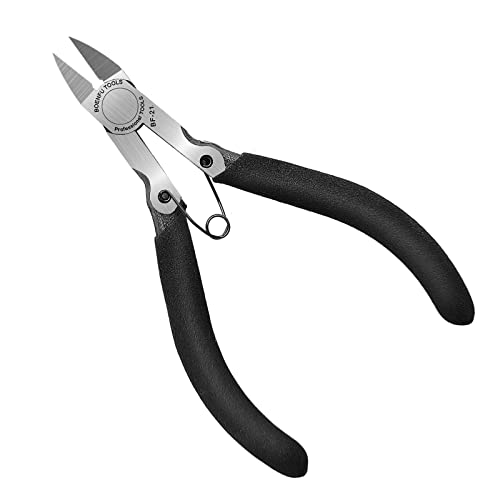
BOENFU 5″ Flush Cutters Precision Wire Snips
Why These Options Stand Out
Wire fencing rarely cooperates with a single-purpose tool, and the Channellock 85 sidesteps that frustration by bundling several jobs into one pair of 10-1/2 inch pliers. You get a staple starter, a staple puller, a hammer face, a wire stretcher, two wire splicers, and two cutters all on the same body, which is genuinely useful when you are halfway up a post and you would rather not climb down for a different tool.
For full fence installations, especially on wooden posts where stapling and tensioning eat up most of the afternoon, the integrated hammer saves real time. The slip-joint action (a pivoting joint that lets the jaw width adjust for a tighter or looser grip) lets you drive a staple flush and then pivot to a cut without changing grip. Compared with the BOENFU snips below, this is a heavier, install-focused tool rather than a fine cutter, so it earns its place on the truck rather than the craft bench.
Notable Gains
- Two cutters built in, so a dulled blade rarely stops the job
- Staple starter and puller remove the need for a separate claw tool
- Wire stretcher handles fence tension without a second pair of hands
- Hammer face lets you set staples with the same plier, fewer tool swaps
Trade Offs
- Heavier than purpose-built snips, so hand fatigue shows up on long detail work
- Cutters are not precision-ground, and clean flush cuts are harder to achieve on soft floral wire
Key Specs
Who It Suits Best
Anyone installing or repairing a wired fence on wood posts will appreciate having every staple, stretch, and cut on a single tool.
Consider Something Else When
Floral crafters shaping wreaths will get more from the BOENFU 6″ Wire Cutters Heavy Duty Diagonal Pliers, whose lighter head makes close trimming less tiring.
Klein’s 2100-9 electrician scissors carry a 5.25 inch frame with fully serrated stainless steel blades, which grips wire the moment the jaw closes and prevents the slipping that turns a clean trim into a mashed end. The free-fall handle design lets the lower handle swing under its own weight, so your grip only has to manage cutting force, not the opening motion.
These are not built for heavy poultry-run panels, and trying to shear through a 16-gauge roll with them would be a long afternoon. They shine on lighter chicken wire used in craft and floral projects, plus any small electrical or paracord trimming. Versus the Channellock 85 above, this is a precision instrument, and it rewards you with much cleaner cut ends on thin gauge.
Everyday Perks
- Stainless steel construction holds up well to outdoor humidity in most sheds
- Stripping notches on the blade handle common electrical wire sizes without switching tools
- Compact 5.25 inch length fits inside a back pocket or apron loop
Worth Noting
- Not suited to thick gauge wire, and forcing it can nick the serrated teeth
- Sharper than typical scissors, so storage in a dedicated pouch is the safer call
Feature Snapshot
Built With In Mind
Electricians, hobbyists, and crafters working with light gauge chicken wire will value the controlled, slip-free cutting action.
Look Elsewhere When
Anyone building a heavy-gauge poultry run should reach for the BOENFU Small Bolt Cutter 8″ Spring Loaded instead, since its levered action handles thick wire without hand strain.
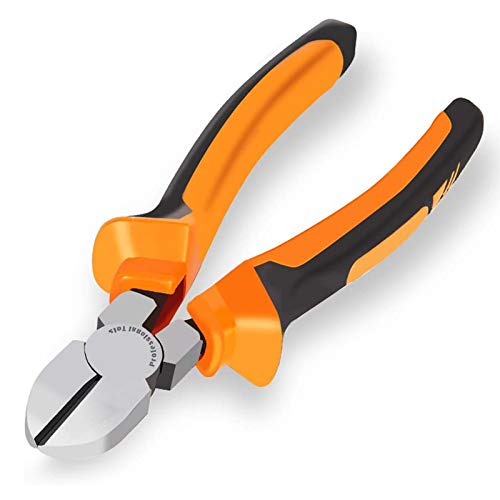
These 6 inch diagonal pliers from BOENFU lean into the side-cutting approach, with induction-hardened edges (heat-treated for extra wear resistance) that stay sharper through repeated runs. The long handle gives you the leverage to shear through 14-gauge electrical wire without a death grip, and the head is small enough to reach into a wreath frame or a tight planter box.
Flower arrangers, wreath makers, and anyone doing light garden work with chicken wire tend to reach for diagonal cutters because the head profile matches the way wire crosses. Compared to the Klein 2100-9 above, this is a more affordable workhorse with thicker jaws, and it sacrifices some fine control for raw cutting power on soft metal.
Features That Help
- Hardened cutting edge resists dulling, which matters when cutting galvanized wire (zinc-coated for outdoor rust resistance) often
- Comfortable grip length delivers real leverage on 14-gauge wire without wrist strain
- Light enough to keep in a garden tote alongside pruners and twine
Honest Caveats
- Diagonal cut leaves a small pointed horn on the cut end, worth filing down if kids handle the project
- Not a flush cutter, so jobs that need a perfectly flat end will need a different tool
Quick Facts
Right Fit For
Garden hobbyists shaping trellises and wreaths from thin to medium gauge chicken wire will find this a sensible everyday cutter.
Swap It Out When
Anyone needing razor-flat cut ends on floral stems should pick the BOENFU 6″ Wire Cutters Flush Cut Side Cutters, whose straight jaw sits flush against a project surface.
The Bulldog from MIDWEST is not a small craft tool, and it does not pretend to be. The 9 inch frame with a 7/8 inch cut length, hot drop-forged (formed by hammering heated steel for strength) serrated blades, and a cutting capacity rated to 16-gauge cold rolled or 18-gauge stainless steel means you can chew through material that would stall a 6 inch pair of snips.
For chicken wire at the heavier end, and for jobs that involve layered fencing or welded wire, the extra blade bite is what keeps the cut going instead of folding the metal over. Compared to the Channellock 85, this snip has a single purpose (cutting) but executes it at a higher capacity. Versus the BOENFU bolt cutter below, it does not match sheer leverage, but it offers more controlled, guided lines on a flat sheet.
The Case For It
- Forged serrated blades bite into thick wire rather than skating across it
- Long 9 inch frame gives most adults enough reach to cut with full hand pressure
- Ambi use (cutting from either hand) suits a shared workshop
Small Caveats
- Heavier than craft snips, so carrying it around a garden all day is tiring
- Serrated teeth leave a rougher cut edge, and filing or bending the burr is a normal cleanup step
Feature Card
Made For
Property owners handling thick gauge fencing, hardware cloth (stiff galvanized mesh used in animal enclosures), and layered metal repair jobs.
Reach For A Different Pick When
Crafters shaping chicken wire into small decorative frames will find the MIDWEST Bulldog overkill and prefer the BOENFU 5 inch Flush Cutters Precision Wire Snips.
The flush-cut profile is the difference between a wire end that sits flat against a surface and one that pokes out like a tiny spear, and this 6 inch BOENFU delivers that flat cut without the price tag of a precision jeweler’s tool. The extra-long cutting edge can snip electrical wire up to 12 AWG (American Wire Gauge, a standard that ranks wire thickness), which covers most of the wire you would meet in a home project.
What you gain in clean cut ends, you trade for lower leverage than a diagonal plier, so thick welded mesh will still ask for a bigger tool. Against the BOENFU diagonal pliers above, the choice is mostly about which end shape you want on the cut. For chicken wire used in craft or for shaping a flat panel, the flush side wins.
Standout Benefits
- Flush cut leaves a flat end, safer for projects that get handled a lot
- Compact 6 inch frame reaches into wreath centers and tight craft corners
- Lightweight build keeps it comfortable for extended crafting sessions
Points To Keep In Mind
- Less leverage than a diagonal cutter on heavy gauge wire
- Cutting edge can chip if you twist the tool sideways mid-cut, a common handling mistake
Feature Snapshot
Best Suited To
Crafters building wreath forms or framed chicken wire decor who need clean, snag-free cut ends on every wire.
A Better Fit Elsewhere
Anyone building a heavy poultry run will find more raw cutting force in the BOENFU Small Bolt Cutter 8″ Spring Loaded.
Two flush-cut snips in one pack turns a single-purpose tool into something that fits a household. You can keep one in the gardening bucket, one in the craft drawer, and stop digging through the kitchen junk drawer on project day. The 6 inch head handles chicken wire, floral wire, jewelry beading wire, and zip ties without complaint, so the same tool follows you between very different tasks.
As with any 6 inch flush cutter, thick gauge is not the goal here, and you may find the jaws flex when pushed into a doubled-up piece of wire. Compared to the single BOENFU flush cutter above, you trade a small per-tool savings for redundancy, which is exactly the trade a busy household tends to want.
What It Does Well
- Two-pair value covers multiple workstations without a second purchase
- Flush cut profile is safe and tidy on visible craft projects
- Lightweight enough for detail-heavy floral and jewelry work
Possible Compromises
- Cutting edge is not as thick as a dedicated heavy-duty cutter, and hard pulls can flex the jaw
- Two snips means two tools to keep track of, and they tend to walk off to different rooms
Quick Facts
Who Should Grab It
Households where one person does floral crafts and another handles small garden projects will appreciate the spare snip in the other room.
Not Your Match When
Anyone cutting heavier welded wire for animal runs should step up to the BOENFU Small Bolt Cutter 8″ Spring Loaded, which delivers more force per cut.
Bolt cutters are overkill for most chicken wire, until you hit a 16-gauge welded panel that laughs at a 6 inch snip. This 8 inch spring-loaded model is the middle ground, with a max opening of 1/4 inch and a 1/10 inch rated cut, which clears the thickest poultry-run mesh most homeowners ever meet. The classic three-stage lever design concentrates hand force at the blade, so a full grip moves a lot of metal.
The spring return is the detail that makes long sessions bearable, since the jaws reopen between cuts without a manual reset. Against the MIDWEST Bulldog above, this trades some cut control for raw force. For a chicken tractor build (a small movable pen for poultry) or coop run, the extra leverage usually wins.
Advantages To Know
- Three-stage lever multiplies grip strength, important on thick welded wire
- Spring-loaded return reduces hand fatigue during repetitive cuts
- Compact 8 inch size stores in a 5-gallon bucket with other install tools
Things To Consider
- Leaves a slightly crushed cut end, so visible decorative work may need a finishing snip
- Not recommended for locks, screws, or stainless steel bolts, despite the “bolt cutter” name, and forcing those can damage the blade
Feature Card
Perfect Match For
Backyard chicken keepers and coop builders working with thick welded wire will appreciate the leverage and the spring-loaded rhythm.
Another Choice May Suit
For delicate floral wire and craft shaping, the BOENFU 5 inch Flush Cutters Precision Wire Snips is a less brutal tool with a much cleaner end.
At 5 inches, this pair of BOENFU cutters sits in the jewelry-making range, and the long cutting jaws reach into tight places where a 6 inch snip simply will not fit. The flush-cut profile and 16 AWG capacity handle chicken wire, zip ties, beading wire, and electronics leads without changing tools, so the same pair covers a wreath build and a circuit board tidy-up.
The 2-pack format, like the larger BOENFU set above, works well for shared houses, classroom craft rooms, or any shop that loses small tools to the couch cushions. The honest trade-off is leverage, and thick gauge welded wire will stop this cutter in its tracks. For chicken wire used in floral and craft applications, though, the compact head is a real advantage.
Real-World Strengths
- 5mm heat-treated carbon steel jaws hold their edge through regular craft use
- Long cutting jaws reach into wreath centers and inside bell shapes
- Two-pack value covers a shared workbench without budget strain
Factors To Consider
- Small frame means limited leverage on heavy gauge wire
- Tips can be knocked out of alignment if dropped on a hard workshop floor
Key Specs
Whose Shelf It Belongs On
Crafters, jewelry makers, and classroom teachers running small-group projects will find the compact head and tidy cut ends genuinely useful.
Where A Sibling Pick Shines
Anyone cutting thick fence panels should reach for the BOENFU Small Bolt Cutter 8″ Spring Loaded instead, which moves far more metal per squeeze.
BOENFU’s 5 inch precision flush cutter rounds out the list with a 13mm long jaw and chrome vanadium steel construction (a hard, wear-resistant alloy used in cutting tools), which together deliver a controlled cut on 14 gauge copper and soft wire. The 14-gauge ceiling puts it between the 16-gauge small cutters above and the heavy-duty bolt cutter, so it lands squarely on a craft bench rather than a fence line.
For someone who shapes a lot of chicken wire into decorative panels or sculpts wire into armature (a structural wire frame for clay or paper projects), the upgraded steel means the edge stays sharper for longer. The trade-off is identical to the other small snips here, and thick mesh is simply out of scope. Against the Klein 2100-9 from earlier, this tool offers a more typical plier-style grip and a flush cut profile.
Everyday Advantages
- Chrome vanadium steel keeps the edge sharp through regular hobby use
- Long jaw gives a more flush cut than shorter micro flush cutters
- Pliers-style handle fits naturally in a mid-sized adult hand
A Few Limitations
- Not built for wire heavier than 14 gauge, and forcing it can nick the jaw
- No spring return, so your hand reopens the tool between cuts
Feature Card
The Right Fit
Detail-oriented crafters shaping chicken wire into decorative panels or sculpting armature will get the most from the precise flush cut and durable steel.
Skip It When
Anyone focused on full fence work will be better served by the Channellock 85 10-1/2in. Fence Tool Plier, which combines cutting with staple and stretch work.
What Matters Most Before Choosing Tools For Cutting Chicken Wire
Chicken wire is deceptively varied, and the same roll can range from thin, almost paper-like craft cloth up to a 16-gauge welded mesh that requires a real bolt cutter. Start by checking the wire gauge on the roll or the project plan. Light craft cloth cuts cleanly with 5 to 6 inch precision snips, while heavy poultry mesh needs an 8 inch bolt cutter or a 9 inch aviation snip. Match the tool size to the metal, not to your hand.
Blade style matters as much as size. Diagonal cutters leave a small pointed horn at the cut end, which is fine for buried or hidden edges but catches on skin and clothing. Flush cutters sit flat against a surface and leave a clean end, which is the safer call on craft and decor projects that get handled. Serrated blades grip slick galvanized wire without skating, while smooth blades slide through softer metal with less force.
The cutter head profile also shapes how a tool feels during a long session. Long, narrow jaws reach into wreath centers and box frames. Wider, shorter jaws deliver more leverage on heavy gauge but cannot squeeze into tight patterns. Look for induction-hardened or chrome vanadium steel edges, since plain carbon steel dulls quickly on galvanized wire (steel coated with zinc to resist rust, common in chicken wire).
For anyone who also installs fence on wood posts, an all-in-one tool like a fence plier with a hammer face, staple puller, and wire stretcher removes most of the tool juggling. For pure cutting, a dedicated snip, shear, or bolt cutter almost always outperforms a multi-tool. Keep one of each nearby if you take on both craft and coop builds, and you will reach for the right one without thinking.
Smart Notes On The Category
Where Shoppers Go Wrong
The most common mistake is reaching for a diagonal cutter when the project actually needs a flush cut, then filing down the sharp horns for an hour afterward. Another regular misstep is buying a small 5 inch snip for a coop run, then blaming the tool when the jaws flex and refuse to bite through 14-gauge wire. Match the tool size and cut profile to the gauge, and the job moves along.
When Paying More Pays Off
Higher tier models in this category usually earn the money with harder blade steel, more precise jaw alignment, and better handle comfort over long sessions. A chrome vanadium or hot drop-forged blade holds an edge through years of project work, while budget steel dulls on the first roll of galvanized wire. The upgrade tends to pay off most for anyone who uses the tool more than a few times a year.
Frequently Asked Questions
What is the safest tool for cutting chicken wire at home? Flush-cut snips are the safest general option, since the flat end they leave behind eliminates the small pointed horn that diagonal cutters produce. Wear gloves either way, because galvanized wire edges stay sharp.
Can household scissors cut chicken wire? Standard household scissors will not cut cleanly through chicken wire, and forcing them risks bending the pivot or nicking a finger. A proper pair of wire snips or tin shears is the right tool for the job.
How do I know what gauge my chicken wire is? The gauge is usually printed on the product label or the supplier listing. Lower gauge numbers mean thicker, stronger wire, and 19 to 22 gauge is typical for craft cloth, while 16 gauge is common for heavier garden and poultry use.
Should I oil or treat my wire cutters? A small drop of light machine oil at the pivot every few months helps snips and bolt cutters stay smooth, and wiping the blades dry after outdoor use slows rust on carbon steel tools. Stainless steel heads need far less care.
Is a bolt cutter really necessary for chicken wire? A bolt cutter is only necessary for the heaviest welded wire, generally 14 gauge and above. Most lightweight and medium chicken wire cuts cleanly with 6 inch diagonal or flush snips, and a 9 inch aviation snip covers the middle ground.