Cutting fiberglass frustrates almost everyone the first time. The fibers shed, edges fray, and the wrong disc leaves a ragged edge that splinters under stress. The right tool, paired with the right consumable, changes the job from a fight into a tidy, predictable cut. This roundup walks through nine specific picks across rotary discs, hand shears, fiber-optic strippers, and a measuring tool, so you can match the gear to the task instead of guessing at a parts drawer.
A Snapshot Of The Selections

EZARC 1-1/2″ Cut Off Wheels 32-Pack with Mandrels
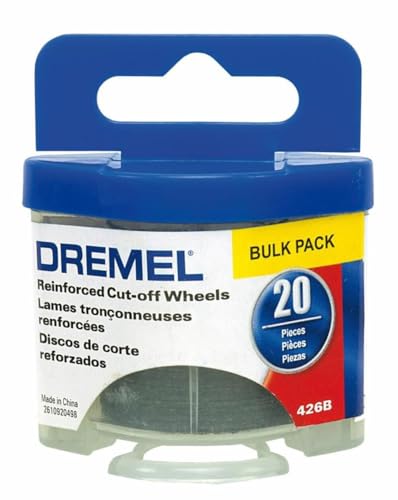
Dremel 426B 20-Piece Fiberglass Reinforced Cutting Discs

Jonard Tools JIC-375 Three Hole Fiber Optic Stripper

Ascend Tools 5-1/2″ Carbon Steel Shears for Aramid Fibers

Dremel EZ456B 1-1/2″ EZ Lock Cutting Wheels, 12-Pack

Jonard Tools FOD-2000 Fiber Optic Drop Cable Slitter

Wiha 61602 MaxiFlex Folding Ruler, Metric 2m

Jonard JIC-186 Kevlar Ergonomic Fiber Optic Cutter, 6″
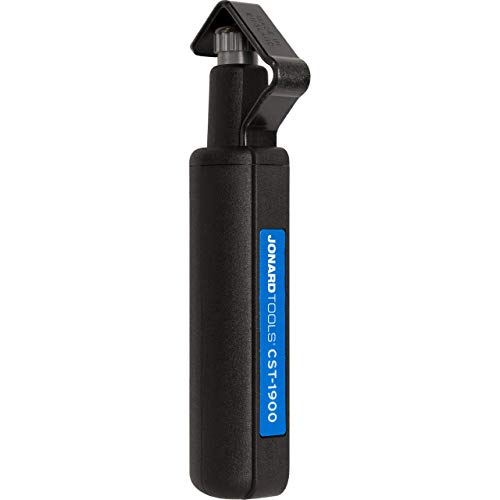
Jonard Tools CST-1900 Round Cable Stripper 3/16″–1-1/8″
A Deeper Look At The Lineup
A 32-pack of thin 1.5-inch rotary cutting wheels is the kind of consumable that quietly disappears from the bench, so a bulk count earns its keep. The fiberglass reinforcement baked into the abrasive matrix is the detail that matters, because fiberglass strands woven into the disc add tensile strength that prevents the edge from shattering mid-cut. You get the discs, plus the mandrels (small shafts that hold the wheel in the rotary tool’s collet), so a first-time user can drop them straight onto a standard rotary without sourcing extra hardware.
Compared with the Dremel 426B in slot two, this pack trades brand recognition for sheer quantity. In a busy workshop, you may find yourself using two or three wheels per project, which makes the count here feel less extravagant than it looks on paper.
Where It Delivers
- Fiberglass mesh inside the disc improves tensile strength and reduces shattering on thin cuts.
- Includes mandrels, so a beginner does not need to hunt for compatible shafts.
- Thin 1/8″ profile leaves a narrow kerf (the width of material removed by the cut), useful for slotting bolts and sheet.
- Wide material range across hardened steel, aluminum, plastic, and thin wood.
Honest Caveats
- Not every rotary tool accepts 1.5-inch wheels, so confirming collet and clearance before buying saves a return.
- Bulk abrasive consumables sit in storage long enough to lose their bite; owners commonly note performance dips if a pack sits unused for years.
Feature Card
Best Suited To
DIYers and hobby machinists who run a rotary tool weekly and want a deep stock of discs on hand.
Skip It When
You mainly work in tight cavities on a Dremel and want tool-free swaps; the Dremel EZ456B in slot five fits that workflow better.
The Dremel 426B has been around long enough that the format feels almost generic, but the spec still earns a spot. The 1-1/4″ working diameter lands slightly smaller than the EZARC above, which is a real advantage when you are cutting inside a control box or trimming a fiberglass panel flush against a wall. The fiberglass reinforcement embedded in the abrasive gives the disc the same shatter resistance that defines this whole category.
For owners who already own a Dremel collet and a small stack of accessories, this 20-pack is the lower-friction path. It cuts the same broad list of materials, just at a slightly smaller radius.
Reasons It Performs
- Compact 1-1/4″ working diameter reaches into tight spots a 1.5″ disc cannot.
- 0.045″ blade thickness keeps cuts narrow and clean.
- Fiberglass layer adds lateral strength for slotting screws and bolts.
Worth Noting
- Discs wear down with use, so working time per disc runs shorter than thicker wheels.
- Smaller diameter can feel slow on long, straight cuts across wide sheet material.
Made For
Existing Dremel owners doing detail-oriented cuts in compact spaces like electronics enclosures or model work.
Look Elsewhere When
You want a larger cutting footprint for sheet stock; the EZARC 1.5″ wheels in slot one cover that ground more efficiently.
Fiber optic cable stripping is its own craft, and the JIC-375 handles the three layers of a fiber cable in one tool. The first aperture strips the outer jacket (1.6 to 3 mm), the second clears the buffer coating (600 to 900 microns, a unit equal to one-thousandth of a millimeter), and the third exposes the 125-micron glass fiber beneath the 250-micron coating. The three holes are calibrated to remove one layer at a time without nicking the glass underneath.
The honest read: this is not a fiberglass-cloth cutter. It belongs on a technician’s tray for telecom and fiber prep work where a scratch at the wrong depth ruins the run.
Key Advantages
- Three calibrated openings cover jacket, buffer, and coating in sequence.
- Factory-set blade depths reduce the learning curve for newer techs.
- Purpose-built form factor sits comfortably in a small tool pouch.
Trade Offs
- Limited strictly to fiber cable prep, so the tool has no real secondary use.
- Replacement blades are a separate purchase once the cutting edges dull over time.
The Right Fit
Fiber optic technicians and low-voltage installers who prep drop cables and need consistent, repeatable strips.
Consider Something Else When
You mostly trim aramid fabrics or composite cloth; the Ascend Tools shears in slot four are built for that material family.
Plain scissors give up on Kevlar within seconds. The Ascend shears use high-carbon alloy steel from Japan, infused with molybdenum and vanadium for hardness in the HRC 60 to 62 range (a Rockwell hardness scale, where higher numbers mean a tougher edge). The blade geometry stays sharp through aramid and para-aramid fibers that would dull hardware-store scissors in a single pass.
The material list runs long: Kevlar, Dyneema, Vectran, Spectra, Technora, Nomex, Innegra, Dacron, fiberglass cloth, and carbon fiber. For anyone working with composite reinforcement, sailmaking, or ballistic fabric, this is a purpose-built hand tool rather than a compromise.
Features That Help
- High-carbon steel blade holds an edge through repeated aramid cuts.
- Wide material compatibility across composite and technical fabrics.
- 5-1/2″ blade length balances control with cutting reach.
- Manual operation means no dust, no power cords, and quiet use indoors.
Some Limits To Know
- Hand-powered, so long straight cuts across wide panels are slower than a rotary disc.
- Premium blade steel costs more upfront than standard shears, though the edge retention offsets this over time.
Who It Suits Best
Composite fabricators, sailmakers, and DIYers working with aramid cloth who need clean, fraying-free edges.
Swap It Out When
You mainly cut rigid fiberglass panels rather than fabric; the Dremel 426B rotary discs in slot two handle that material shape better.
The “EZ Lock” label refers to Dremel’s twist-on mounting system, where the disc screws onto a mandrel by hand rather than relying on a screw and wrench. The EZ456B keeps the 1-1/2″ diameter, the fiberglass reinforcement, and adds a faster swap that matters more than it sounds during a long project. Pull, twist, drop the next disc in, and you are back to cutting in seconds.
Where the 426B earlier in the list feels like a steady workhorse, the EZ456B is the convenience-focused sibling. Both share the same cut quality on hardened steel, bolts, sheet metal, ceramic, and plastic.
Notable Upsides
- Tool-free disc changes speed up multi-step cuts.
- Fiberglass reinforcement supports the same broad material list as the 426B.
- Compatible with most Dremel rotary tools that accept the EZ Lock mandrel.
Points To Keep In Mind
- Requires the EZ Lock mandrel, sold separately on some Dremel models.
- Smaller pack count of 12 means you will reorder sooner than with the 32-piece EZARC option in slot one.
Perfect Match For
Frequent Dremel users who swap discs often and value speed over bulk count.
A Better Fit Elsewhere
Tight-budget shoppers who need the most discs per dollar; the EZARC 32-pack in slot one stretches the consumable budget further.
The FOD-2000 is built specifically for 0.250″ flat drop cable, the type of fiber line run to a house or small business. It slits both sides of the jacket in a single motion and works at the end of a cable or mid-span (anywhere along the run, not just the tip), which is genuinely useful when a tech needs to break out a fiber without cutting the line. A separate replacement blade slot keeps the tool in service after the original edge dulls.
This is a tool for someone running drop cable terminations, not a general fiberglass cutter. Outside that scope, it sits idle.
Useful Strengths
- Slits both sides of flat drop cable in one pass.
- Mid-span access avoids cutting and re-terminating the fiber run.
- Replaceable blade extends the working life of the tool body.
Worth Bearing In Mind
- Limited to 0.250″ flat cable, so it has little value on round jacketed fiber.
Whose Shelf It Belongs On
Telecom field techs and fiber installers who handle residential or small-business drop terminations.
Where A Sibling Pick Shines
You work on round cables of varying diameters; the Jonard Tools CST-1900 in slot nine is the right match for that.
A folding ruler does not cut fiberglass, but the Wiha 61602 is built from 30% fiberglass-reinforced polyamide, which is why it earns a place here. The material choice gives the ruler chemical, water, and scratch resistance, plus a flex memory that survives drops better than a wooden folding rule. It is a 2-meter, 10-section ruler with outside-reading graduations and play-free joints that lock at 90 degrees for square layout.
You measure a cut before you make it, and a rigid, weather-tolerant ruler keeps that step honest on a damp job site or in a dusty shop.
A Strong Showing
- Fiberglass-reinforced body resists water, chemicals, and abrasion.
- Precision joints lock firmly at 90-degree stops for square layout.
- Outside-reading scale simplifies direct measurement against a workpiece edge.
Small Caveats
- Metric-only scale means imperial users may need a second tool for inch work.
- 10-section fold is slightly longer to deploy than a short 6-foot tape.
Made For
Tradespeople and serious DIYers who want a measuring tool that survives shop conditions rather than a fragile wooden rule.
Not Your Match When
You need a fast-rolling tape for long solo measurements; this folding rule rewards careful layout more than quick length checks.
The JIC-186 trades the all-metal feel of the Ascend shears for a softer, ergonomic grip built from dual-component nylon and Santoprene (a flexible, rubber-like material). The high-carbon stainless steel blades are heat-treated to HRC 58 to 60, which keeps a working edge through Kevlar strands inside fiber optic cable, cable ties, and insulating tape. For techs who cut Kevlar all day, the cushioned handle is the difference between sore hands and a normal shift.
Compared with the heavier Ascend shears in slot four, this tool leans lighter and more comfort-focused, though the cutting reach is shorter.
Advantages To Know
- Ergonomic dual-material handle reduces hand fatigue over long sessions.
- High-carbon stainless steel blades stay sharp through repeated Kevlar cuts.
- Adjustable blade tension lets you tune the cut to material thickness.
Practical Considerations
- Smaller 6″ size cuts less material per pass than the 5-1/2″ Ascend shears, which have a longer blade.
Who Will Love This
Fiber optic techs and electricians who trim Kevlar strength members as part of their daily work and want comfort over raw reach.
Another Choice May Suit
You cut wide composite panels or long aramid fabric runs; the Ascend Tools 5-1/2″ shears in slot four cover that ground with a larger blade.
The CST-1900 is a round cable stripper with a triple-action design. It makes longitudinal cuts for end stripping, spiral cuts for end and mid-span access, and circular cuts to remove jacket rings. The 3/16″ to 1-1/8″ diameter range covers a wide spread of common cable sizes, from small signal wires up to thicker power and telecom jackets.
For technicians who work on varied cable stock, this single tool replaces a small drawer of single-purpose strippers. The trade-off is that the rotary blade takes a moment to learn compared with a fixed-depth fiber stripper like the JIC-375.
What Earns Its Place
- Triple cut modes: longitudinal, spiral, and circular for flexible jacket removal.
- Wide diameter range reduces the need for multiple specialty strippers.
- Mid-span spiral cuts allow access without severing the run.
Some Limits To Know
- Rotary adjustment adds a learning curve for first-time users.
- Less precise on very small fiber buffer coatings than the JIC-375 dedicated stripper.
The Right Fit
Cable installers and maintenance techs who strip a variety of round cable sizes throughout the week.
Reach For A Different Pick When
You prep fiber optic drop cable specifically; the Jonard FOD-2000 in slot six is built for that cable shape.
What To Weigh Before Choosing Your Cutting Tool
Cutting fiberglass cleanly depends more on matching the tool to the material form than on the brand. Solid fiberglass panels and composite sheets want rotary cutting wheels like the EZARC or Dremel 426B, while aramid and fiberglass fabrics cut cleaner with hardened shears. Fiber optic cable layers demand a calibrated stripper, not a general-purpose blade.
Disc diameter and thickness shape the cut. A 1.5″ disc gives longer reach and faster material removal, while a 1-1/4″ disc fits into tighter cavities. A thinner kerf (1/8″ or less) means less material loss and a smoother cut, but the disc wears faster than a thicker wheel. For most DIY workshops, mid-range discs hit the practical balance.
Material compatibility deserves a second look. Shears rated for aramid fibers handle Kevlar, Dyneema, and fiberglass cloth, but they are wasted on rigid panels. Rotary discs cut metal, plastic, and thin wood, which makes them a versatile general-purpose consumable but a poor choice for soft technical fabrics.
Ergonomics and maintenance matter on longer jobs. An ergonomic handle on the Jonard JIC-186 keeps hands fresh during repeated cuts, and replacement blades on the FOD-2000 and CST-1900 extend tool life. Owning a tool is partly about how easy it is to keep it sharp.
Key Takeaways Before You Buy
Pitfalls Shoppers Hit
Chasing the cheapest disc usually backfires. Thin, unreinforced abrasive wheels chip and shatter, which costs more in ruined workpieces and replacement frustration than a mid-range fiberglass-reinforced disc. The reinforcement is the feature that pays for itself.
Another common slip: using a Dremel cutting disc to slice fiberglass cloth. The disc grabs, frays, and burns the fabric. A purpose-built shear with hardened steel blades, like the Ascend or Jonard JIC-186, leaves a clean edge and survives the job.
When Paying More Pays Off
Higher-tier tools in this category cost more because the steel holds an edge, the calibration stays consistent, and the handles reduce fatigue. For occasional users, mid-range picks are honest value. For daily trades work, the premium tools earn their price through faster cuts, fewer blade changes, and less hand strain across a long shift.