Hardware cloth trips up a lot of projects. The woven galvanized wire frays, snags on dull edges, and chews through anything that isn’t built for it. Gardeners building compost bins, chicken coop builders, and weekend crafters all hit the same wall: household scissors won’t last past a single sheet, and most pliers crush more than they cut.
What you really need is a tool with enough bite to shear galvanized wire cleanly without leaving a jagged edge that snags gloves. The right pick depends on how much you’re cutting, whether you want straight lines or curves, and how often you’ll reach for it. This list walks through seven options, from budget-friendly aviation snips to a heavy-duty electric cutter, so you can match the tool to the project instead of fighting your materials.
The Main Contenders
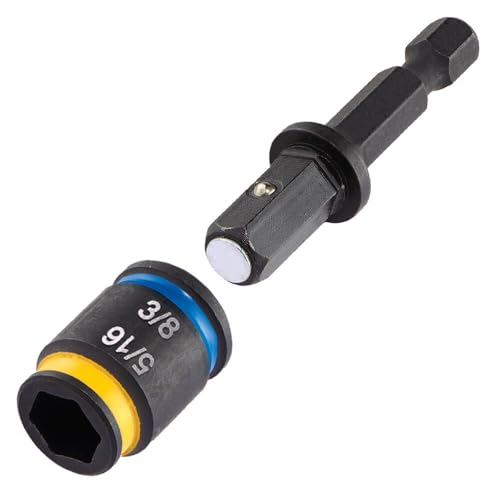
Malco C-RHEX Reversible Magnetic Hex Drivers (MSHC1)
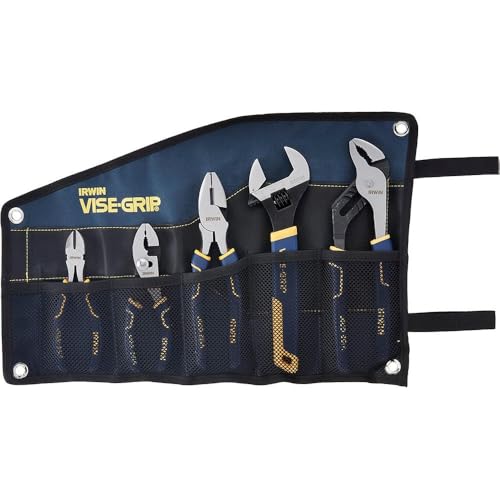
IRWIN VISE-GRIP Pliers Set with Tool Wrap, 5-Piece

C.JET TOOL 10″ Heavy Duty Industrial Scissors (Black)

BETOOLL 3-Piece Hand Seamers Sheet Metal Set

Hoiny 45mm Rotary Cutter with 5 Extra Blades

MIDWEST Aviation Snip Set, Left & Right Cut Offset

CGOLDENWALL Electric Rotary Fabric Cutter 1″ Capacity
A Breakdown Of The Leading Choices
Cutting hardware cloth often means pairing a cutting tool with a driver for the fasteners that hold the panels in place. The Malco C-RHEX is a two-sided magnetic hex driver designed to slot into any standard drill or impact driver. One end fits 5/16-inch hex heads, the other fits 3/8-inch, covering most exterior wood screws and the driver bits that secure hardware cloth to wood frames.
The reversible design saves you from swapping bits mid-project, and the strong magnet holds fasteners steady while you start each screw. For anyone building a coop or garden enclosure, having one driver that handles both common sizes keeps the workflow moving without fishing through a tray of bits.
Why It Works Well
- Two hex sizes in one tool, which means fewer bit swaps during a build
- Magnetic tip holds screws in place for one-handed starting on fence posts and frames
- Reversible shaft works with standard drills and impact drivers
- Compact 2-inch length gives you clearance in tight corners where longer drivers get in the way
Things To Consider
- This is a driver, not a cutter; it won’t actually shear the wire mesh itself
- Magnet strength can vary between units, and metal shavings from cutting tend to stick to the tip during long sessions
Who It Suits Best
Anyone building a frame first and fastening hardware cloth to it afterward, especially chicken coop and garden trellis projects where 5/16″ and 3/8″ fasteners dominate.
Look Elsewhere When
You actually need to cut the mesh itself; the IRWIN VISE-GRIP Pliers Set handles the shearing while this Malco driver handles the fastening, so pair them based on which step you’re at.
The IRWIN VISE-GRIP 5-Piece Set covers the bases most hardware cloth projects demand. The set includes adjustable wrench, slip joint, diagonal cutting pliers, lineman’s pliers, and groove joint pliers, all built from nickel chromium steel. The diagonal cutters in particular are the workhorse for snipping individual wires clean at the edge of a panel.
For anyone who already keeps a basic pliers collection and wants a cohesive upgrade, the included tool wrap keeps everything organized in a drawer or truck box. The ProTouch grips reduce hand fatigue during longer cutting sessions, which matters when you’re trimming dozens of feet of mesh.
What Earns Its Place
- Diagonal cutters slice cleanly through individual galvanized wires without crushing the surrounding mesh
- Nickel chromium steel construction holds up to repeated outdoor use and resists corrosion in damp environments
- ProTouch grips stay comfortable through long trimming sessions
- Tool wrap keeps the set portable and organized, useful for coop builders working across multiple outdoor sites
Points To Note
- Diagonal cutters work one wire at a time, so trimming a full 3-foot-wide panel takes patience compared to aviation snips
- Cutting edges can dull faster than dedicated snips when used heavily on galvanized wire, and periodic cleaning of metal filings from the pivot helps the action stay smooth
Made For
Homeowners who want one organized pliers set that handles both the cutting and the gripping tasks that come with hardware cloth installation, not just the shearing step.
Consider Something Else When
You’re doing long, straight runs of mesh; the MIDWEST Aviation Snip Set in this list will outpace pliers for continuous cuts across a panel.
The C.JET TOOL 10-inch industrial scissors look more like a pair of tailor’s shears than a wire tool, but the stainless steel blades and curved design deliver enough leverage to handle light hardware cloth. The 10-inch length gives the blades serious reach, which means you can slice through a wider swath of mesh in a single motion rather than nibbling at it.
Where these really shine is on thinner-gauge hardware cloth, the kind used for garden pest barriers and small vent covers. The soft-grip handle reduces wrist strain when you’re cutting across several feet at once, and the industrial build takes abuse that household scissors can’t survive.
Where It Excels
- 10-inch blade length covers more mesh per stroke, so you finish straight cuts faster
- Stainless steel construction holds an edge and resists the rust that kills cheaper shears in outdoor settings
- Soft-grip handle keeps the tool from twisting in your hand during longer sessions
- Versatile enough to handle cardboard, leather, and pruning, which makes it a multi-purpose shop tool beyond just mesh
Worth Noting
- On heavier-gauge hardware cloth, the blades can bind or skip, especially at the very tip where leverage drops off
- The curved-blade design favors straight runs; tight curves will be slower than what aviation snips deliver
Right Fit For
Gardeners and crafters working with 1/4-inch or 1/2-inch mesh for pest fencing, window screens, and small craft projects who want one tool that handles multiple materials.
A Better Fit Elsewhere
Anyone cutting 19-gauge hardware cloth for a coop or predator-proof run should look at the MIDWEST Aviation Snip Set instead, which is built specifically for tougher wire gauges.
Once you’ve cut hardware cloth to size, the next challenge is folding clean edges so the wire doesn’t snag on everything it touches. The BETOOLL 3-Piece Hand Seamers set handles that finishing step with three jaw configurations: straight, 45-degree, and 90-degree. Each jaw runs 2.4 inches wide, which is enough to grip and bend a hemmed edge of mesh in a single pass.
The carbon steel construction with a heat-treated chromium finish holds up to repeated bending, and the rubber handle keeps the grip secure even when your hands are dusty from a long build. The included storage case keeps all three tools together so nothing wanders off into the back of the truck.
Strengths Worth Knowing
- Three jaw angles let you form straight hems, sharp corners, and angled folds without improvising with pliers
- Heat-treated chromium surface resists corrosion from outdoor storage in sheds or covered porches
- Storage case keeps the set organized and portable between project sites
- 2.4-inch jaw width handles most standard hardware cloth edge folds in a single clamping motion
Trade Offs
- These are forming tools, not cutters, so they’re useless for the actual shearing step; you’ll still need snips or shears in the workflow
- On very stiff hardware cloth, the jaws can leave a slight mark on the bend line, so a test fold on scrap is worth doing first
Best Suited To
Makers and coop builders who want professional-looking folded edges on their hardware cloth panels rather than raw, snaggy cut wire.
Not Your Match When
Your project is just cutting mesh to size without any folding; the C.JET TOOL Heavy Duty Scissors cover that step without the extra cost of seaming tools.
Rotary cutters are staples in sewing rooms, but the Hoiny 45mm model doubles as a precise cutting tool for very thin hardware cloth, window screen material, and craft-scale mesh. The 45mm stainless steel blade rolls smoothly along a straightedge, and the safety lock keeps the blade from deploying when the tool’s rattling around in a drawer.
The real value here is precision. Unlike snips that crush as they cut, a rotary blade slices, so you get a clean edge that won’t catch on the next piece of mesh or scratch a work surface. For craft projects and small repair patches on existing screens, this is the kind of control that bigger tools can’t match.
Positive Points
- 45mm stainless steel blade produces a clean, fray-resistant cut on thin mesh
- Safety lock prevents accidental blade exposure in storage, which matters in a shared workshop with kids around
- Five extra blades included so you can swap a dull edge mid-project without stopping
- Compact size fits comfortably in one hand for detail work around existing frames
Room For Improvement
- Not built for standard 19-gauge hardware cloth; the blade will skip or chip on heavier wire, so this stays in the craft-and-screen-repair lane
- Blade replacement requires a few minutes of care to seat the new blade properly, which is a small chore on busy project days
Who Will Love This
Crafters, costume makers, and anyone repairing small sections of window screen where precision and a clean cut edge matter more than raw cutting power.
Another Choice May Suit
Anyone building a full coop or garden enclosure should step up to the MIDWEST Aviation Snip Set, which handles full-size hardware cloth panels without blade damage.
Aviation snips are the classic tool for hardware cloth, and the MIDWEST set delivers the build quality that shop teachers and HVAC pros have trusted for decades. The set includes a left-cutting and a right-cutting offset snip, which means you can keep the cut line visible while curving in either direction without twisting your wrist into a knot. The offset head keeps your hand above the work, which improves sight lines and reduces knuckle scrapes.
The GlideTech forged blades are made from molybdenum alloy steel, which is a high-strength blend that holds an edge far longer than standard carbon steel. For thick 19-gauge hardware cloth, this is the difference between finishing a coop in an afternoon and replacing blades mid-project.
What Works In Its Favor
- Molybdenum alloy blades stay sharp through repeated cuts on galvanized wire, which is the most common frustration with cheaper snips
- Offset design keeps the cut line visible and your knuckles clear of the mesh
- Left and right cut pairing handles tight curves in either direction without flipping the sheet
- Pinched-tip blade geometry cuts all the way to the point, so notches and detail cuts are clean
Honest Caveats
- Priced above most consumer snips, so the upfront cost is higher than a basic hardware-store pair
- Not designed for 18-gauge cold-rolled steel in heavy industrial use; staying within the standard hardware cloth range keeps the blades happy
Built With In Mind
Serious DIYers, small-scale farmers, and anyone cutting enough hardware cloth to justify investing in tools that won’t need replacing after a season.
Swap It Out When
Your project is small and occasional; the C.JET TOOL Heavy Duty Scissors are friendlier on the wallet for one-off repairs and craft use.
When hand tools stop making sense, the CGOLDENWALL Electric Rotary Cutter steps in with serious throughput. The 70mm octagonal blade spins at 2400 RPM and chews through material up to 1 inch thick, which is well beyond anything you’ll encounter with hardware cloth. For a builder cutting dozens of panels a week, this is the kind of tool that pays for itself in time saved.
The built-in sharpening stone keeps the blade in working condition without breaking the workflow. The 110V power requirement means you’ll need an outlet or a long extension cord, so this stays a workshop tool rather than a field tool, but for high-volume cutting, the speed difference is hard to beat.
Positive Takeaways
- 2400 RPM blade speed finishes cuts in a fraction of the time hand tools require
- 1-inch cutting capacity handles stacked layers or dense materials beyond standard hardware cloth
- Built-in sharpening stone maintains edge quality during long cutting sessions
- 70mm octagonal blade provides a long-lasting cutting surface compared to round blades of similar size
A Few Limitations
- Corded 110V design limits portability and requires a nearby outlet or generator on outdoor job sites
- Overkill for one-off projects; the cost and setup only make sense for repeat or high-volume cutting
- Pre-use blade sharpening adds a step before each session that hand-tool users don’t face
The Right Fit
Small fabrication shops, poultry supply makers, and contractors who cut hardware cloth (or similar materials) frequently enough to justify a powered setup.
Reach For A Different Pick When
You’re a casual DIYer cutting mesh a few times a year; the MIDWEST Aviation Snip Set covers the same material without the cord, the cost, or the setup.
Choosing The Right Tool For Your Hardware Cloth Project
Hardware cloth comes in different gauges (the wire thickness) and mesh sizes (the spacing between wires), and the combination determines what cuts cleanly. 19-gauge cloth with 1/2-inch openings is the most common for coops and garden work, and aviation snips or heavy-duty shears handle it well. Finer mesh used for window screens cuts easier but dulls blades faster because you’re shearing more wire per inch of travel.
Cut frequency matters as much as material thickness. A one-time garden bed cover doesn’t need a professional-grade set; a coop builder doing multiple runs over several weekends benefits from forged blades that hold an edge. Consider how much linear footage you expect to cut across the life of the tool, not just the current project.
Grip comfort and safety often get overlooked until your hands are cramping. Offset snips keep knuckles above the work, soft-grip handles reduce vibration, and safety locks on rotary cutters prevent accidents in shared shops. Try to test grip feel if possible, because hand fatigue on a long cutting session is the most common reason projects stall partway through.
Finally, think about the full workflow. Cutting is only one step, since folding edges with seamers, fastening panels with drivers, and trimming around obstacles each demand their own tool. Buying a coordinated set of mid-tier tools often beats one expensive cutter plus improvised grips for the rest of the job.
Key Things To Think Through Before Buying
Common Shopping Slip Ups
The biggest mistake is assuming household scissors will work “just this once.” Hardware cloth is galvanized steel wire, and most kitchen shears aren’t hardened for that. They crush instead of cutting, and a single sheet usually ruins the edge for food use afterward. The second pitfall is buying the cheapest snips available, which dull after a few feet and leave you with ragged, snagging edges that scratch fingers and snag gloves.
Another trap is overlooking blade material. Carbon steel is fine for occasional use but corrodes quickly in outdoor storage. Molybdenum alloy or chrome-vanadium blades cost more but survive damp sheds and repeated use without rust pitting. Skip the bargain bin and you skip the frustration.
Where The Extra Money Goes
Higher-tier cutters earn their price through blade metallurgy, forged construction, and joint hardware that stays tight over years. A forged molybdenum snip like the MIDWEST set will outlast three or four budget replacements, which is where the value compounds. The added cost also goes into features like offset heads, safety locks, and comfort grips that reduce fatigue on long jobs.
The upgrade is worth it for anyone cutting hardware cloth more than a few times a year, or for projects where clean edges and consistent results matter. For occasional screen repair or small craft use, mid-tier tools deliver plenty of capability without the professional price tag.
Frequently Asked Questions
What gauge hardware cloth can standard aviation snips handle?
Most quality aviation snips cut 19-gauge hardware cloth cleanly, and forged models push into 18-gauge territory. Heavier industrial wire requires specialized compound-action cutters, which are a different tool category altogether.
Can I use the same tool for straight cuts and curves?
Offset aviation snip sets with both left and right cut options handle both, with the offset head improving visibility. Straight-only snips force you to flip the sheet for every curve, which is workable but slow on detailed shapes.
How do I keep the cut edges from snagging?
A quick pass with a metal file along the cut edge removes burrs and sharp points. For a more finished look, folding the edge with a hand seamer creates a smooth hem that catches nothing.
Are electric rotary cutters safe for hardware cloth?
Electric cutters work, but the blade speed and torque can grab the wire unexpectedly. Use a straightedge guide, keep fingers clear of the blade path, and consider eye protection since small wire fragments can fly off at high RPM.
How long should quality snips last with regular use?
Forged snips from reputable brands typically last several years of regular project use before needing sharpening or replacement. The first sign of wear is usually the cut requiring more hand pressure, which signals the edge has dulled.