Laying irrigation lines, edging a garden bed, or running a low-voltage cable across the lawn all start the same way: a clean, narrow cut into the soil. A regular round-point shovel works, but it tears the turf wider than necessary and doubles the backfill work. The picks below lean into narrow blades, serrated tips, and reinforced shafts that match the job to the cut. Homeowners handling weekend projects and hobbyists chasing tighter, deeper channels both come out ahead here.
The Essentials At A Glance
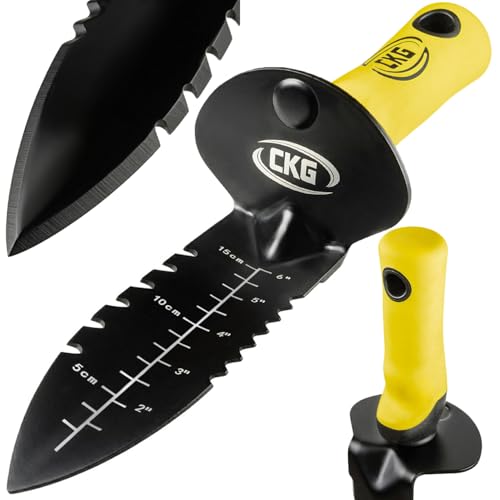
CKG Metal Detector Shovel Double Serrated Edge Digger
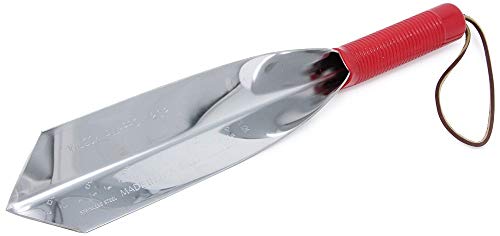
Wilcox All-Pro 202S 14″ All-Pro Trowel

HANTOP Flat Spade Edging Spade 43″ Wood Handle

HANTOP Sharp Blade Garden Spade Flat Spade 43″

HANTOP Sharp Blade Mini Shovel 28″
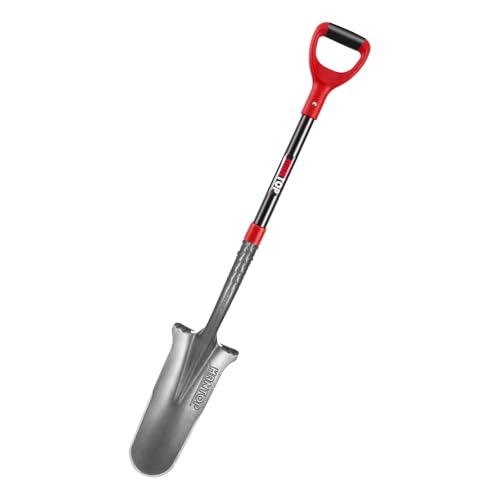
HANTOP Drain Spade Digging Shovel 44″

Spear Head Spade SHFD3 40″ Lavender Garden Spade
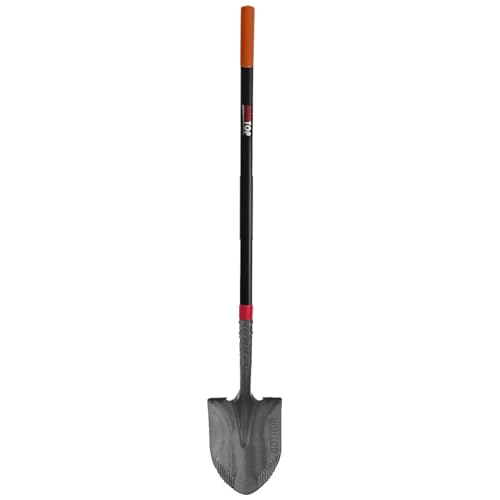
HANTOP Round Digging Shovel 58″ Fiberglass Handle

HANTOP Drain Spade Root Saw 44″ Oak Handle
The Details Behind The Selections
The CKG Metal Detector Shovel is built around a short, aggressive head with a double serrated edge, and that shape earns its keep in tight holes rather than long runs. Owners chasing coins, relics, or cable runs in already-rooted ground tend to favor this profile because the teeth bite first instead of skipping off the surface.
Compared to the full-length spades later in the list, the CKG trades reach for control, which matters when you are kneeling over a signal. The included sheath knife adds a practical second tool for cutting plugs and roots on the fly. You may find the handle length short for any real trenching distance, but for pinpoint digging it stays out of the way.
The Helpful Details
- Double serrated edge slices cleanly through sod and small roots
- Compact head gives you accuracy in tight holes
- Reinforced handle and head junction for heavy prying
- Sheath knife handles plug cuts and tape work on site
- Light enough to carry on a hike without fatigue
Points To Keep In Mind
- Short handle limits reach on longer trench lines
- Not a substitute for a full-length drain spade on big jobs
Right Fit For
Detectorists and weekend diggers working a single hole at a time where accuracy matters more than speed.
Skip It When
You need a continuous channel for irrigation or cable, where the HANTOP Drain Spade Root Saw 44″ Oak Handle covers the same ground far faster.
Wilcox’s 14-inch trowel is a single piece of 16 gauge stainless steel, with a plastic-coated handle and a leather wrist strap. The all-metal build bends the rule on weight, but the trade is longevity: this is the kind of hand tool that survives a trunk, a duffel, and a long season of rough use without flexing.
For a one-off lawn project you would reach for the bigger spades, but the 202S earns a place on camping trips, overnight hunts, or any job where you stash the tool in a pack and forget about it. Depth markings on the blade help you plant bulbs at a consistent level, and the beveled tip pierces hard, rocky ground where plastic trowels would skate.
Everyday Wins
- Single-piece 16 gauge steel resists bending in rocky soil
- Beveled edges and pointed tip cut instead of push
- Plastic-coated handle stays grippy in wet conditions
- Stows in a backpack for camp, hunt, or trail work
Minor Gripes
- Too small for trenching any meaningful distance
- Steel construction carries more weight than folding trowels
Who Should Grab It
Campers, backpackers, and detectorists who want a no-fuss steel trowel that disappears into a kit.
Consider Something Else When
You are working a continuous line, where the HANTOP Sharp Blade Mini Shovel 28″ adds serious reach without losing portability.
Key Product Details
HANTOP’s flat edging spade takes the classic English border style and pairs it with a 1050MN steel blade and a straight oak shaft. The result is a tool that drops straight into the ground with a clean, vertical wall, which is the difference between a tidy edge and a ragged one. At 43 inches and 4.5 pounds, it sits in that mid-weight range that most adults can swing for an hour without strain.
The 7.5 by 2 inch blade profile gives you a narrow cut that works for bed lines, transplant rows, or shallow irrigation runs. The fiberglass-free wooden handle offers a traditional feel that many gardeners prefer, and oak handles the elements well with basic care. Owners with rocky clay may want to ease into a cut, since the smooth blade edge relies on force rather than teeth.
A Favorable Mix
- Flat blade produces a clean, vertical cut for bed edges
- 1050MN steel head holds up season after season
- Oak handle gives a classic feel with solid durability
- Mid-length shaft suits a wide range of heights
Honest Caveats
- Smooth edge needs more force in compacted or rocky soil
- Wood handle benefits from an annual oil treatment to prevent drying
Made For
Home gardeners who want a clean border cut and a traditional wooden handle, especially around beds and walkways.
Another Choice May Suit
You fight heavy root mats often, where the HANTOP Sharp Blade Garden Spade Flat Spade 43″ cuts a similar path with a serrated tip that breaks through faster.
Quick Facts
The sibling to the previous HANTOP edging spade swaps the wooden shaft for a fiberglass handle and adds a zigzag cutting edge. That zigzag tip is the headline feature: it bites into compacted soil and small roots where a flat edge would skate, which makes the start of a trench less of a fight.
The widened foot platform with an anti-skid pattern gives you a steady place to push with your boot, and the non-slip PP grip keeps the upper hand planted. Dimensions mirror the wooden version at 7.5 by 2 by 43 inches and 4.5 pounds, so the choice between the two comes down to handle preference rather than reach. In most cases, the fiberglass shaft handles weather better and skips the seasonal oiling.
Good Reasons To Consider
- Zigzag blade pierces compacted soil and small roots
- Fiberglass handle resists weather without extra care
- Non-slip PP grip stays planted in wet conditions
- Widened foot platform adds leverage on hard ground
Less Ideal Details
- Same weight and length as the wood-handle model, so no reach advantage
- Fiberglass transmits more vibration back to the hands than ash or oak
Best Suited To
Homeowners who dig often and want a low-maintenance handle that takes weather abuse without splitting.
Where A Sibling Pick Shines
You prefer the warm feel of wood, where the HANTOP Flat Spade Edging Spade 43″ Wood Handle offers a similar cut with a classic grip.
At 28 inches long and roughly 2 pounds, this HANTOP mini shovel is the size of a full-size border spade compressed into a one-handed tool. The Y-shaped PP grip and fiberglass shaft keep the package light, while the sawtooth blade does the same cutting work as its longer siblings. You give up the leverage of a longer handle, but you gain access to spots where a 43 inch shaft simply will not fit.
For trenching a short irrigation line along a foundation or slicing a channel between established perennials, the size becomes the feature. Smaller gardeners and anyone working raised beds tend to appreciate the lower weight, since the tool hangs in the hand rather than at the end of a long lever. The catch shows up in really hard ground, where a shorter shaft means more bending and more effort per stroke.
Real-World Strengths
- Reaches tight spots where a full-size spade will not fit
- 2 pound weight keeps fatigue low on long sessions
- Sawtooth blade handles roots that defeat a flat edge
- Fiberglass construction shrugs off weather and rough storage
Some Limits To Know
- Short shaft limits leverage in compacted soil
- Less reach means more bending for taller gardeners
Perfect Match For
Smaller gardeners, raised bed work, and anyone needing trenching access in cramped corners of the yard.
Look Elsewhere When
You are trenching long, straight runs in open ground, where the HANTOP Round Digging Shovel 58″ Fiberglass Handle covers more ground per stroke.
Feature Snapshot
A drain spade narrows the standard flat blade into a 7 by 2 inch profile, and HANTOP’s version sharpens both the tip and the side edges to speed up every cut. The 1050 manganese steel head is tempered and powder-coated for corrosion resistance, which matters when the tool spends its life in damp soil and damp storage sheds. The fiberglass shaft keeps the weight at 4.4 pounds, light enough for a long afternoon.
The narrower profile works for the kind of jobs that frustrate wider spades: French drain runs, sprinkler lines, shallow utility trenches. Owners who dig a few times a year tend to overlook the side-edge detail, but it earns its keep on tougher ground. In our view, the smooth handle lacks a cushioned wrap, so gloves become more of a necessity than a choice.
Why It Works Well
- Narrow 7 by 2 inch blade suits true trenching cuts
- Sharpened tip and side edges slice soil and roots
- Tempered, powder-coated head resists rust
- 44 inch length balances reach with control
Worth Noting
- No cushioned grip, so a solid pair of gloves helps
- Side-edge sharpening adds speed but only as long as you maintain the angle
Who Will Love This
Homeowners installing French drains, sprinkler lines, or shallow utility runs who dig often enough to justify a purpose-built blade.
Where A Sibling Pick Shines
You need a serrated bite through heavier roots, where the HANTOP Drain Spade Root Saw 44″ Oak Handle offers a similar narrow profile with a saw edge.
The Spear Head Spade SHFD3 is the most engineered entry in this list, and the engineering is visible in the blade shape. The 9 by 11 inch head is spear-pointed so it drives into rocky ground by finding the path of least resistance, rather than forcing a wide rectangle through clay. The steel-reinforced fiberglass handle is paired with a UV-resistant D-grip and forward-tilted footrests, which together reduce the strain on your wrists and lower back.
The self-sharpening head is the feature that rewards patience: the powder-coated finish wears away gradually, exposing a pre-sharpened edge underneath. That means the tool improves with use, though it asks for a season of digging before it really shines. In rocky or root-heavy soil, this is the kind of spade that pulls its weight and then some, but it carries a noticeable step up in cost over the basic flat spades.
What Stands Out
- Spear-shaped blade finds the path through rocky ground
- Self-sharpening finish keeps the edge improving with use
- Forward-tilted footrests transfer force efficiently
- D-grip gives a secure, ergonomic hold
Potential Drawbacks
- Premium build commands a higher price than basic flat spades
- Wider 9 by 11 inch head is overkill for narrow pipe runs
Best Suited To
Gardeners in rocky or heavy clay regions who want a purpose-built spade that lasts and improves with use.
Consider Something Else When
Your trench needs to stay under 3 inches wide for a pipe or cable, where the HANTOP Drain Spade Digging Shovel 44″ is the right shape for the job.
The longest tool in this list at 58 inches, this HANTOP round-point shovel leans into leverage. A round point digs the initial hole, and the serrated edge helps the blade cut through clods and roots that a smooth point would slide over. The fiberglass shaft keeps the weight at 4.9 pounds, which is on the lighter side for a full-size digging shovel.
The long handle means you stand more upright while you work, which reduces bending and back strain during a long trenching session. A soft double-layer non-slip cap sits at the end of the shaft, so the tool stays planted if your hands slip on a hard stroke. For pure narrow trenching, the wider 9 inch head is more soil than you need, but for the start of a long run it breaks ground quickly.
What Makes Sense
- 58 inch shaft reduces bending and back strain
- Serrated blade cuts clods and small roots
- Soft non-slip end cap adds safety on hard thrusts
- Fiberglass handle keeps total weight in check
Trade Offs
- Round 9 inch head is wider than a true trenching profile
- Long shaft is awkward to transport in smaller vehicles
The Right Fit
Taller gardeners and anyone starting a long trench who wants to spend more time standing upright and less time bent over.
Look Elsewhere When
The trench needs to stay narrow for a pipe or cable, where the HANTOP Drain Spade Root Saw 44″ Oak Handle is purpose-built for that cut.
Feature Card
The Drain Spade Root Saw is the narrow, serrated workhorse at the bottom of this roundup. The 7 by 2 inch blade profile gives you the trenching shape, and the serrated edge turns what would be a slow cut through roots into a much faster operation. The solid oak handle grounds the tool with a traditional feel, paired with the same 4.4 pound weight as the fiberglass drain spade reviewed earlier.
This is the pick that covers the most ground per stroke in actual trenching work: digging ditches, planting trees, running pipe, and metal detecting. The wood handle asks for a little care, but the trade is a comfortable grip that softens with use. The honest read is that this and the fiberglass drain spade are very close siblings, and your choice between them comes down to handle preference more than anything else.
The Upside
- Serrated narrow blade handles roots and tough soil
- 7 by 2 inch profile fits true trenching cuts
- Solid oak handle softens with use and absorbs vibration
- 4.4 pound weight keeps fatigue manageable
Things To Weigh
- Wood handle benefits from a seasonal oil treatment
- Very similar dimensions to the fiberglass drain spade, so consider handle preference before choosing
Whose Shelf It Belongs On
Anyone running a pipe, cable, or tree line who wants a single tool that does the trenching work and skips the wider blade bulk.
Where Another Pick Suits Better
You want a maintenance-free handle for wet storage, where the HANTOP Drain Spade Digging Shovel 44″ offers the same narrow blade in fiberglass.
Feature Rundown
What To Weigh Before Picking A Trenching Tool
Blade Width And Trench Purpose
The biggest decision is blade width, because it dictates the size of the cut you leave behind. A 2 inch profile suits irrigation, low-voltage cable, and most pipe runs, while wider 7 to 9 inch heads move more soil but leave a heavier repair job. Match the blade to the smallest practical cut, since wider trenches mean more sod to replace and more soil to backfill.
Handle Length And Leverage
Handle length changes how you work more than almost any other spec. A 28 to 40 inch shaft keeps the work close and the control tight, which helps in tight beds. A 44 to 58 inch shaft lets you stand more upright and put body weight into the cut, which pays off in long, open runs. Tall gardeners usually feel the difference in their lower back within the first hour.
Edge Type And Soil Conditions
Serrated and sawtooth edges bite where smooth edges skate, especially through roots and compacted ground. Tempered steel with a powder-coated finish holds up better in damp soil and rough storage. For pure trenching in soft loam, a smooth edge is fine, but anyone in clay or rocky ground benefits from teeth.
Key Considerations Across These Picks
Pitfalls Shoppers Hit
The most common mistake is choosing a full-size round-point shovel for a job that calls for a narrow drain spade, then wondering why the trench is twice as wide as it needs to be. Another slip is underestimating handle length: a 40 inch shaft feels right in the store and short on the third hour of digging. Measure your height against the tool before you commit, and pick the narrowest blade that still clears your pipe or cable.
When Paying More Pays Off
The step up to a Spear Head Spade or a fiberglass-handled HANTOP model buys you corrosion resistance, an edge that lasts longer, and a handle that does not need seasonal oiling. That extra cost is worth it for anyone digging more than a weekend a year, especially in wet climates or rocky soil. For a one-time project, a basic steel spade gets the job done without the premium.
Frequently Asked Questions
What Width Blade Works Best For Trenching?
A 2 inch blade is the most common choice for irrigation lines and low-voltage cable, since it cuts narrow enough to minimize sod repair. Wider 7 to 9 inch heads make more sense for drainage work where you actually want a deeper, broader channel.
How Deep Can These Trench Tools Reach?
Most full-size spades on this list reach 8 to 10 inches in a single pass, which covers typical irrigation and cable runs. Going deeper means working in stages: loosen the top, scoop, then repeat until you hit the depth you need.
Are Serrated Edges Worth It For Trenches?
Serrated edges earn their keep in rooty or compacted soil, where a smooth edge would skate across the surface. In loose loam, a serrated edge is not strictly necessary, but it does not slow you down either.
What Handle Length Suits Most Homeowners?
A 44 inch shaft fits the broadest range of adult heights and digging styles, balancing reach with control. Taller gardeners tend to prefer 48 to 58 inches, while shorter gardeners and raised bed work call for 28 to 40 inches.
How Do You Maintain A Trenching Spade?
Wipe the blade clean after each use, dry it before storage, and oil wood handles once a season to prevent drying and splitting. A light coat of oil on the steel head also helps prevent surface rust in damp sheds.