Working with electrical systems demands a kit that earns its space in the bag. The right mix covers stripping copper, gripping awkward fasteners, leveling boxes and conduit, and staying safe around live panels. Below you’ll find seven solid options spanning wire prep, hand tools, layout, and high-voltage rescue gear, each picked for a specific job profile.
The Main Contenders

Zzunkn Automatic Wire Stripper Machine 6 Channel 0.5-17mm
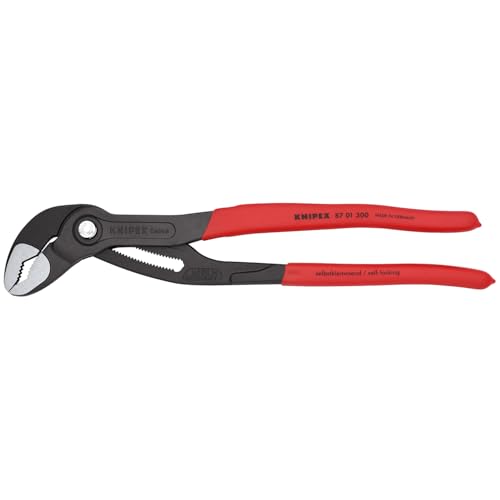
KNIPEX 87 01 300 Cobra Water Pump Pliers 12-Inch

Klein Tools 935AB4V Magnetic Torpedo Level 6-Inch
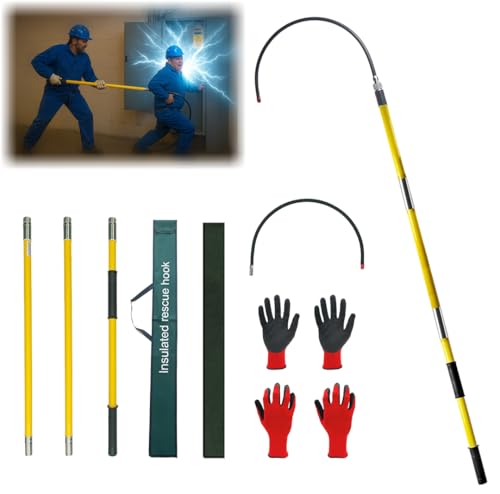
SDIWJWISD 66KV Rescue Hook 10.8FT Telescopic Yellow

SDIWJWISD 66KV Rescue Hook 7.6FT Telescopic Yellow

SDIWJWISD 66KV Rescue Hook 10.8FT Telescopic Green

SDIWJWISD 66KV Rescue Hook 7.6FT Telescopic Green
A Breakdown Of The Leading Choices
Electricians who deal in scrap runs and renovation tear-outs usually end up with bins of old Romex, SO cord, and short copper scraps that take forever to strip by hand. The Zzunkn machine handles that pile without wearing out your fingers, feeding cable through one of six channeled openings sized from 0.5 to 17 millimeters. It runs from a standard outlet, a hand crank for off-grid situations, or your own cordless drill for higher-volume work.
Compared to the KNIPEX pliers in the next slot, this tool occupies the opposite end of the workflow. Those pliers grip and turn a single fastener, while this one sits at the bench and processes raw material. The reinforced aluminum frame keeps the unit planted on the workbench, and the multi-slotted wheels help keep the cable advancing evenly so the blade doesn’t nick the copper underneath.
Where It Delivers
- Three operation modes cover bench work, field work, and high-volume drill-driven runs.
- Six channel sizes handle everything from 14 AWG up to 250 MCM in a single frame.
- Alloy steel blades stay sharp across heavy rubber and PVC insulation.
- Alloy body holds up to daily shop use without flexing under load.
Worth Noting
- Larger gauge wire takes a few passes to feed cleanly through the matching channel.
- Drill-driven mode requires a separate drill you already own.
- Best suited to a fixed bench spot rather than a crowded service van.
Key Product Details
Right Fit For
Electricians and scrap recyclers who process medium volumes of mixed-gauge copper on a regular basis.
Look Elsewhere When
The KNIPEX Cobra pliers are a better match for techs who need a single grab-and-go hand tool rather than a benchtop stripper.
Few hand tools earn a permanent spot in a tech’s bag the way the 12-inch Cobra does. The push-button jaw adjustment lets you resize the opening right on the workpiece, which means less fumbling when you’re up on a ladder balancing a coupling and a wrench. Box-joint construction keeps the jaws aligned under load, and the hardened gripping teeth hold without chewing up chrome.
The self-locking action on round stock is what makes this tool quietly indispensable. Tighten a chromed shower valve nut or back off a stubborn conduit locknut and the pliers stay put while you shift your grip. Set beside the Zzunkn stripper from earlier, this is the grab-and-go side of the kit: portable, fast, and useful on any service call.
What Makes Sense
- Push-button jaw adjustment works one-handed on a ladder or in a panel.
- Self-locking grip on pipes and nuts frees your hand to reposition.
- Hardened teeth resist wear across years of daily calls.
- 12-inch length gives enough leverage for stubborn fittings without being unwieldy.
Trade Offs
- Heavier than a standard pair of channellocks, so it weighs down lighter bags.
- Adjustment mechanism benefits from occasional cleaning after dusty jobs.
Best Suited To
Service electricians and HVAC-adjacent techs who need a reliable grip on a wide range of fastener and pipe sizes.
Swap It Out When
Solo apprentices working light residential work may find the Klein torpedo level a more frequently reached tool on small jobs.
Layout work looks easy until you try to set a box plumb while a partner is asking where the next piece of conduit lands. The 6-inch Klein torpedo level clamps to the pipe or strut with its rare-earth magnet track, freeing both hands for marking and fastening. The vials cover the angles you actually bend, 0, 30, 45, and 90 degrees, so you stop guessing offsets.
The thumb-screw attachment to conduit ends is a quiet timesaver during repetitive bends. Magnet track on a torpedo level tends to be the first thing that fails, but here the design keeps the magnets secured so they don’t drop into a panel box mid-call. Compared to the bulkier rescue poles below, this is the small-format tool you’ll reach for a dozen times a day.
Everyday Wins
- V-groove seats cleanly on round stock and conduit without rocking.
- Four-vial layout (0/30/45/90) covers standard bend offsets in one tool.
- Rare-earth magnet track grips steel without sliding on vertical runs.
- Compact 6-inch body fits in most pouch pockets alongside a folding rule.
Points To Note
- High-visibility orange shows scuffs faster than darker anodized finishes.
- Magnets require occasional wiping to clear metal shavings.
Feature Snapshot
Who It Suits Best
Wiremen and apprentices who bend EMT or rigid conduit daily and need a compact reference on hand.
Consider Something Else When
Substation technicians focused on high-voltage work will find more direct value in the SDIWJWISD rescue hook lineup below.
Substation and line work rarely leaves room for second chances, and a fiberglass rescue hook is one of those tools you hope you never have to deploy. The 10.8-foot telescoping pole gives responders a usable distance from a victim who is still in contact with energized equipment. The 18-inch hook head at full extension keeps hands well clear of the arc-flash boundary, and the kit ships with insulated gloves plus a carry bag.
Yellow coloring makes the pole easy to spot on the ground or against substation grating during a low-visibility call. Set against the bench-focused Zzunkn stripper, this lives in a completely different world: safety equipment for utility crews, training yards, and contractor emergency kits. The fiberglass construction stays rigid when fully extended, which matters more than raw length once you’re pulling against a body weight.
What Stands Out
- 10.8-foot reach provides meaningful stand-off distance from energized gear.
- Fiberglass telescoping shaft holds rigidity when fully extended.
- Yellow finish stays visible in low-light response conditions.
- Kit includes insulated gloves and storage bag for turnkey deployment.
Honest Caveats
- Longer pole requires more storage space in a service vehicle.
- Insulated gloves included are entry-level, so heavy users often pair with their own Class-rated pair.
Made For
Utility line crews, substation electricians, and emergency response teams who need maximum stand-off reach.
Another Choice May Suit
Crews running tight vehicle specs may prefer the 7.6-foot yellow SDIWJWISD model for easier stowage.
Not every service truck has the cargo space to dedicate to a 10-foot pole, which is exactly where the 7.6-foot version earns its place. You still get the fiberglass telescoping shaft, the 18-inch hook head, and the same insulated rescue protocol in a more packable form. It fits across the back of a pickup cab or inside a compartmented response bag without dominating the layout.
For municipal line crews, school district maintenance teams, and training facilities, this length is often the practical sweet spot. Compared to the longer 10.8-foot yellow model above, you trade reach for portability, and most indoor or pad-mount transformer work doesn’t demand the full 10-foot stand-off anyway.
Real-World Strengths
- 7.6-foot length stows easily behind truck seats and in compartmented bags.
- Fiberglass build keeps the pole from conducting when extended.
- 18-inch hook head matches the standard rescue-hook geometry responders train on.
- Includes insulated gloves and carry bag in one purchase.
Soft Spots
- Shorter reach limits stand-off on taller substation bus work.
- Yellow finish may show road grime faster than darker colorways.
Quick Facts
Who Will Love This
Field service electricians and facility maintenance teams who need grab-and-go rescue coverage in a compact package.
Reach For A Different Pick When
Utility crews handling outdoor transmission work will benefit more from the 10.8-foot pole variants below.
When multiple crews converge on a substation incident, color-coded equipment prevents the wrong tool from leaving the truck. The green 10.8-foot SDIWJWISD pole shares its mechanical spec with the yellow model earlier: same fiberglass telescoping build, same 18-inch hook, same bundled gloves and bag. The difference is purely a visual sorting cue for fleet managers and incident commanders.
Green is also a less common colorway on jobsites, which can reduce mix-ups with general-purpose tools. For larger utilities running multiple district response vehicles, assigning a specific color per region helps at a glance. The 10.8-foot reach handles the same outdoor substation and overhead scenarios as the yellow twin.
The Good Stuff
- 10.8-foot reach matches the longest pole in the rescue-hook family.
- Green colorway helps fleet managers color-code by district or crew.
- Fiberglass shaft is non-conductive and rigid at full extension.
- Gloves and carry bag come in the same kit for one-stop deployment.
Points To Keep In Mind
- Same full-length storage footprint as the yellow 10.8-foot model.
- Green may blend into grass or vegetation on outdoor calls.
Perfect Match For
Multi-crew utility operations that color-code emergency response gear by team or territory.
Skip It When
Single-crew service trucks without fleet coordination may not need the color-sorting feature.
Compact service vans and rapid-response SUVs benefit most from the shortest pole in the family. The 7.6-foot green version gives you a stowable rescue hook that doesn’t dominate a side compartment, while still covering the common indoor switchgear and pad-mount transformer scenarios a mobile tech runs into. The included carry bag keeps the fiberglass shaft from rattling against other gear in transit.
Green coloring suits contractors who already run green as a shop or fleet identifier. Compared to the longer 10.8-foot models above, you give up maximum reach in exchange for genuinely portable storage. For most field service work, that’s a trade worth making.
Positive Points
- 7.6-foot length collapses down for tight service van storage.
- Green finish matches common shop or fleet color schemes.
- Fiberglass build keeps weight manageable during deployment.
- Bundled gloves and bag round out a complete response kit.
Where It May Fall Short
- Reduced reach limits usefulness on tall transmission structures.
- Same included-glove quality ceiling as the other SDIWJWISD kits.
Feature Card
Whose Shelf It Belongs On
Mobile field service electricians and small-shop contractors who need compact emergency response gear.
Where A Sibling Pick Shines
Outdoor utility line crews will get more reach from the 10.8-foot SDIWJWISD pole instead.
What To Weigh Before Adding To Your Kit
Matching tools to actual work makes the difference between a kit that earns its space and one that stays in the truck. Start with the wire and conductor sizes you handle most often, since that drives whether a benchtop stripper, hand pliers, or specialty tools matter at all. AWG (American Wire Gauge) measures conductor thickness: smaller numbers mean thicker wire, so 14 AWG is residential branch circuits and 250 MCM is service-entrance feeder. Voltage class matters even more: gear rated for 66KV rescue work is specialized and shouldn’t be confused with general-purpose electrical tools.
Environment shapes the next set of decisions. Substation and utility crews need reach and stand-off, while residential and light commercial techs prioritize portability and speed. Storage footprint, color-coding for fleet management, and bundled accessories all play into whether a tool lives in the cab or back at the shop. Reach, weight, and how often the tool comes out of the bag are honest filters for what actually earns a permanent spot.
Build quality and materials deserve a close look at this price tier. Hardened teeth, reinforced frames, and fiberglass non-conductive shafts aren’t just marketing; they determine whether the tool survives years of daily use. Insulated accessories bundled with rescue hooks are entry-level, so most heavy users add their own Class-rated gloves. Warranty and parts availability can also influence long-term value, especially for tools that see hard commercial use.
Finally, match the tool to your skill profile and call frequency. Apprentices building out a first kit can lean on versatile picks like the KNIPEX Cobra and Klein torpedo level, while experienced crews often add specialized rescue equipment and benchtop strippers as workload grows. Spending up usually makes sense for the tools you reach for every day, not for the once-a-year specialty items.
Key Things To Think About Across These Picks
Wrong Turns To Avoid
A common mistake is buying the most expensive option in a category without matching it to the actual workload. A substation rescue hook is wasted on a residential service van, and a benchtop wire stripper sits unused in a tech’s truck. Match the tool to the daily job, not the worst-case scenario that only happens once a year. Another trap is overlooking the bundled accessories: gloves and bags included with rescue hooks are entry-level, and the absence of rated PPE (personal protective equipment) in a kit can create a false sense of readiness.
When Paying More Pays Off
Higher-tier picks in this category typically cost more because of better materials, longer reach, or more versatile operation modes. The 10.8-foot rescue hook is worth the upgrade over a 7.6-foot model for outdoor utility crews who genuinely need the stand-off distance. The Cobra pliers justify their price over a basic channellock through self-locking jaws and hardened teeth that survive years of daily calls. The upgrade is worth it when the tool is in your hand every day, not when it sits in a drawer most of the year.
Frequently Asked Questions
What Is The Single Most Important Tool For Electricians?
It depends on the work. Service electricians rely on quality pliers like the KNIPEX Cobra daily, while wiremen doing layout work reach for a torpedo level constantly. Specialized crews add rescue hooks and benchtop strippers for specific scenarios.
How Often Should Insulated Rescue Hooks Be Inspected?
Most safety programs require visual inspection before each shift and periodic electrical testing per the manufacturer’s schedule. Insulated tools should be checked for cracks, contamination, and surface damage any time they are deployed or dropped.
Can One Wire Stripper Handle All Common Wire Sizes?
The Zzunkn machine covers from 14 AWG up to 250 MCM across six channeled openings, which spans most residential and light commercial work. Specialty applications like fine electronics or large feeder cable may still need a dedicated secondary tool.
Are Bundled Gloves In Rescue Hook Kits Sufficient For Live Work?
Bundled gloves are typically entry-level and intended for non-live retrieval scenarios. Most safety programs require Class-rated PPE matched to the specific voltage exposure, which is usually purchased separately from a dedicated safety supplier.
What Differentiates A Torpedo Level From A Standard Level?
A torpedo level is a compact level, usually 6 to 12 inches long, designed to fit in a tool pouch and includes magnetic and V-groove features for working on pipe and conduit. Standard levels are longer and aimed at framing and finish work rather than electrical layout.