Cutting sheet metal looks simple until a cheap snip mangles a duct seam, or a wrong tool type fights you on every pass. The right tool for you depends on gauge, material, curve complexity, and whether you want cordless convenience or hand-tool feedback. This roundup covers eight solid options across snips, powered shears, and nibblers, so you can match the tool to the job instead of the other way around.
A Quick View Of The Lineup

Bosch GSC 12V-13 Cordless Metal Shear

DEWALT 20V MAX Metal Shear (DCS496B)
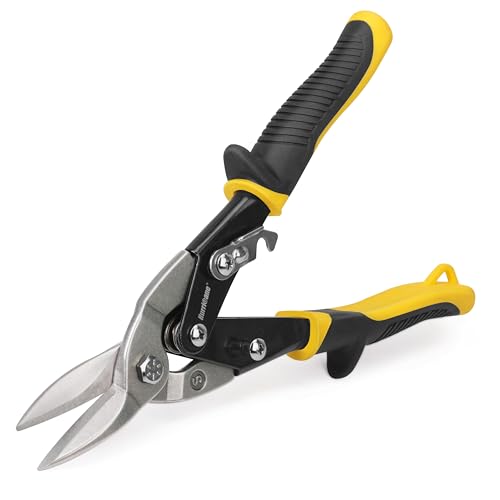
HURRICANE 10 Inch Aviation Tin Snips
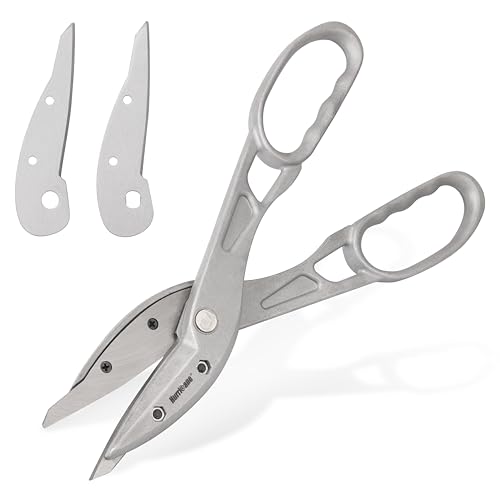
HURRICANE 12 Inch Aluminum Tin Snips
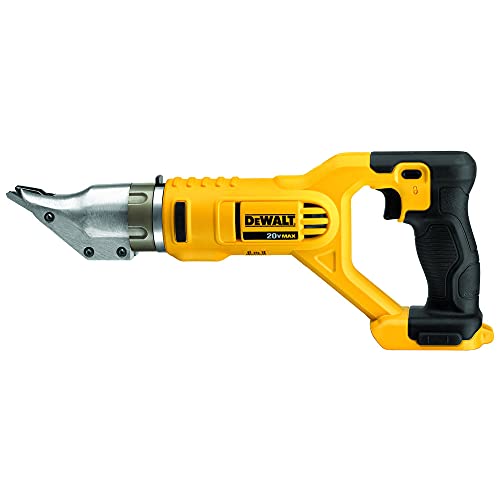
DEWALT 20V MAX Swivel Head Shear (DCS491B)

HURRICANE 3 pc Aviation Tin Snips Set
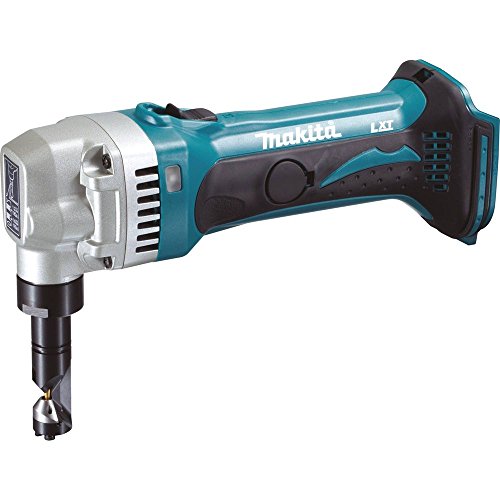
Makita XNJ01Z 18V LXT Cordless Nibbler

Milwaukee M12 Fuel 16 Gauge Nibbler
Meet The Standout Selections
Compact cordless shears earn their keep when the work takes you to rooftops, scaffolding, or anywhere running a cord is the hardest part of the job. The Bosch GSC 12V-13 lives in the 12V class, so it stays light in the hand during overhead runs and tight retrofit cuts.
It is sold without a battery and charger, which matters for anyone already running Bosch 12V gear. For shop veterans with batteries on the shelf, the bare-tool approach keeps the cost down. For first-time shoppers, factor in a starter kit.
Real Benefits
- Lightweight 12V platform reduces arm fatigue on long cuts
- Shear action leaves a clean edge with minimal burr on thin gauge metal
- Compatible with existing Bosch 12V batteries for owners already in the system
- Compact head fits into tight corners where a larger shear would bind
Worth Noting
- Bare tool only, so first-time owners need to budget for a battery and charger
- 12V power suits light gauge work, and heavier stock will slow the cut
Who It Suits Best
Tradespeople already invested in Bosch 12V batteries who need a grab-and-go shear for light gauge sheet work in the field.
Skip It When
You mostly cut in a fixed shop and need the corded power of a tool like the DEWALT DCS496B instead.
The DEWALT DCS496B is built around a tool-free 360 degree swivel head, which sounds like a small detail until you are tracing a circle on a duct seam with a fixed-angle tool. The offset head geometry keeps your wrist in a neutral position while the cut does the rotating.
This is a tool-only listing, so it pairs naturally with anyone running 20V MAX batteries already. The 18 gauge steel rating suggests real HVAC and sheet metal work, not just thin flashing.
Why It Works Well
- Tool-free 360 degree swivel head adjusts without wrenches, saving time on repetitive cuts
- 18 gauge capacity handles common HVAC and duct steel
- Offset head design keeps hands clear of the work surface
- Sits on the same battery platform as most DEWALT 20V MAX cordless tools
Honest Caveats
- Tool-only purchase means existing DEWALT 20V owners get the best deal
- Strip curl exit can occasionally require a quick brush clear in heavier gauge
Right Fit For
HVAC installers and metal shop workers who frequently cut circles, notches, and spiral duct seams in 18 gauge stock.
Look Elsewhere When
You need a hand tool for quick fixes, where the HURRICANE 10 inch snips handle small repairs without dragging a battery onto the ladder.
Sometimes the right tool is the simple one. The HURRICANE 10 inch aviation snips are a straight-cut hand tool with chrome-vanadium steel blades and a Tyregrip handle, aimed at the homeowner fixing a gutter or trimming flashing on a Saturday morning.
These feel like a proper workhorse in the hand, not a disposable. The non-slip grip is the kind of touch you appreciate when the cut is fighting back on thicker stock.
What Helps Most
- Cr-V steel blades hold an edge through repeated sheet cuts
- Tyregrip handle stays planted in sweaty or gloved hands
- No batteries, cords, or setup, just grab and cut
- Compact 10 inch size suits most home and garage projects
Points To Consider
- Straight-cut geometry only, so left or right curves will distort the edge
- Hand fatigue sets in on long continuous cuts versus a powered alternative
Made For
DIY homeowners and weekend fixers handling thin sheet metal, aluminum flashing, and standard gutter work without dragging out a power tool.
Consider Something Else When
You need both straight and curved cuts in one session, where the HURRICANE 3 piece set covers every direction without buying extras later.
The 12 inch HURRICANE shifts the build to an aluminum body, dropping weight compared to the all-steel 10 inch version above. For anyone cutting overhead, that half-pound difference adds up across a long workday.
Replaceable blades are a quiet win here. Most budget snips end up in the trash when the edge dulls, but this design lets you swap the cutting blade and keep the body.
Where It Helps
- Aluminum body keeps weight low for extended overhead or ladder work
- Replaceable blades extend the working life beyond a single edge
- Larger handles accommodate gloved hands comfortably
- High-carbon steel cutting edge handles sheet metal, vinyl siding, and copper
A Few Limitations
- Aluminum body is lighter, though it can show dings from drops more visibly than steel
- Straight-cut only, so this is a single-direction specialist
Best Suited To
Tradespeople cutting vinyl siding, copper flashing, or sheet metal across long sessions where lighter tools directly reduce fatigue.
Reach For A Different Pick When
Your work involves both curves and straight runs in equal measure, where the HURRICANE 3 piece aviation snips set covers both directions from a single toolbox.
The DEWALT DCS491B is the straight-cut sibling to the DCS496B covered earlier, trading the offset head for a more traditional geometry with the same 360 degree tool-free swivel. That combination suits a wider range of shop work where you want rotation, not the offset clearance.
The 7/32 inch strip cut continuously curls out of the cut path, which sounds minor until you are cutting nested shapes and need a clear sight line.
A Few Highlights
- 360 degree tool-free swivel head rotates to match cut direction
- 18 gauge steel and 20 gauge stainless capacity covers most fab work
- Continuous strip curl exit keeps the work area visible during the cut
- Sits in the same DEWALT 20V MAX battery family for cross-tool convenience
Things To Weigh
- Tool-only purchase, so plan for batteries if you are new to the 20V platform
- Replacement punches and dies are a known long-term maintenance item on nibblers and shears in this class
Who Should Grab It
Fabrication shop workers and serious DIYers who already own 20V MAX batteries and cut a steady mix of straight lines and gentle curves.
Not Your Match When
You mostly cut thin flashing at home, where the HURRICANE 12 inch aluminum snips deliver similar results without needing a charger on hand.
A single pair of snips has a directional limit: straight, left, or right. The HURRICANE 3 piece set includes all three in color-coded bodies, so yellow handles the straight runs, red takes left curves, and green handles right curves.
For most homeowners, this set replaces the question of which snip to buy. The Tyregrip handles and Cr-V blades match the single-pair model above, so you are not trading quality for variety.
A Strong Showing
- Complete set covers straight, left, and right cuts in one purchase
- Color-coded handles remove any guesswork mid-project
- Same Cr-V steel blades as the standalone 10 inch model
- Safety latch on each tool keeps them closed in storage
Possible Compromises
- Owning three tools means finding storage space in a smaller toolbox
- You may not need all three directions for every project
Perfect Match For
Homeowners and remodelers tackling mixed-direction sheet work like HVAC patch panels, custom flashing, and gutter repair from a single bag.
A Better Fit Elsewhere
High-volume production shops lean toward the Milwaukee M12 Fuel nibbler covered below, which handles longer runs without the repetitive hand squeeze.
A nibbler is a different beast from a shear. Instead of two blades slicing past each other, a nibbler punches small crescents out of the sheet, leaving a clean edge that often needs no deburring. The Makita XNJ01Z runs on the 18V LXT platform and reaches 16 gauge mild steel, which opens up corrugated metal roof decking and thicker stainless work.
For metal roofing and HVAC contractors, the cordless nibbler replaces a noisy, cord-bound tool. Battery cost is the trade-off for that freedom.
The Case For It
- 16 gauge nibbler capacity in a cordless body, with no extension cord required
- Clean punched cut typically leaves a workable edge without secondary grinding
- Built on the Makita 18V LXT platform shared with hundreds of compatible tools
- Engineered for roof decking, sheet metal, and stainless steel work
What To Weigh
- Tool-only listing, so factor in batteries and a charger if you are new to LXT
- Nibbler punches wear over time, so replacement dies are a long-term maintenance cost
Whose Shelf It Belongs On
Metal roofing and HVAC contractors who cut 16 gauge stock regularly and already run the 18V LXT platform.
Swap It Out When
You want lighter weight and a smaller body for occasional work, where the Milwaukee M12 Fuel nibbler below trades some capacity for portability.
The Milwaukee M12 Fuel nibbler is the lightest 16 gauge cordless nibbler in this lineup, and the variable speed trigger makes a real difference when you want control on thin trim versus raw feed on 16 gauge stock. The 360 degree tool-free die holder rotation eliminates the wrist gymnastics you get with a fixed head.
For shop workers and serious fabricators already on the M12 platform, this is the kind of tool that quietly becomes the daily driver. The included chip collection bag is a small touch that keeps the work surface readable during long runs.
What Makes Sense
- Variable speed trigger adapts from controlled trim cuts to fast 16 gauge feeds
- Tool-free 360 degree die holder rotation supports angled work without adapters
- Drives through 16 gauge mild steel, 18 gauge stainless, and 12 gauge aluminum
- Chip collection bag keeps cut debris off the work surface
- Ergonomic build aims to reduce fatigue during continuous production cuts
Points To Keep In Mind
- Bare tool only, so the price advantage assumes you have M12 batteries already
- Lower-voltage 12V platform trades raw power for portability
Who Will Love This
Professional fabricators and HVAC installers already committed to the Milwaukee M12 platform who want a nimble, all-day nibbler for production cuts.
Where A Sibling Pick Shines
You need heavier 16 gauge capacity on the 18V platform, where the Makita XNJ01Z delivers more raw cutting power for roof decking work.
Picking The Right Sheet Metal Cutter For Your Work
Material thickness, measured in gauge, is the first number to lock down. Lower gauge means thicker metal, and most home and HVAC work sits between 18 and 22 gauge. A tool rated for 18 gauge handles everything thinner, while a tool only rated to 22 gauge will stall on heavier stock.
Cut shape matters as much as thickness. Straight lines and gentle arcs handle fine with aviation snips. Tight circles and complex profiles call for a nibbler, which punches out small crescents instead of shearing, so it can follow a drawn line without distorting the sheet. Powered shears with swivel heads split the difference for production work on duct and panel cuts.
Cordless or hand tool is the next fork. Cordless shears and nibblers shine on rooftops, ladders, and large sheets where a cord would be in the way. Hand snips cost less, need no charger, and give you tactile feedback on every cut, which is helpful for thin or delicate material where a powered tool might grab.
For owners already invested in a 12V, 18V, or 20V battery platform, a bare-tool purchase typically makes the most sense. That cuts redundant battery cost and keeps the toolbox lighter. First-time shoppers should price a battery and charger into the total before committing.
Ergonomics and weight are easy to ignore until a long day of cutting. Aluminum-body snips and 12V nibblers reduce fatigue noticeably. Look for non-slip handles if you work with gloves, and check the latch design on snips so they stay closed in storage rather than swinging open across the truck.
Maintenance rounds out the decision. Nibblers and powered shears have wear parts like dies and punches that need periodic replacement, so factor in the cost of consumables over the life of the tool. Hand snips, by contrast, only need occasional blade sharpening and a drop of oil at the pivot.
Key Considerations Across These Picks
Pitfalls Shoppers Hit
Buying a nibbler when snips would do the job is a common slip. Nibblers excel on curves and heavier gauge, but for a single straight gutter repair, a $20 pair of snips gets you home faster. The reverse mistake is grabbing snips for 16 gauge work, where the hand squeeze becomes punishing and the cut goes crooked. Match the tool to the dominant cut type, not the average.
Skipping the battery cost on bare-tool listings is the other trap. A 20V bare tool can look like a bargain until you add two batteries and a charger, at which point a corded alternative might pencil out better. Always price the system total before committing.
Where The Extra Money Goes
Higher-end picks like the Milwaukee M12 Fuel nibbler and the DEWALT 20V swivel shears spend the extra money on variable speed triggers, swiveling heads, and better balance. Those features matter when you cut for a living, and the upgrade pays off in reduced fatigue and faster cycle times. For occasional weekend work, the basic cordless shear or the HURRICANE hand snips cover the same tasks with less to maintain.
Frequently Asked Questions
What is the difference between a shear and a nibbler?
A shear uses two blades that pass each other to slice metal, leaving a clean linear cut. A nibbler punches small crescents out of the sheet, which lets it follow curves and inside cutouts without distorting the metal.
Can these tools cut stainless steel?
Most of the powered options here handle 18 to 20 gauge stainless, while the hand snips are better suited to thinner stainless up to about 22 gauge. Always check the tool’s stainless rating before cutting harder alloys.
Are bare-tool listings cheaper in the long run?
For anyone already on a matching battery platform, yes. You avoid buying duplicate batteries and chargers. First-time owners should add the cost of a starter battery kit to the comparison.
How do I know which gauge metal I am cutting?
A standard sheet metal gauge tool reads thickness in gauge numbers. Most home HVAC and gutter work is 22 to 26 gauge, while roof decking and structural panels run 16 to 18 gauge.
Do nibblers leave a burr?
Nibblers typically leave a cleaner edge than shears because they punch rather than squeeze. A quick pass with a deburring tool or file usually finishes the edge, especially on 16 gauge and thicker stock.