Cutting PVC shouldn’t leave you with cracked ends, plastic dust in your eyes, or a hacksaw blade that drifts off-line halfway through a joint. The right tool depends on the pipe size, the room you have to work in, and how often you tackle plumbing, irrigation, or hobby projects. This roundup gathers the tubing cutters, ratchet shears, saws, and specialty blades that handle PVC cleanly, whether you’re trimming a sink tailpiece under a basin or slicing 3-inch drain pipe outdoors.
The Picks In Brief
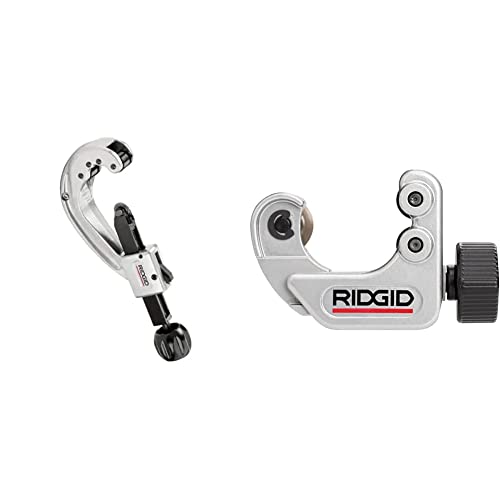
RIDGID Tubing Cutter Bundle (31642 + 40617)

Shark Corp 10-2312 12-Inch Carpentry Saw

RIDGID 41608 PTEC 30000 Tailpiece Cutter
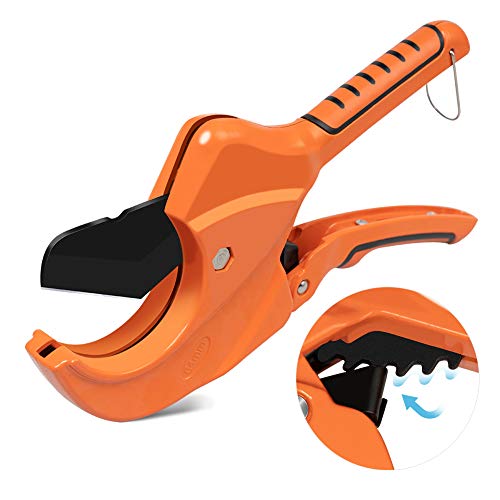
AIRAJ Ratchet PVC Pipe Cutter (2-1/2″)

AIRAJ PVC Pipe Cutter (1-3/4″)
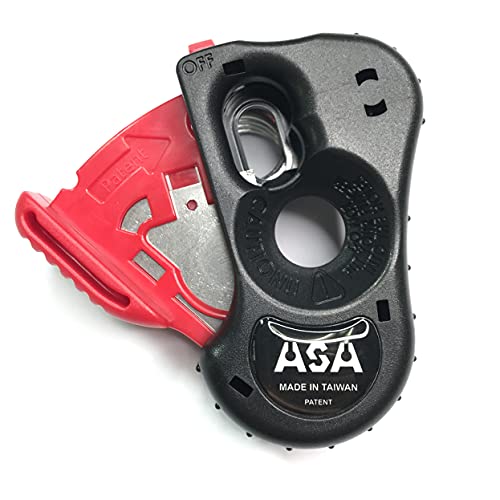
ASA Stainless Steel Silicone Cartridge Cutter
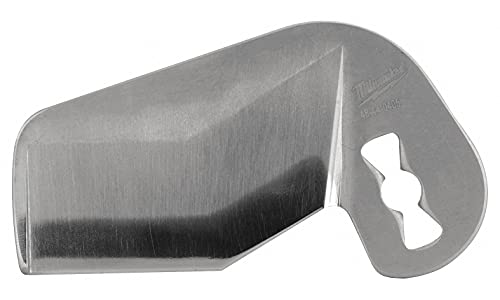
Milwaukee 48-44-0405 M12 Pipe Shear Blade

AIRAJ Heavy Duty Ratchet PVC Cutter (3″)
More Details On Our Top Picks
You get two cutters in this RIDGID bundle, and that pairing covers most of the PVC, copper, and aluminum tubing work a homeowner or trade pro will face. The larger 31642 handles 1/4-inch to 2-5/8-inch pipe with a fast-acting X-CEL knob (a large textured wheel that tightens the cutter wheel in fewer turns), while the 40617 slips into tight 1/4-inch to 1-1/8-inch spots where a bigger tool simply won’t fit.
Both bodies use I-beam steel construction (a reinforced internal frame that resists flexing under pressure) for rigidity, and the close-quarters unit includes a spare cutter wheel so a dulled edge doesn’t end your workday. Owners commonly report the fold-away reamer on the larger cutter making quick work of internal burrs after a cut.
Notable Upsides
- Two capacity ranges in one bundle cover most household and light-trade pipe sizes
- X-CEL knob on the 31642 reduces the number of rotations needed per cut
- Spare cutter wheel on the 40617 extends useful life on the jobs you actually do
- Fold-away reamer cleans the pipe end without a second tool
Things To Consider
- You only need the close-quarters model occasionally, so some may not use both equally
- Cutter wheels are replaceable, but sourcing the exact RIDGID wheel takes a moment
Who It Suits Best
Plumbers, HVAC techs, and serious DIYers who work on copper, aluminum, or plastic pipe in a range of diameters.
A Better Fit Elsewhere
For pure plastic-only ratcheting cuts up to 2-1/2 inches, the AIRAJ Ratchet PVC Pipe Cutter (2-1/2″) costs less and handles most home plumbing.
The Shark Corp 10-2312 is a flexible 12-inch carpentry saw that doubles as a serviceable PVC cutter, which is why it stays in many home tool drawers. With 14 teeth per inch, the blade handles wood, plastic pipe, and general trim work without needing a second tool.
Unlike the ratcheting shears earlier on this list, a hand saw leaves a slightly rougher edge and produces plastic shavings, so you’ll likely want a deburring tool or a pass of sandpaper before solvent-welding a joint. The flexible blade also handles flush cuts where a rigid saw can’t reach.
Advantages To Know
- One tool covers wood, PVC, and ABS pipe cuts
- Replaceable blade extends the tool’s working life
- Flexible blade reaches into spots where rigid saws won’t fit
- No ratcheting mechanism, so nothing clogs with plastic dust
Points To Note
- Cuts are slower and rougher than ratcheting or rotary cutters
- You may need to deburr and sand the cut end before gluing joints
Made For
Homeowners who want one manual saw for occasional PVC repairs and carpentry tasks.
Skip It When
For frequent or cleaner ratcheting cuts, step up to the AIRAJ Ratchet PVC Pipe Cutter (2-1/2″).
The RIDGID 41608 is built for one job: cutting thin-wall plastic drain lines under a sink. It cleanly slices polyethylene, polypropylene, and thin-wall PVC while deburring the cut at the same time, so you can move straight to fitting the new tailpiece without fishing out a second tool.
The open-bore design accepts double-flanged plastic drain pipe, which common tube cutters can’t reach. If you only do sink repairs once a year, this is overkill, but for plumbers and frequent remodelers it removes a step most cutters leave behind.
Reasons It Performs
- Automatic deburring in parallel with the cut saves a second tool step
- Open bore reaches double-flanged drain pipe common under sinks
- Automatic bevel prepares the cut for immediate solvent welding
Worth Noting
- Capacity is limited to 1-1/4-inch thin-wall plastic, so it won’t replace a general ratchet cutter
- Specialty geometry means it sits in a drawer between rare uses
Key Specs
Right Fit For
Plumbers and homeowners replacing kitchen or bathroom sink tailpieces on a regular basis.
Consider Something Else When
For broader pipe work beyond the sink trap, the AIRAJ Heavy Duty Ratchet PVC Cutter (3″) handles a wider range of plastic drains.
The AIRAJ Ratchet PVC Pipe Cutter tackles most of the plastic pipe you’ll find in a house: PVC, CPVC, PPR, PEX, and rubber hose up to 2-1/2 inches. The manganese steel blade and aluminum body keep the weight down so single-hand ratcheting stays comfortable during a longer repair session.
The ratchet design locks with each squeeze, which means a clean cut without the wrist fatigue of a traditional tubing cutter. Compared to the Shark Corp saw, you’ll get noticeably cleaner edges that often don’t need deburring before gluing.
Noteworthy Benefits
- Wide material compatibility covers most home plumbing plastics
- Manganese steel blade resists dulling under repeated cuts
- Aluminum body cuts fatigue during longer repair sessions
- Ratchet action leaves cleaner edges than a handsaw on PVC
Honest Caveats
- Capacity tops out at 2-1/2 inches, so 3-inch drain pipe is out of reach
- Spare blades and replacement parts can take a moment to source
Best Suited To
DIYers handling general plumbing repairs on supply and drain lines in standard residential sizes.
Not Your Match When
For 3-inch drain or irrigation work, the AIRAJ Heavy Duty Ratchet PVC Cutter (3″) extends the same ratchet action to larger pipe.
The smaller AIRAJ ratchet cutter keeps the design language of its bigger sibling but scales it down to 1-3/4-inch capacity. For PEX, small PVC supply lines, and irrigation laterals, that’s the size you’ll cut most often, and the compact frame fits where a longer tool can’t.
The self-locking ratchet is the practical hero here, letting you build pressure progressively instead of fighting one big squeeze. The anti-rust coating on the blade helps if the tool lives in a damp basement or garage.
Everyday Perks
- Compact body reaches into under-sink and behind-faucet spaces
- Self-locking ratchet saves hand strength on longer cuts
- Anti-rust coating suits damp storage in basements or sheds
- Lower cost than larger-capacity ratchet cutters
Room For Improvement
- 1-3/4-inch capacity won’t cover main drain lines or 2-inch PVC
- Smaller jaws may struggle on thick Schedule 80 pipe
Feature Snapshot
Who Will Love This
Homeowners working on PEX, small PVC supply lines, and tight indoor spaces where a full-size cutter won’t fit.
Look Elsewhere When
For larger 2-1/2-inch and 3-inch pipe, the AIRAJ Ratchet PVC Pipe Cutter (2-1/2″) and Heavy Duty 3-Inch version step up the capacity.
The ASA cartridge tip cutter is a small specialty tool aimed at silicone and caulk tube nozzles rather than full PVC pipe. The 420 stainless steel blade (a mid-grade stainless valued for corrosion resistance) and two-finger design let you open a fresh cartridge tip quickly without reaching for a utility knife.
For PVC work, this is more of a supporting player: it shines when you’re trimming a caulk nozzle for the joint around newly glued PVC fittings. Owners commonly appreciate that the blade resists corrosion from acidic silicone and adhesive products.
Practical Advantages
- Two-finger operation is faster than a utility knife for cartridge prep
- 420 stainless steel resists acid-based silicones and adhesives
- Compact size clips onto a tool belt or apron pocket
Some Limits To Know
- Not designed to cut PVC pipe, so it complements rather than replaces a tubing cutter
- Small blade is easier to misplace on a busy jobsite
Perfect Match For
Tile setters, plumbers, and finish carpenters who trim caulk and silicone nozzles as part of every job.
Reach For A Different Pick When
For actual PVC pipe cutting, the AIRAJ Ratchet PVC Pipe Cutter (2-1/2″) handles the real workload.
The Milwaukee 48-44-0405 is a replacement shear blade, not a complete tool, and it pairs with the Milwaukee 2470-21 M12 plastic pipe shear. You only need this listing if you already own the cordless shear body and need a fresh edge.
At roughly 4 inches by 2.5 inches, the blade drops into the shear and restores near-factory cutting performance. For tradespeople who lean on the M12 platform daily, a worn blade is the only reason a working tool would suddenly feel dull.
Benefits That Matter
- Restores a worn M12 shear without buying a whole new tool
- Direct-fit design simplifies blade swaps on the jobsite
- Compact size stores easily in a M12 tool case
Less Ideal Details
- Not a standalone cutter, so it adds no value without the parent tool
- Compatibility is limited to the Milwaukee 2470-21 M12 shear
Built With In Mind
Milwaukee M12 plastic pipe shear owners who need to replace a worn or damaged cutting blade.
Where A Sibling Pick Shines
For a complete cordless-style solution without the platform lock-in, the AIRAJ Ratchet PVC Pipe Cutter (2-1/2″) works on most plastic pipe.
The AIRAJ Heavy Duty Ratchet PVC Cutter pushes the ratchet design to its 3-inch limit, which covers most residential drain, waste, and vent lines plus larger irrigation mainlines. The all-aluminum body and SK5 manganese V-blade (a tool-grade steel known for edge retention) handle the extra force a thicker pipe demands.
The V-shaped geometry penetrates the pipe wall first rather than crushing it, which helps the cut stay straight on Schedule 40 PVC. The powder-coated finish adds corrosion resistance for outdoor or garage storage.
What Stands Out
- 3-inch capacity covers the larger drain and irrigation pipe most cutters skip
- SK5 manganese V-blade penetrates cleanly without crushing the wall
- Powder-coated aluminum body resists corrosion in outdoor storage
- Ratchet action keeps effort low on the thicker-walled pipe
Points To Weigh
- Heavier body may be more tool than a casual DIYer wants to handle
- Spare V-blades are less common than standard pipe cutter wheels
Feature Overview
Whose Shelf It Belongs On
Homeowners and pros working on 2- to 3-inch drain lines, vent stacks, or irrigation mainlines.
A Better Fit Elsewhere
For smaller supply line work under 2 inches, the AIRAJ PVC Pipe Cutter (1-3/4″) is easier to maneuver.
Choosing The Right PVC Cutting Tool For Your Project
Pipe material, diameter, and workspace constraints drive almost every PVC cutting decision. A ratcheting PVC pipe cutter with a manganese steel blade handles most plastic supply and drain lines cleanly in tight indoor spaces. Larger diameter drain work calls for a 3-inch ratchet or a powered shear, while rough carpentry-style cuts can fall back to a flexible tooth saw. The RIDGID bundle on this list covers the widest range if you work with copper, aluminum, and plastic across many sizes.
Key Considerations Before You Buy
Match the cutter to the largest pipe you expect to face, not the average, because undersized tools force workarounds. Confirm material compatibility: PVC, CPVC, PEX, and ABS cut differently, and some specialty tools target only one of these. Think about where you’ll cut: under a sink, against a wall, or in a trench, since compact bodies reach where full-size rotary cutters cannot. For outdoor or humid storage, a powder-coated or anti-rust finish extends tool life noticeably.
Pitfalls Shoppers Hit And How To Dodge Them
Buying a cutter that maxes out below the pipe size you actually need leads to frustrating mid-project swaps. Assuming a handsaw leaves a gluing-ready edge is a common mistake, and most saw cuts need deburring and a light sanding before solvent welding. Choosing a specialty tool like a tailpiece cutter as a general-purpose PVC cutter also limits its usefulness. Finally, ignoring the spare-blade and replacement-part story leaves you with a dull tool and no quick fix.
Where The Extra Money Goes In Higher Tier Cutters
Premium-tier cutters typically use harder blade steel, thicker aluminum bodies, and ratcheting mechanisms that reduce hand fatigue. Those upgrades show up most on frequent jobs, thick-walled Schedule 80 pipe, and larger diameters where a budget tool stalls. For occasional one-off repairs, a basic ratchet cutter handles PVC cleanly, but for daily trade use, the longer blade life, smoother action, and corrosion-resistant finishes earn their keep.
Frequently Asked Questions
What is the easiest way to cut PVC pipe at home? A ratcheting PVC pipe cutter with a manganese steel blade is the easiest method for most homeowners. It produces a clean, square cut with one-handed squeezing and usually leaves an edge ready for solvent welding.
Can a regular hacksaw cut PVC cleanly? A hacksaw cuts PVC, but the edge is often rough and needs deburring and sanding before gluing. For cleaner, faster cuts, a ratcheting PVC cutter is a better match.
What size PVC cutter do I need? Pick a cutter rated for the largest diameter pipe you’ll cut, not the most common. A 2-1/2-inch ratchet covers most supply lines, while 3-inch handles main drains and irrigation.
Do I need different cutters for PVC and PEX? Most ratcheting PVC cutters also handle PEX, CPVC, and PPR, but always confirm the tool’s material list. Specialty plastic shears are designed for very clean PEX cuts where burrs matter.
How do I keep a PVC cutter blade sharp? Wipe the blade clean after each use, store the tool dry, and avoid cutting hardened metal or debris that can nick the edge. A light coat of oil on the blade also helps in humid storage.