Tree roots don’t care about your weekend plans. A stubborn root can heave a sidewalk, strangle a drain line, or turn a simple garden bed into a back-breaking dig. Picking the right cutting and digging tool turns a sweaty afternoon into a manageable one, and that’s exactly what this shortlist is built around.
Whether you’re transplanting a shrub, clearing a planting bed, or tackling a thick surface root near the patio, the nine picks below cover a realistic spread of root work. Some bite through wood, some pry soil loose, and a few do both. Match the tool to the job and you’ll save your back, your blades, and a lot of time.
How The Shortlist Stacks Up

Root Slayer 22311 Nomad Garden Spade (Red)

Fiskars 28″ Chopping Axe for Felling Trees (Black)

Corona Tools 13-Inch RazorTOOTH Pruning Saw (RS 7120)
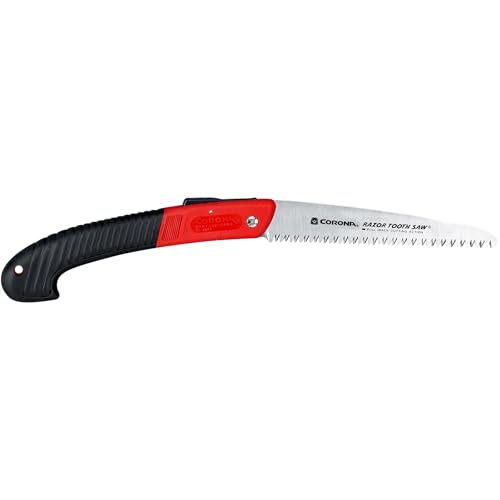
Corona RS 7041 Razor Tooth Folding Saw, 7-Inch (Red)

Hooyman Garden Tool Set with H-Grip Handles

Fiskars 28″ Garden Bypass Loppers, 1.5″ Cut

Fiskars Pro IsoCore Garden Pick, 5 lb / 36″

TABOR TOOLS GG12A Anvil Lopper with Compound Action

Root Hook Japanese Garden Tool for Loosening Soil
What Each Pick Brings To The Table
Most garden spades force you to stop digging, grab a saw, cut the root, and then keep digging. The Root Slayer 22311 Nomad flips that script: its serrated edge chews through small roots and tough growth the moment you push the blade into the soil, so a single motion does the cutting and the lifting.
Compared to the Fiskars axe coming up next, this is a quieter, lower-effort tool aimed at beds and borders rather than full tree felling. It earns its keep in weekend garden projects where a clean slice through a wandering root matters more than raw swing force.
Everyday Wins
- Serrated edge slices through thin surface roots while you dig, saving a tool swap.
- Compact size fits gardeners with smaller frames or limited storage space.
- Manual design needs no fuel, cords, or batteries, so it’s ready in any weather.
- Bright red finish tends to stay visible if you set it down in leaf litter.
Worth Noting
- Best suited to small and mid-sized roots; very thick taproots may still need a saw.
- The aggressive teeth can nick gloves, so a steady hand pays off.
- Steel head benefits from a wipe-down after wet soil work to slow surface oxidation.
Right Fit For
Home gardeners edging beds, dividing perennials, or working around shallow root mats on a regular weekend schedule.
Where Another Pick Suits Better
The TABOR TOOLS GG12A Anvil Lopper with Compound Action is a smarter match for dry, woody branches well above ground level where a spade can’t reach.
When the job calls for serious swing force, the Fiskars 28″ Chopping Axe steps in. The 28-inch handle gives enough length to build momentum without becoming unwieldy, and the blade’s low-friction coating helps it slide through fibers on contact.
For a homeowner dealing with small to mid-sized trees or stubborn above-ground roots, this axe offers a level of impact the spade and folding saw on this list simply can’t match. It’s a different kind of tool than the Root Slayer Nomad, focused on force rather than finesse.
What Works In Its Favor
- Optimized weight distribution increases swing speed, which multiplies impact at the bit.
- Low-friction coating helps the blade release cleanly, reducing stuck-in-the-log moments.
- Long handle reaches woody growth the loppers and folding saw can struggle to access.
Trade Offs
- More tool than most pruning work needs; overreach can damage the handle or your wrist.
- Sharp edge demands a sheath and a dry storage spot to stay safe and rust-free.
- Heavier swing is tiring on long sessions, so pacing matters.
Feature Snapshot
Made For
Property owners clearing small to medium trees and the thick woody roots that follow them, with enough room to swing safely.
Not Your Match When
The Corona RS 7041 Razor Tooth Folding Saw is the better call for overhead branch work where a long axe would be awkward to control.
The Corona Tools 13-Inch RazorTOOTH Pruning Saw is built around one idea: cut more wood per stroke so you finish sooner. The tri-sided teeth bite from multiple angles, which is the real reason it chews through limbs that ordinary saws stall on.
Where the Fiskars axe brings brute force, this saw trades noise and effort for control. It’s the right answer when a branch is too thick for loppers but you don’t want to drag out a chainsaw or a full-size bow saw.
Strong Points
- Three-sided tooth geometry pulls the blade through wood instead of skating on the surface.
- Curved 13-inch blade reaches into crotches where straight saws can’t get a clean angle.
- Single-hand use leaves the other hand free to steady the branch and avoid bark tear.
- Light enough for overhead work without exhausting your shoulder.
Points To Note
- Aggressive teeth can clog in sappy, fresh-cut wood, so a quick wipe mid-job helps.
- No folding mechanism, so it takes up more space in a bucket or pack than the RS 7041.
Who It Suits Best
Home orchard keepers and homeowners clearing limbs up to roughly seven inches across who want a hand-saw that feels closer to a power tool than a carpenter saw.
Look Elsewhere When
For campsite carry where every inch of pack space counts, the Corona RS 7041 Razor Tooth Folding Saw is a more pack-friendly alternative.
The Corona RS 7041 takes the same aggressive tooth pattern as the 13-inch pruning saw and tucks it into a folding 7-inch frame. When folded, the blade tucks safely into the handle, which is a quiet safety win for anyone carrying it in a pack or toolbox.
This saw is the trail-friendly sibling of the larger RS 7120. It won’t fell a tree, but for hikers, campers, and anyone tackling a tangle of small branches on the go, it pulls more than its weight.
Useful Strengths
- Folding design protects the blade and your fingers during transport.
- Pistol-grip handle reduces hand slippage when you’re pulling through green wood.
- Compact size earns a spot in a backpack or car trunk without dominating the space.
- Locking latch keeps the blade from folding mid-cut.
Minor Gripes
- 7-inch blade is honest about its limits: thick trunks still call for a bigger saw.
- Hinge mechanism benefits from occasional drying after wet work to stay smooth.
Quick Facts
Best Suited To
Campers, hikers, and casual gardeners who want a sharp, safe, packable saw for the occasional branch or thin root.
Skip It When
If your day is built around a long afternoon of limb clearing, the larger Corona Tools 13-Inch RazorTOOTH Pruning Saw will save real time.
The Hooyman set bundles a trowel, transplanter, and cultivator in one box, all with the brand’s no-slip H-grip handle. For a gardener whose root work happens around flower beds and small transplants rather than full tree removal, this is the kind of kit that quietly earns its place over seasons of use.
It’s a different animal than the Fiskars Pro IsoCore Garden Pick. That pick is built to break ground, while this set is built to work precisely inside it. Pair them and you cover both the heavy lift and the fine finish.
A Favorable Mix
- Three tools cover planting, weeding, and light root work without buying pieces separately.
- Steel heads stand up to compacted soil and the occasional root slice.
- Blade depth markings help you plant at consistent depths, which transplants respond to.
- H-grip design is easier on the wrist during long weeding sessions.
Honest Caveats
- Hand tools, not leverage tools: not the right answer for thick, woody roots.
- Steel heads benefit from a dry storage spot to prevent early rust.
Key Product Details
Whose Shelf It Belongs On
Active gardeners who do a mix of transplanting, weeding, and bed prep and want one set that handles all three.
Reach For A Different Pick When
The Root Hook Japanese Garden Tool is a tighter fit for bonsai work and single-pot root teasing where a full trowel is overkill.
For most yards, a 28-inch bypass lopper like this Fiskars model is the daily workhorse. The bypass action (two curved blades passing each other like scissors) makes cleaner cuts on live growth, which helps the plant heal faster than a smashed anvil cut.
It’s noticeably easier on green wood than the TABOR TOOLS GG12A anvil lopper, and quieter than any saw. The honest read is that a bypass lopper is the right starting tool before you reach for anything heavier.
Where It Delivers
- Bypass design slices green wood up to 1.5 inches without crushing the bark.
- Low-friction blade coating glides through sap-laden limbs cleanly.
- Non-slip grip stays planted when the wood is springy or freshly rained on.
- Long handles reach into the canopy without dragging out a ladder.
Things To Consider
- Designed for green wood; very dry, brittle branches may benefit from an anvil style.
- Sticky sap can build up; a quick rub with a cloth after use keeps the cut crisp.
Perfect Match For
Homeowners doing regular seasonal shaping on shrubs, fruit trees, and ornamental growth, where clean cuts actually matter for plant health.
A Better Fit Elsewhere
The TABOR TOOLS GG12A Anvil Lopper with Compound Action suits those cutting mostly dry, dead, woody material thicker than 1.5 inches.
The Fiskars Pro IsoCore Garden Pick is the tool you reach for when the ground has won every argument so far. A 5-pound head drives real impact, and the IsoCore shock-absorbing handle is built to keep that impact from rattling back into your elbows.
Where the Root Slayer Nomad relies on slicing through roots in soft soil, this pick breaks them up in hardpan or rocky ground. For trenching along a foundation or breaking a stubborn root ball loose, the extra weight is a fair trade.
Where It Helps
- Shock-control system noticeably softens the rebound on every strike.
- Flared handle base reduces the chance of the tool slipping in your grip mid-swing.
- Premium steel head keeps its edge and shape across hard use.
- Textured grip holds up in damp or muddy conditions.
Room For Improvement
- 5-pound head is heavy; not the right tool for quick, light jobs around flowers.
- Long handle takes up real wall space in a small shed.
Who Should Grab It
Serious DIYers and rural property owners breaking ground where the soil is rocky, compacted, or full of stubborn root masses.
Swap It Out When
For delicate transplant work around annuals, the Hooyman Garden Tool Set is a much easier and lighter everyday option.
The TABOR TOOLS GG12A is a different animal from the bypass lopper earlier on this list. Its compound action multiplies the force your hands put in, and the anvil-style blade traps dry branches against a flat plate for a decisive cut.
For dead, woody growth thicker than 1.5 inches, this is usually the smarter pick than a saw. The trade-off is a slightly rougher cut on living wood, which is why it’s a specialist rather than an everyday lopper.
Practical Pluses
- Compound action gives serious leverage without a bulky power head.
- 2-inch cut capacity handles growth the bypass lopper can’t reach.
- Carbon steel blade holds its edge across heavy seasonal use.
- 30-inch handle covers most shoulder-height cuts without a ladder.
Small Caveats
- Anvil design crushes live stems, so it’s not the right tool for shaping ornamental growth.
- Heavier than the bypass lopper, so longer sessions can tire forearms.
Built With In Mind
Rural homeowners, fruit growers, and anyone clearing deadwood and storm-damaged branches thicker than an inch and a half.
Consider Something Else When
The Fiskars 28″ Garden Bypass Loppers is a kinder choice on live shrubs where clean cuts influence regrowth.
The Root Hook Japanese Garden Tool is a single-claw hook made in Japan from chrome-plated steel, and it lives at the precise end of the gardening spectrum. Where most picks on this list cover yards and beds, this one is built for bonsai repotting and small transplant work where you want to tease soil away from fine roots without tearing them.
It’s not a tool for breaking ground; it’s a tool for protecting roots. That makes it a complement to a larger kit rather than a replacement for any of the picks above.
Where It Excels
- Single-claw design loosens soil around delicate roots without slicing through them.
- Japanese steel construction balances hardness with a comfortable weight.
- Chrome plating adds corrosion resistance, useful in damp potting mixes.
- Compact size reaches into shallow bonsai pots and tight containers.
Factors To Consider
- Narrow specialty purpose: limited usefulness in a standard backyard tool kit.
- Single-claw shape demands a gentle touch to avoid snapping fine roots.
Who Will Love This
Bonsai enthusiasts, indoor plant collectors, and detail-oriented gardeners repotting or transplanting smaller specimens on a regular basis.
Where A Sibling Pick Shines
For broader bed work where you’re moving more soil than teasing it, the Hooyman Garden Tool Set covers the same gentle intent at a larger scale.
Choosing The Right Cutting And Digging Tool For Your Yard
Picking the right tool starts with honestly naming the job. Slicing through a thin root while you dig a planting hole is a different task than felling a six-inch sapling, and the tools that excel at one often fail at the other. A spade with a serrated edge is a quiet multitasker; a saw or lopper is a focused specialist.
Match the blade to the wood. Bypass loppers (two curved blades that pass each other like scissors) give the cleanest cut on green growth, which is what living shrubs and fruit trees respond to. Anvil loppers trap wood against a flat plate and crush more than slice, so they suit dry, dead, woody branches where a clean living cut isn’t the priority. Saws like the Corona RazorTOOTH line step in when branches exceed a lopper’s reach.
Think about reach and leverage before weight. A long-handled tool can save a ladder, but a heavy head can wear out a wrist before the job is half done. Tools like the Fiskars Pro IsoCore Pick add weight for breaking hardpan, then give it back through shock absorption. Hand tools like the Hooyman set and the Root Hook trade leverage for precision, which is exactly what transplant work needs.
Consider storage and frequency. A folding saw lives in a kitchen drawer or truck bin; a 36-inch pick earns wall space in a shed. Daily gardeners can justify more dedicated tools, while weekend occasional users often do better with a versatile spade and one quality lopper.
Don’t overlook the small stuff. Chrome plating, low-friction coatings, and impulse-hardened teeth all affect how long a tool stays sharp and how often it needs cleaning. A quick wipe after wet soil work is the cheapest habit that protects any of the picks above.
Key Considerations Across These Picks
Mistakes Worth Dodging
Reaching for the biggest tool first is the most common slip-up in this category. A 28-inch axe on a half-inch branch is wasted energy and unnecessary risk, while a hand trowel on a 2-inch root will only frustrate you. Match the tool to the size of the wood in front of you, and you’ll work faster with less strain.
Ignoring the difference between live and dead wood is the other frequent miss. Bypass blades protect the cambium layer (the thin growing tissue just under the bark) on living plants, and anvil blades crush it. The right tool here is a small decision that compounds across every cut in a season.
When Paying More Pays Off
Higher-tier models in this category tend to add real engineering rather than just finish. IsoCore shock control, low-friction coatings, and impulse-hardened teeth each solve a specific pain point: vibration, sticking, and dulling. When you spend a long day in the garden, those upgrades earn their keep quickly, especially for users with joint concerns or larger properties. For a small herb bed and a single bush, a basic trowel and lopper cover the same ground at a friendlier entry cost.