Vinyl siding is one of the more forgiving exterior claddings to work with, but it punishes a sloppy cut. A wrong angle, a wandering blade, or a cracking panel can leave you with a pile of expensive waste and a wall that refuses to look straight. The right cutting tool depends on whether you’re trimming a full-length panel, slicing a narrow J-channel, notching around a window, or just scoring off a couple of inches from a soffit piece. This guide focuses on the rotary wheels, shears, and digital cutters that handle vinyl cleanly, plus a few installation aids that keep your measurements honest while you work. Whether you’re a first-time DIYer or a contractor running jobs back-to-back, here’s what fits your hands and your workflow.
The Main Contenders
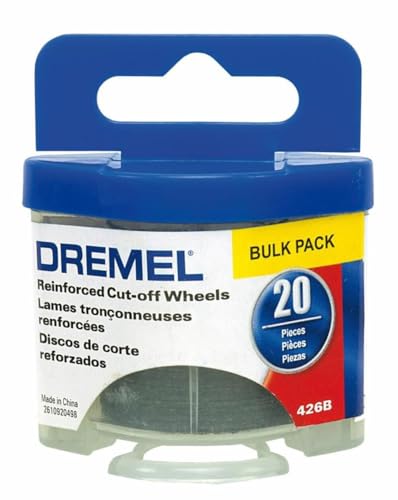
Dremel 426B 20-Piece Rotary Cutting Discs
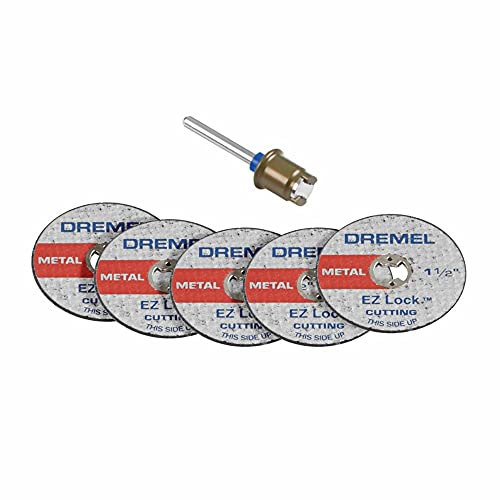
Dremel EZ406-02 EZ-Lock Starter Kit

C.JET TOOL 8″ Heavy-Duty Carpet Cutter

Dremel EZ456 1-1/2″ Fiberglass Cut-Off Wheels

Siser Romeo High-Definition 24″ Cutter
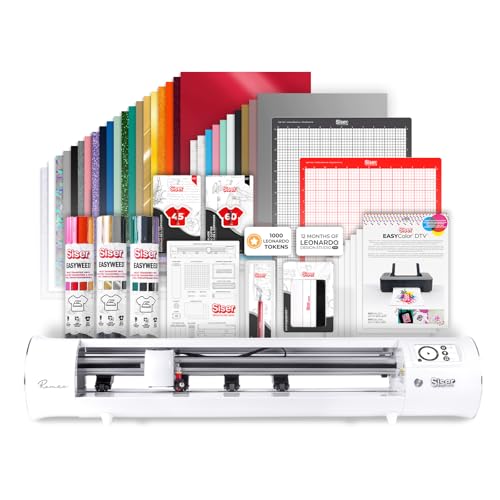
Siser Romeo Essential Bundle 24″ Cutter
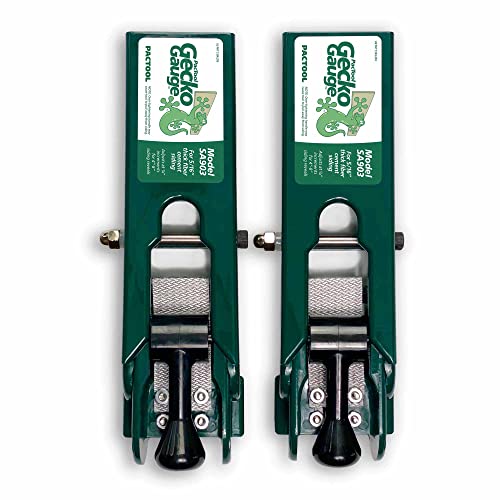
PacTool Gecko Gauge Fiber Cement Kit

PacTool Gecko Gauge Fiber Cement & Engineered Wood
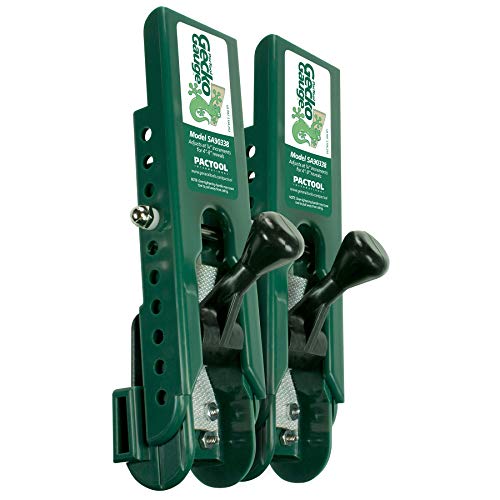
PacTool Gecko Gauge LP Wood Siding Tool 2-Pack
A Deeper Look At The Lineup
For sheer volume per dollar, the Dremel 426B stack of twenty thin cut-off wheels is hard to argue with. Each disc measures 1-1/4 inches across and roughly 0.045 inches thick, sized for the brand’s standard rotary collet system. They spin through soft metals, drywall, and rigid vinyl without much fuss when paired with a steady hand.
Most DIYers keep a handful of these in a coffee can for odd jobs that come up between full renovation projects. They also pair well with a cordless Dremel for trimming around window trim or slicing a narrow J-channel strip down to size.
Good Reasons To Consider
- Twenty wheels in a single pack stretches the budget across a season of small fixes
- Thin 0.045-inch profile slices cleanly through thin vinyl without chipping the edge
- Standard 1-1/4-inch diameter fits most rotary tool collets without an extra mandrel
- Fiberglass reinforcement holds up under hand pressure when cutting soft trim pieces
- Works on mixed material piles, useful when a job moves between metal flashing and PVC trim
Trade-Offs To Weigh
- Twenty wheels means most will dry out or dull before you use them, depending on storage
- Smaller 1-1/4-inch diameter means more passes on a full 12-foot siding panel
Who It Suits Best
Homeowners who own a Dremel and want a low-cost refill that handles occasional siding touch-ups and a dozen other small cuts around the house.
Look Elsewhere When
You’re trimming full-length panels all day, where the Dremel EZ456 1-1/2″ cut-off wheels give you more bite per pass.
The EZ-Lock system replaces a screw-on mandrel with a pull-and-twist mount, so swapping a fresh wheel takes seconds instead of hunting for a wrench. The starter kit ships with five EZ456 cut-off wheels and the mandrel, giving you everything to load the tool and start cutting in one stop. It is genuinely the cleanest entry point if you have never held a rotary tool before.
On a vinyl siding job, the time saved on wheel changes adds up fast. Pull, twist, drop, and you’re back to the cut without taking your eye off the pencil line.
The Practical Payoff
- Tool-free wheel changes keep the workflow smooth on ladders or in tight soffit corners
- Five EZ456 wheels share the brand’s longer-life fiberglass formula, so they last beyond a single use
- Mandrel included in the kit means no extra trip to the retailer before the first cut
Honest Caveats
- Only five wheels ship in the box, which adds up fast on bigger siding runs
- EZ-Lock mandrel is specific to this mount, so the kit is less useful if you want compatibility with older screw-on wheels
Right Fit For
First-time rotary tool users who want a no-fuss setup that gets them cutting cleanly on day one.
A Better Fit Elsewhere
High-volume contractors, who’ll prefer the Dremel 426B 20-pack for the deeper wheel supply at lower per-disc cost.
Not every siding job wants a spinning disc, and that’s where the C.JET TOOL 8-inch heavy-duty cutter earns its keep. The stainless steel blade holds a long, straight edge for slicing soft sheet goods, and the soft-grip handle keeps your wrist steady across a full-length cut. You bring the muscle, the tool brings the geometry.
For trim pieces, vapor barrier, and thinner vinyl accessories, a manual shear like this avoids the dust and noise of a power tool. It also works in cold weather, when cordless batteries lose their punch.
Why It Works Well
- No power source means one less battery to charge and one less cord to drag across a yard
- Stainless steel blade resists rust during long storage in a damp garage or truck bed
- Soft-grip handle reduces hand fatigue on long straight cuts
Possible Compromises
- Manual cutter requires more physical effort than a rotary tool on rigid, thick vinyl panels
- Blade will dull with heavy use and needs eventual replacement to keep cuts clean
Best Suited To
DIYers cutting thin vinyl trim, soffit, and accessory pieces where a quiet, no-cord option fits the workspace better than a powered tool.
Where Another Pick Suits Better
Anyone trimming full rigid panels should reach for the Dremel 426B Rotary Tool Cutting Discs and a rotary tool for a faster, less tiring cut.
The EZ456 steps up to a 1-1/2-inch working diameter, which translates to more bite on each pass. Built for the EZ-Lock mandrel, the wheel pulls off without tools, and the fiberglass reinforcement handles hardened steel alongside softer vinyl and plastic.
On a siding project, the larger wheel reduces the number of strokes needed to score a full panel. For anyone who already runs an EZ-Lock rotary, this refill pack slides into the same workflow without changing technique.
Strengths Worth Knowing
- Larger 38.1mm wheel diameter covers more surface per pass than the 426B
- Fiberglass reinforcement extends service life, so each wheel survives longer cuts
- Cuts through thin wood, ceramic, and plastic in addition to vinyl
Soft Spots
- Five-wheel pack runs out fast on multi-day siding installs
- Requires the EZ-Lock mandrel sold in the starter kit or separately
Feature Snapshot
Whose Shelf It Belongs On
Contractors and serious DIYers running an EZ-Lock rotary who want fewer passes per cut on rigid panels.
Consider Something Else When
You don’t yet own a Dremel with the EZ-Lock collet, in which case the Dremel EZ406-02 EZ-Lock Starter Kit bundles the mandrel you need.
The Siser Romeo is a different animal from the rotary tools above. It’s a 24-inch digital cutting plotter, the kind you’d find in a sign shop or craft production studio. WiFi compatibility with Windows and Mac plus the bundled Leonardo Design Studio software turn a vinyl sheet into a routed design with clean, repeatable edges.
For vinyl lettering, decals, and heat-transfer graphics, the Romeo handles bulk cutting that a hand tool cannot touch. The roll holder accessory keeps the material flat and feeding straight.
Points In Its Favor
- 24-inch cutting width handles oversized sign and panel projects in a single pass
- WiFi connectivity removes cable clutter between the cutter and your computer
- Leonardo Design Studio software comes bundled, lowering the upfront cost
Where It Is Less Suited
- Not a substitute for a hand tool when trimming full exterior siding panels on a house
- Larger footprint requires dedicated desk or bench space in a workshop
Who Will Love This
Small sign shops and craft producers cutting vinyl sheets, heat transfer material, and paper at volume.
Skip It When
You’re doing exterior siding repairs, where the Dremel 426B Rotary Tool Cutting Discs and a handheld rotary tool cover the actual work.
The Essential Bundle pairs the same Romeo 24-inch cutter with the software and roll holder, giving you a complete out-of-box setup. Where the standard Romeo focuses on the hardware, the bundle trims the shopping list for anyone starting fresh.
For a small business owner, that means one purchase covers the cutter, the design software, and the material feed. For a hobbyist, it means no separate trips to track down compatible software licenses.
The Upside
- Bundled accessories mean you cut the learning curve on setup and software pairing
- Open workspace design keeps long vinyl rolls feeding flat and straight
- On-board controls for force and speed let you tune cuts for different materials
A Few Limitations
- Bundled price runs higher than buying the cutter alone
- Still oversized for anyone only cutting short vinyl patches at home
Feature Rundown
Perfect Match For
New shop owners and serious hobbyists who want a turnkey vinyl cutting setup without hunting down add-ons.
Not Your Match When
You already own the standard Siser Romeo High-Definition 24″ Cutter and only need refill material.
The Gecko Gauge isn’t a cutter, but it lives on every siding tool list because it solves a frustrating problem: holding the next course of siding level while you fasten it. Two clamps act as an extra pair of hands, supporting 5/16-inch fiber cement boards while you work the fasteners.
On a long wall run, the gauge saves real time and keeps reveals consistent without pencil lines and tape measures every few feet. It is the kind of tool you don’t know you need until you have it on a ladder.
Practical Pluses
- Supports fiber cement boards for one-person installation without a helper on the ladder
- Two clamps included so you can stage the next board while finishing the current one
Things To Consider
- Calibrated for 5/16-inch fiber cement, so it doesn’t fit thicker or thinner profiles
Made For
Solo installers working on fiber cement siding who want a steady, level reveal without juggling boards and fasteners.
Reach For A Different Pick When
You’re installing engineered wood siding, where the PacTool Gecko Gauge Fiber Cement and Engineered Wood tool covers both materials.
The newer Gecko Gauge extends the original design to handle both fiber cement and engineered wood siding, including full 12-foot Hardie boards and 16-foot LP SmartSide planks. One tool covers two popular siding types without swapping clamps or recalibrating your workflow.
For contractors and ambitious DIYers, that flexibility removes the need to buy two separate gauges for different jobs. The clamp design supports longer planks, which cuts the number of repositioning stops on tall walls.
Where It Excels
- Works across fiber cement and LP SmartSide engineered wood without swapping tools
- Supports full 12-foot and 16-foot planks, so you stage longer courses in one shot
- Designed for one-person operation, which is helpful on ladder work
Points To Note
- Longer support span means slightly more weight on the wall during setup
Built With In Mind
Contractors and remodelers who install both fiber cement and engineered wood siding on the same or successive jobs.
Another Choice May Suit
Homeowners only working with 5/16-inch fiber cement, who can save cost with the original PacTool Gecko Gauge Fiber Cement Kit.
This 2-pack ships the LP-specific Gecko Gauge clamps tuned for 3/8-inch LP siding products. Two gauges in the box let you position the next course on both ends of the wall at the same time, which keeps long reveals honest across the entire run.
For remodelers running a full LP SmartSide install, doubling up on the gauge removes the most common complaint: the middle of the wall drifting out of level between two end points.
Positive Takeaways
- Two clamps in the box let you stage both ends of a wall at once for accurate reveal
- Calibrated for 3/8-inch LP siding, which is one of the more common engineered wood thicknesses
Some Limits To Know
- Only fits 3/8-inch LP products, so it does not work on thinner or thicker profiles
Who Should Grab It
Remodelers and contractors installing full LP SmartSide walls who want matched end-to-end reveals without a helper.
Swap It Out When
You work with mixed siding types, where the PacTool Gecko Gauge Fiber Cement and Engineered Wood tool covers a broader range.
Choosing The Right Cutting Method For Your Siding Project
The right tool starts with the material thickness, the length of the cut, and how much detail you need to preserve. Vinyl panels sold at home centers typically run 0.040 to 0.046 inches thick, and they cut cleanly with sharp rotary wheels or aviation snips. Thicker cellular PVC trim calls for a coarser tooth count and slower feed to avoid melting the edge, while fiber cement requires a different category of tool entirely, often a scoring snap or a powered shear with a dust collection port.
Cutting method matters as much as the blade. Score-and-snap tools like a utility knife work for straight cuts on thin vinyl when you want zero noise and minimal dust. Rotary tools with fiberglass cut-off wheels excel at notches, curves, and L-cuts around windows. Manual shears handle long straight runs without a power source, which helps on long exterior walls far from an outlet.
The volume of cutting shapes your pick too. A single repair panel needs one tool, while a full re-siding project may justify a starter kit plus a bulk wheel refill. Match the wheel diameter to the cut profile: 1-1/4-inch wheels fit tight corners, while 1-1/2-inch versions slice faster across open panels.
For sign and craft vinyl, the cutting decision is digital, not mechanical. A plotter like the Siser Romeo handles graphics and lettering with a precision hand tool cannot match. Those machines don’t replace a siding saw, but they sit in a different corner of the same workshop.
Smart Choices Before You Commit
Pitfalls Shoppers Hit
A common slip is buying the smallest pack of cut-off wheels to save a few dollars, then running out mid-project. On a 1,500-square-foot siding job, you can easily burn through twenty wheels between scoring, notching, and trim cleanup. A second mistake is picking a wheel diameter that doesn’t match your rotary collet, which forces a frustrating adapter hunt right when you want to start cutting. Last, ignoring material compatibility, like reaching for a steel-rated cut-off wheel on ceramic tile, can chip the work or burn the disc in seconds.
Where The Extra Money Goes
The bump from a 5-pack to a 20-pack lowers your per-wheel cost noticeably and means fewer reorder interruptions. EZ-Lock mounts and fiberglass-reinforced wheels cost more because the wheel survives longer cuts and the mandrel system saves time on changes. On the digital side, a higher-tier plotter adds a wider cutting width, faster head movement, and bundled software, which together cut production time on every job. The upgrade pays off when you run enough volume to feel the saved minutes, not on a one-off craft project.