A vinyl floor can look simple until the first plank refuses to fit against the wall. At that point, the choice is a noisy miter saw blowing dust everywhere, or a purpose-built floor cutter that shears the material in a quiet, single stroke. The eight tools below cover the range from weekend bathroom projects to multi-room installs, and each one solves a slightly different problem on the jobsite.
An Overview Of The Picks

CUTTEREX 13″ Vinyl Floor Cutter with Wheels

WORKPRO 13″ Laminate Floor Cutter
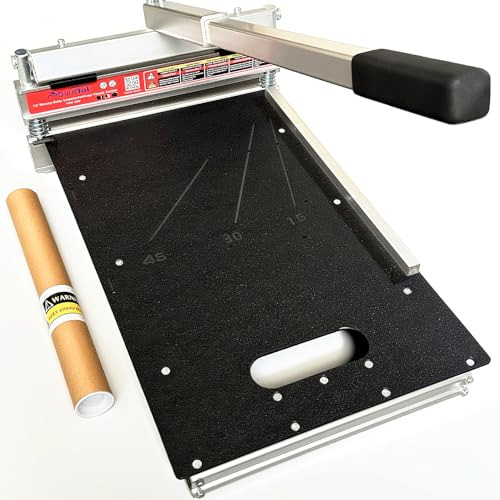
MANTISTOL 13″ Laminate/Vinyl Plank Cutter
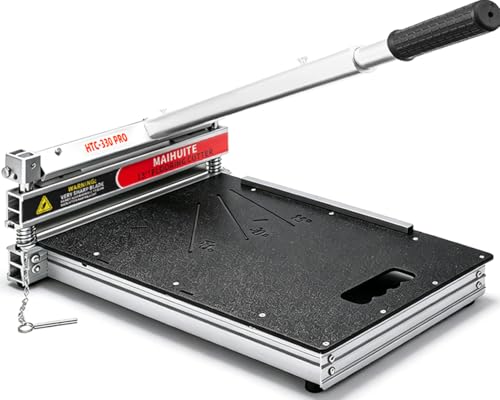
MAIHUITE 17mm Heavy Laminate Floor Cutter

MANTISTOL 20″ Pro Max Vinyl Floor Cutter
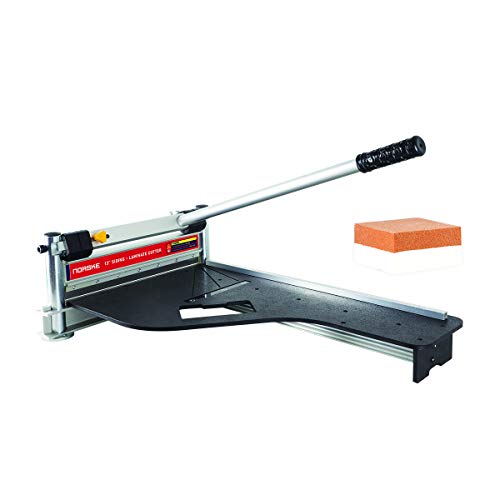
Norske Tools NMAP001 13″ Laminate Cutter

NAACOO 13″ Laminate Floor Cutter with Wheel

MAIHUITE 13″ Pro Vinyl Floor Cutter (8.5mm)
Taking A Closer Look At The Options
The CUTTEREX 13″ cutter stands out because it pairs a wide material capacity with onboard wheels, so you can roll it between rooms without hauling it back to the truck. For most homeowners, that mobility is the difference between a tool that gets used and one that stays in a closet.
It handles engineered wood, LVP, VCT, SPC, WPC, and rubber cove base up to roughly 5/8″ thick, which covers the bulk of rigid and semi-rigid flooring on the market. Multi-angle and length cuts are handled in a single pass, removing the second step you usually need for a mitered end.
A Strong Showing
- Built-in wheels for moving it around a room or between floors
- One-step multi-angle and length cutting saves a measurement pass
- Works across LVP, LVT, SPC, WPC, VCT, engineered wood, and rubber cove
- 13″ width covers standard plank flooring without trimming first
Worth Noting
- At nearly 5/8″ capacity, very thick engineered hardwood may push the limit
- Heavier than basic 13″ cutters, so storage takes a corner, not a shelf
Feature Snapshot
Who It Suits Best
DIYers working through a whole-home project with mixed flooring types benefit most from the material range and the wheels.
Consider Something Else When
The Norske Tools NMAP001 13″ Laminate Cutter is a better match for anyone who needs a fixed fence and precise miter gauge for trim and finish work.
The WORKPRO 13″ cutter is a sensible entry point for a first-time installer. The ABS cutting table and aluminum frame keep weight manageable, so you can set it on a folding workbench and still have room to maneuver a plank around it.
It cuts laminate, vinyl plank, multi-layer flooring, parquet, fiber cement panels, and rubber cove base up to 13″ wide and 5/8″ thick. For a single bathroom or hallway, that range covers what most boxes of LVP actually ship in.
Good Reasons To Consider
- Tungsten steel blade holds an edge through room-scale installs
- ABS table and aluminum frame keep the price accessible
- Cuts the same materials that costlier 13″ models handle
Trade Offs
- No built-in wheels, so you carry it between rooms
- ABS base is lighter than all-metal options and may flex under heavy push cuts
- For daily jobsite use, a heavier steel-frame model outlasts it
Right Fit For
First-time floor installers handling a single room get the most out of the WORKPRO’s material range without paying for features they won’t use.
Look Elsewhere When
The MANTISTOL 13″ Laminate/Vinyl Plank Cutter is the better call for anyone expecting to make hundreds of cuts per week on a job.
The MANTISTOL 13″ cutter earns its heavy-duty label from a steel frame paired with heavy-duty aluminum, which gives the bed a sturdier feel than the lighter WORKPRO sitting above it. For anyone who has seen a thin table flex mid-cut, that rigidity is the whole point.
It handles laminate, parquet, engineered hardwood, solid wood, deck boards, fiber-cement siding, rubber cove base, and the full vinyl family up to 13″ wide and roughly 1/2″ thick. A 4mm tungsten steel blade ships with the unit, and a 600-grit hone stone is included for keeping the edge fresh.
Noteworthy Benefits
- Steel-and-aluminum construction resists flex during heavy cuts
- Replacement blade and hone stone ship in the box
- Single-step angle cuts at 15, 30, and 45 degrees
- Cuts siding and deck boards alongside flooring materials
Points To Keep In Mind
- Max thickness tops out near 1/2″, lower than the 5/8″ rivals
- Heavier frame means two hands to move it around a room
Best Suited To
DIYers planning a full-house install, plus light-pro remodelers who need one tool to span flooring and trim work.
Skip It When
The CUTTEREX 13″ Vinyl Floor Cutter with Wheels is the smarter choice for anyone with a multi-floor layout who needs to roll the tool rather than carry it.
The MAIHUITE 17mm cutter goes after the gap left by 5/8″ models: thicker engineered planks and rigid-core boards that exceed a standard cutter’s limit. The “upgrade stability” framing in the name refers to a reinforced bed that resists rocking under deeper cuts.
It reaches 13″ wide and 17mm thick, with angle cuts at 0, 15, 30, and 45 degrees for straight runs, baseboard trimming, and patterns like herringbone. Compared to the WORKPRO above, you give up portability and gain the headroom for premium planks.
Everyday Wins
- 17mm depth handles thick rigid-core and engineered planks
- Reinforced bed adds stability for long cuts
- Four angle stops cover most common miter work
Honest Caveats
- Larger footprint than a standard 13″ cutter, so it needs floor space
- For a single thin LVP room, you are paying for capacity you won’t use
Who Will Love This
Homeowners installing premium rigid-core or thick engineered planks get the headroom they need without forcing the cut.
Reach For A Different Pick When
The MANTISTOL 20″ Pro Max Vinyl Floor Cutter is the better call for installers who need both extra width and 17mm depth for wide-plank work.
The Tomahawk Series 20″ is built for jobs where the 13″ class simply cannot keep up. Aircraft-grade aluminum and a wider 20″ bed let you push through wide-plank and engineered hardwood without trimming first.
It cuts engineered hardwood up to 1/2″ thick at 1250 Janka (a hardness scale where higher numbers mean denser, tougher wood), laminate, HDF, MDF, LVP, LVT, VCT, SPC, RVP, WPC, PVC, fiber cement board, and rubber cove base. Max width is 20″ and max thickness hits 11/16″ (17mm).
Features That Help
- 20″ capacity handles wide-plank layouts in a single pass
- Aircraft-grade aluminum body holds shape under repeated use
- Engineered hardwood rated to 1250 Janka covers most species you’ll stock
- Commercial warranty protection included through the retailer
Potential Drawbacks
- Large footprint, so transport and storage take planning
- Higher cost than 13″ models, harder to justify for one-room DIY jobs
Built With In Mind
Professional flooring installers and serious remodelers running room after room benefit most from the 20″ bed and Janka rating.
A Better Fit Elsewhere
Homeowners tackling a single bathroom are better served by the MAIHUITE 17mm Heavy Laminate Floor Cutter, which costs less and stores more easily.
The Norske NMAP001 has been on the market long enough to feel like the reference point that other 13″ cutters get compared against. Its heavy-duty fixed aluminum fence stays rigid under load, which is what gives the cut its repeatable feel.
It cuts laminate flooring, fiber cement board (Hardieplank, Cemplank), engineered wood, and vinyl siding up to 13″ wide and 19/32″ thick. A built-in table miter gauge handles angled cuts, and the extended handle increases leverage for cleaner shears.
The Helpful Details
- Fixed aluminum fence holds position for repeatable cuts
- Extended handle increases leverage, reducing hand fatigue
- Handles fiber cement siding alongside flooring materials
- Clean, splinter-free finish on laminate and engineered wood
Where It May Fall Short
- Vinyl-only buyers may not need its siding capability
Perfect Match For
Detail-oriented installers and finish carpenters who need a reliable miter gauge for trim and transition cuts get strong value here.
Swap It Out When
The MANTISTOL 13″ Laminate/Vinyl Plank Cutter is a stronger pick for anyone focused strictly on floors and expecting high cut counts.
The NAACOO 13″ cutter keeps things simple for anyone who needs to get a floor down without a learning curve. Aluminum alloy and HDPE (high-density polyethylene, a tough, lightweight plastic) keep the weight low enough to carry up a staircase in one trip.
It cuts laminate and vinyl plank up to 13″ wide and 13mm thick, with angles at 0, 15, 30, and 45 degrees. There is no electricity, no noise, and no dust, which is a real plus in a finished living space where you cannot run a miter saw indoors.
Real Benefits
- Manual operation means no cords, no dust, and no noise
- Lightweight aluminum and HDPE build is easy to carry
- One-step angle and length cuts shorten the measurement pass
Practical Considerations
- 13mm max thickness limits it to thinner LVP and laminate
- Manual pressure required, so very dense material can be tiring
The Right Fit
First-time installers working on a bedroom or office floor get a tool that is forgiving and quiet enough for occupied homes.
Another Choice May Suit
The WORKPRO 13″ Laminate Floor Cutter is the better match for anyone who wants the same manual approach but with a slightly broader material range.
The MAIHUITE 8.5mm cutter is built with a strict material filter: vinyl only. The blade and pressure geometry are tuned for SPC, LVP, LVT, WPC, RVP, VCT, PVC, and rigid core vinyl. That focus is the trade-off, and the upside is cleaner edges on these specific boards.
It cuts up to 13″ wide and 8.5mm thick, with straight cuts, angle cuts, and L- and U-shaped notches for door jambs and pipe penetrations. An extra blade ships in the box, and the high-speed steel edge is adjustable for repeat work.
The Value In It
- Engineered specifically for vinyl-based flooring, so edges stay clean
- Extra replacement blade included in the box
- L- and U-cut capability for door jambs and obstacle work
Where It Is Less Suited
- Not compatible with laminate, hardwood, or porcelain tile, so mixed-material jobs need another tool
- 8.5mm cap rules out thicker rigid-core planks that other cutters handle
Whose Shelf It Belongs On
Installers working exclusively with rigid-core LVP and SPC benefit most from the vinyl-only design and the L- and U-cut geometry.
Not Your Match When
The CUTTEREX 13″ Vinyl Floor Cutter with Wheels is the smarter pick for mixed-material projects that include engineered wood or rubber cove base.
What Matters Most Before Choosing Tools To Cut Vinyl Tile
Material Range and Thickness Headroom
The single biggest decision is whether your cutter matches the thickest plank in the stack. Standard LVP and laminate tend to land between 4mm and 8mm, but rigid-core and engineered wood can climb to 17mm. A cutter that is rated to your thickest material saves you from a stalled job halfway through the hallway.
Manual Versus Powered Operation
Every tool on this list is a manual shear (a hand-powered blade that cuts by pressure, not a spinning motor), which is exactly what makes them quiet and dust-free. The trade-off is hand fatigue on dense material, so if you are facing a 1,000-square-foot install, look for an extended handle and a bed that resists flex.
Angle and Miter Capability
Most rooms need straight cuts, but doorways and transitions demand angles. Cutters that stop at 0 and 90 degrees cover basics, while those with stops at 15, 30, and 45 degrees handle baseboard miters and pattern work like herringbone without a second tool on the bench.
Size, Weight, and Storage
A 13″ cutter is comfortable to store on a closet shelf, while a 20″ commercial model wants a corner of the garage. If you are working across multiple floors, a model with built-in wheels, like the CUTTEREX, removes the carry from the workflow and tends to get used rather than borrowed from a neighbor.
Smart Choices For A Smoother Project
Common Shopping Slip Ups
The most common error is buying a cutter rated to 5/8″ thick and then discovering the actual planks are 12mm or 17mm rigid core. The fix is straightforward: measure the thickest plank in your stack before browsing, and add a margin of 2 to 3mm. The second slip is assuming every cutter handles fiber cement siding or rubber cove, which only the broader models like the Norske NMAP001 cover.
Where The Extra Money Goes
Higher-tier cutters spend the budget on a steel or aircraft-grade aluminum bed, a longer handle for leverage, and a tungsten or HSS blade that holds its edge through hundreds of cuts. For a one-room DIY, a value pick like the WORKPRO is enough. For multi-room or contractor work, the upgrade pays back in fewer blade swaps and less drift on long cuts.