A dull blade chews through hedge growth, leaving ragged tips that brown within days and invite disease into your shrubs. Sharpening tools fix that problem, and a quick touch-up between trims keeps every cut as clean as the first one you made on planting day. The picks below cover a range of approaches, from compact hand-held sharpeners that fit in a back pocket to telescoping shears built for taller reaches. Use this list to match the right tool to the kind of cutting you actually do in your yard.
A Side-By-Side Look
PickWhy We Picked ItBest ForAction
Garden Choice
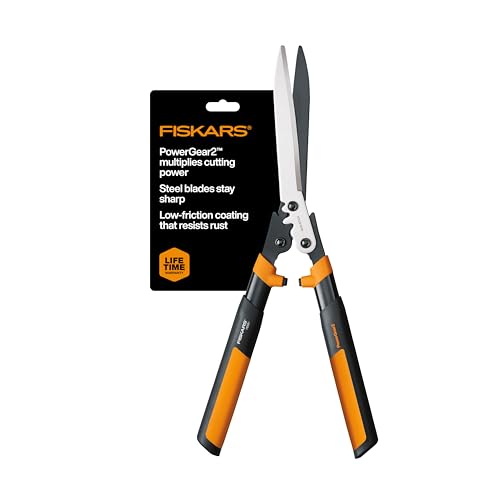
Fiskars 23″ PowerGear2 Garden Hedge Shears 10″ Blades
Leveraged cutting power
Everyday hedge shaping

Dependable Option
Fiskars 23″ PowerGear Garden Hedge Shears 10″ Stainless Blades
Corrosion-resistant blades
<Damp climates and storage sheds
Frequent-Use Pick
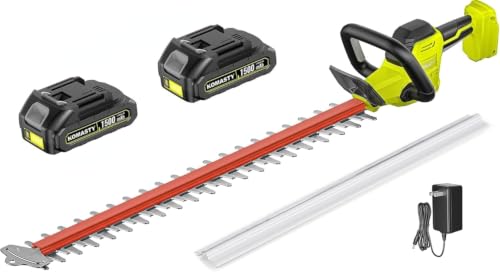
22″ Cordless Hedge Trimmer 20V Dual-Action Blades
Battery-powered convenience
Larger yards and quick jobs

Helpful Choice
Fiskars 25″-33″ Power-Lever Extendable Hedge Shears 10″ Blades
Adjustable reach for tall hedges
Tall and wide hedge lines

Low-Fuss Pick
Fiskars 23″ Power-Lever Hedge Shears Self-Sharpening Blades
Built-in edge maintenance
Owners who skip regular sharpening

Utility Pick
TWSURE Pruning Shear Blade Sharpener Rust Remover
Tungsten carbide sharpening edge
Restoring dull blades fast
Compact Choice
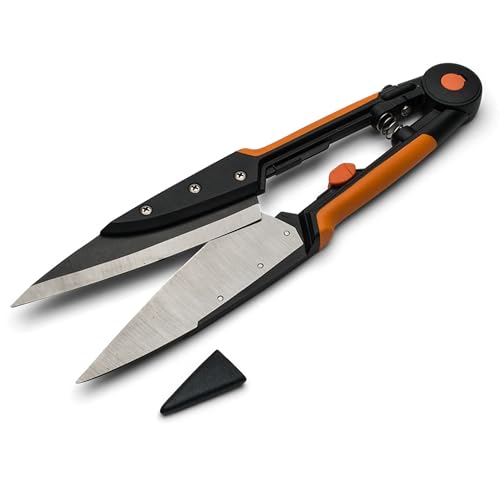
Kings County Tools Garden Clippers Grass Cutter Shears
Lightweight one-hand control
Edging and detail trimming
Why These Options Stand Out
Long reaches across the top of a privet hedge call for a tool that multiplies your wrist strength rather than fights it. The PowerGear2 system on these Fiskars shears uses a geared pivot to convert hand motion into roughly twice the cutting force of a standard scissor-style shear, which matters most when the branches push past a quarter inch.
For homeowners managing a few boxwoods and a row of foundation shrubs, the 10-inch precision-ground steel blades cover enough ground per stroke to keep shaping sessions quick. Compared to the cordless KOMASTY trimmer covered later, this manual option runs silent, needs no charging routine, and slips into a shed without a care.
Bright Spots
- ✓Gear-driven pivot multiplies hand force for thicker twigs
- ✓Precision-ground steel edges hold sharpness across long sessions
- ✓Light enough to use overhead without shoulder fatigue
- ✓No batteries, fuel, or cord to manage mid-task
Worth Noting
- •Manual effort grows with hedge size, so very long runs tax wrists
- •Steel blades benefit from a light oil wipe after damp use to prevent surface oxidation
Who It Suits Best
Homeowners with a modest hedge line who prefer quiet, cable-free shaping and want leverage on tougher cuts without motor noise.
Not Your Match When
The Kings County Tools Garden Clippers suit you better if most of your work is light edging rather than full-hedge shaping.
Sheds in coastal regions punish ordinary steel with rust freckles within a season. The stainless blade construction on this PowerGear model resists that corrosion, so you can leave the shears by the back door without the same anxiety you’d carry with carbon steel. The non-circular gearing multiplies leverage the same way the PowerGear2 version does, just in an earlier-generation housing.
For shaping ornamental shrubs and touching up privet, the cutting action feels notably easier than a basic scissor shear, and the 10-inch length reaches well into the middle of most bushes. Compared to the Fiskars PowerGear2 covered above, you trade a slightly lighter feel for corrosion resistance that rewards careless storage habits.
Standout Benefits
- ✓Stainless steel blades shrug off humid and damp conditions
- ✓Patented gearing boosts cutting power over standard shears
- ✓Forgiving for gardeners who forget to dry tools after use
Trade Offs
- •Stainless steel takes a few extra passes to bring back to a razor edge once dulled
- •Older gearing design feels slightly heavier in the hand than the PowerGear2 update
Best Suited To
Gardeners in wet climates or anyone storing tools in an unheated shed where condensation builds overnight.
Look Elsewhere When
The TWSURE Pruning Shear Blade Sharpener is the smarter pick if you want a dedicated tool to restore edges rather than a corrosion-resistant shear to start with.
When the hedge runs the length of a property and manual shears would take an entire Saturday, a cordless trimmer changes the math. The 22-inch dual-action blade cuts on both directions of the stroke, which roughly doubles the effective cutting speed and trims vibration noticeably compared to single-action designs. Two included batteries let you finish a large yard without sitting around waiting for a recharge.
The 20V platform sits in a comfortable weight class for overhead work, though you may feel some arm fatigue during extended sessions above shoulder height. Compared to the Fiskars manual shears earlier in this list, this KOMASTY tool is built for volume rather than detail work, and the difference shows the moment you face a 50-foot run.
Noteworthy Benefits
- ✓22-inch hardened steel blade covers wide passes in fewer strokes
- ✓Dual-action cutting reduces vibration and halves the work per cut
- ✓Two batteries keep you moving on larger properties
- ✓Cordless design removes the tripping risk of extension cords
Points To Keep In Mind
- •Hardened steel still needs periodic sharpening with a dedicated tool like the TWSURE sharpener
- •Lithium batteries lose capacity over years, so replacement planning matters
- •Heavier than manual shears during long overhead sessions
Right Fit For
Homeowners with long hedge runs, frequent trimming schedules, or anyone who would rather not spend a full day on manual shaping.
A Better Fit Elsewhere
The Fiskars 25″-33″ Power-Lever Extendable Garden Hedge Shears make more sense for tall, narrow hedges that only need occasional touch-ups.
Reaching the top of a six-foot yew without a ladder is the whole reason extendable shears exist. The telescoping handles on this Fiskars model slide from 25 to 33 inches, and the flip-lock mechanism holds position securely mid-cut. The Power-Lever pivot multiplies hand force so the added reach does not translate into a workout for your shoulders.
Hardened steel blades with a serrated edge grip branches during the cut, which keeps taller growth from sliding away as you close the blades. Compared to the standard 23-inch PowerGear2 covered above, you give up some maneuverability in tight spaces in exchange for the ability to shape tall hedges from solid ground.
A Favorable Mix
- ✓Telescoping handles reach tall growth without a ladder
- ✓Power-Lever mechanism increases cutting leverage noticeably
- ✓Serrated edge grips stems and prevents branch slippage
- ✓Cushioned grip reduces hand fatigue on long sessions
Honest Caveats
- •Extended handles add weight that wears on wrists during overhead work
- •Lock mechanism benefits from a quick clean occasionally to stay smooth
Built With In Mind
Gardeners maintaining tall, established hedges who want to skip the ladder and keep both feet on the ground.
Reach For A Different Pick When
The 22″ Cordless Hedge Trimmer is a better match if your priority is speed across a wide hedge run rather than vertical reach.
Owners who rarely reach for a separate sharpening stone will appreciate blades that handle their own upkeep. The self-sharpening design on this Power-Lever model uses the cutting motion itself to maintain the edge, with one serrated blade and one precision-ground blade working together during each stroke. Compound lever technology boosts power so the geometry stays effective through tough cuts.
SoftGrip handles keep the shears comfortable through full-yard sessions, and the overall 23-inch length lands in the same reach range as the standard PowerGear2 covered earlier. Compared to dedicated sharpeners like the TWSURE tool, you trade peak sharpness for a tool that drifts less between dedicated sharpening sessions.
Everyday Perks
- ✓Self-sharpening action reduces how often you need a separate stone
- ✓Compound lever multiplies hand strength on thicker branches
- ✓SoftGrip handles stay comfortable during long shaping sessions
- ✓Serrated edge grips branches to keep cuts accurate
Small Caveats
- •Self-sharpening is maintenance, not a replacement for occasional dedicated sharpening on very dull blades
- •Slightly heavier feel than the PowerGear2 version
Who Should Grab It
Casual gardeners who want sharp hedges without scheduling regular sharpening sessions or buying extra accessories.
Swap It Out When
The TWSURE Pruning Shear Blade Sharpener is a stronger fit if you want to actively restore a heavily dulled edge rather than maintain a serviceable one.
When blades have gone past the point of clean cuts and started crushing stems, a dedicated sharpener is the right tool for the job. The tungsten carbide edge on this TWSURE sharpener bites into steel quickly, restoring a working edge in just a few strokes rather than the long, patient work a traditional whetstone demands. The abrasive also polishes light surface rust off older tools during the same pass.
The curved, slip-resistant handle gives a confident grip during heavy sharpening sessions, and the compact size slips into a tool bag without a fuss. Compared to the self-sharpening Fiskars shears covered above, this is a restoration tool for neglected blades rather than a maintenance tool for healthy ones.
Where It Helps
- ✓Tungsten carbide edge restores sharpness in just a few passes
- ✓Doubles as a light rust remover on older steel tools
- ✓Curved non-slip handle stays secure during heavy pressure
- ✓Compact form fits in a garden tool bag or apron pocket
Possible Compromises
- •Aggressive carbide removes material quickly, so light pressure matters to avoid over-sharpening
- •Best suited to single-bevel hedge shears rather than complex serrated edges
Whose Shelf It Belongs On
Anyone restoring a neglected pair of shears or maintaining a multi-tool collection that needs occasional edge work across pruners, loppers, and hedge clippers.
Where Another Pick Suits Better
The Fiskars 23″ Power-Lever Self-Sharpening Hedge Shears are the better match if you’d rather not sharpen at all and just want a shear that maintains its own edge.
For tidy edges along walkways and around flower beds, full-size hedge shears feel clumsy. These Kings County clippers measure just 13.5 inches overall with a 6-inch blade, which keeps them nimble enough to handle in one hand while you kneel to follow a curving border. The spring-loaded action returns the blades to position automatically, so the tool practically does half the work for you.
The lightweight build trades raw cutting power for control, and you may find them less effective on thick hedge growth than the Fiskars PowerGear2 covered earlier. Within their lane, though, they handle the kind of detail work that bigger shears overshoot.
The Upside
- ✓Compact 13.5-inch size fits in one hand for detail work
- ✓Spring action reduces hand fatigue during repeated cuts
- ✓Lightweight design suits gardeners with limited grip strength
- ✓Reaches tight spots where larger shears cannot maneuver
Practical Considerations
- •Short 6-inch blade limits use on full hedge faces
- •Light construction flexes more under thick branch pressure
- •Spring mechanism benefits from occasional cleaning to stay smooth
Perfect Match For
Gardeners focused on lawn edging, topiary detailing, and shaping small ornamental shrubs rather than full hedge walls.
Consider Something Else When
The Fiskars 23″ PowerGear2 Garden Hedge Shears are a stronger fit if you regularly shape long hedge runs and need the leverage those shears provide.
What To Weigh Before Choosing Your Sharpening Tool
Blade Type And Cutting Geometry
Hedge trimmer blades fall into two broad categories: single-bevel and double-bevel. Single-bevel edges (common on standard manual shears) cut only when drawn across the material in one direction, while double-bevel edges (found on many cordless trimmers) cut on both strokes. Matching the sharpener to your blade geometry matters, because an aggressive tungsten carbide tool can over-grind a delicate serrated edge if used carelessly. A quick look at the blade before shopping saves a mismatched purchase.
Manual Versus Powered Sharpening
Manual sharpening stones and carbide pull-throughs give precise control and work for occasional touch-ups, while powered bench sharpeners handle volume but require a stable workspace. For most home gardeners, a compact handheld sharpener like the TWSURE tool covers the few minutes of edge work needed each season. Larger properties with multiple cutting tools may justify stepping up to a powered system.
Handle Length And Leverage
Longer handles on extendable shears multiply reach but add weight that wears on wrists during overhead work. Shorter compact shears reduce fatigue but limit the height you can shape without a ladder. Matching handle length to your typical hedge height keeps shaping sessions comfortable rather than turning them into a workout.
Maintenance And Storage Habits
Carbon steel blades hold an edge well but rust quickly in damp sheds, while stainless steel forgives neglect but takes longer to resharpen once dulled. Self-sharpening designs reduce how often you need a separate tool, but they do not eliminate the need entirely. Honest read: the right choice depends less on raw specs and more on how much upkeep you actually plan to do.
Key Considerations Across These Picks
Where Shoppers Go Wrong
The most common slip-up in this category is buying a sharpener that is too aggressive for the blade it touches. Tungsten carbide tools restore edges fast, but heavy pressure on a thin, serrated hedge blade can grind the teeth flat in a single session. Another frequent mistake is ignoring blade material: assuming any sharpener works on stainless steel the same way it does on carbon steel leads to disappointing results on the harder surface. Take a minute to confirm the blade type and matching sharpener before adding either to your cart.
What Separates Premium From Basic
Higher-tier models in this category tend to invest in better gearing, corrosion-resistant materials, and replaceable components. The Fiskars extendable shears add a robust locking mechanism for the telescoping handles, while the stainless-steel PowerGear version gains rust resistance worth the small premium for damp climates. Whether that upgrade makes sense depends on how often you actually use the tool and how harsh your storage conditions are. For a once-a-month trimmer in a dry garage, the basic version does the job just fine.
Frequently Asked Questions
QHow often should hedge trimmer blades be sharpened?
Most home gardeners sharpen once or twice per season, depending on how often they trim and whether the hedges contain harder wood species. A quick test is to watch the cut: clean slices mean the edge is fine, while crushed or torn cuts signal that sharpening is overdue. Light touch-ups with a handheld sharpener extend the time between full restorations.
QCan I sharpen serrated hedge trimmer blades?
Serrated blades are trickier than straight edges because the teeth need to keep their shape during sharpening. A fine-grit whetstone or a purpose-built serrated-blade sharpener works better than aggressive carbide tools, which can flatten the teeth. Going slow and light preserves the geometry that gives serrated edges their grip.
QWhat is the safest way to sharpen at home?
Always disconnect power tools and wear cut-resistant gloves before sharpening any blade. Clamp the tool in a vise when possible to free both hands, and run the sharpener along the original bevel angle rather than inventing a new one. Wiping the blade with a light oil after sharpening protects the fresh edge from moisture.
QDo self-sharpening shears really stay sharp?
Self-sharpening designs use the cutting motion to maintain the edge, so they stay serviceable much longer than basic shears between dedicated sharpenings. They are not a permanent solution, and heavily neglected blades still need a separate sharpener. Think of self-sharpening as a maintenance feature rather than a replacement for real sharpening.
QShould I oil my hedge trimmer blades after cleaning?
A thin coat of light machine oil or camellia oil after each cleaning session helps prevent rust and keeps the cutting action smooth. Wipe off the excess before storing so it does not transfer to clothing or plants. Oiling takes a few seconds and noticeably extends blade life.