


Working around live panels, subpanels, and tight junction boxes means your torque wrench earns its keep on every single call. A loose lug on a service entrance can arc; an over-torqued breaker bus can crack. The picks below cover the range from heavy industrial drive sizes down to the smaller 3/8″ and electronic wrenches that work well for terminal blocks, panel lugs, and battery-cable work. You will see split-beam, micrometer-click, and digital electric styles, so you can match the tool to the job without overspending on features you won’t use.
A Snapshot Of The Selections
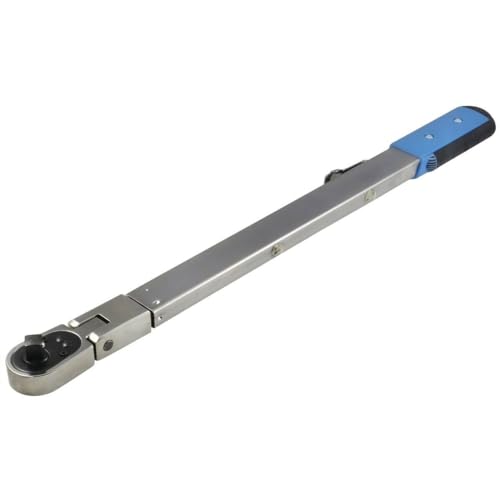
Precision Instruments PREC3FR250F 1/2″ Split Beam Torque Wrench
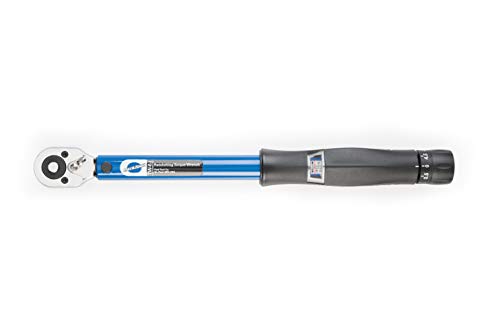
Park Tool TW-6.2 Ratcheting Torque Wrench 3/8-Inch

AEROFORCE 3/8″ Digital Torque Wrench 6.8-135Nm

AEROFORCE 3/8″ Digital Torque Wrench 38MM Open End

DEWALT Torque Wrench Tire Change Kit 50-250 FT-LB
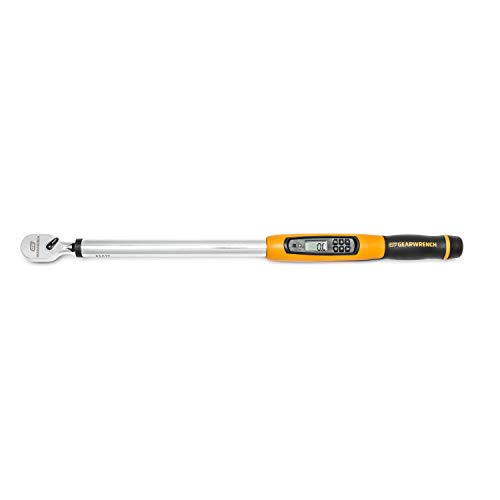
GEARWRENCH 1/2″ Drive Electronic Torque Wrench 85077

AEROFORCE 3/8″ Digital Torque Wrench 3-60Nm
GEARWRENCH 3/8″ Drive Electronic Torque Wrench 85076

GEARWRENCH 3/8″ Drive Flex Head Electronic Torque Wrench 85078
The Details Behind The Selections
The Precision Instruments PREC3FR250F is a 1/2″ split-beam click wrench with a flex head, aimed at the kind of repetitive high-torque work that wears cheap tools out fast. Unlike the smaller 3/8″ electronic models later in this list, this one does not rely on a battery or circuit board, so it shrugs off cold job sites, dusty panels, and the occasional drop.
For electricians pulling feeder conductors, landing large breaker lugs, or working in industrial disconnects, the long handle and flex head help reach into crowded cabinets. You set the value with a thumb-style adjustment that does not need to be “worked in” before first use, which is a small but real time saver on a busy truck.
Real-World Strengths
- Split-beam design needs no batteries, so it works in unheated vans and outdoor panels.
- Flex head reaches recessed lugs that a fixed head cannot approach from the right angle.
- Mechanical click gives consistent feel across thousands of cycles, useful on repetitive service work.
- 1/2″ drive handles the heavy lugs and bus bar fasteners common in commercial service.
Trade Offs
- Mechanical wrenches must be reset to a low value after each use to keep the spring relaxed, a step digital models skip.
- Long body is awkward in very tight panel interiors, where the shorter Park Tool TW-6.2 slides in more easily.
Built With In Mind
Commercial and industrial electricians running high-amperage service work who want a mechanical workhorse that will outlast their phone.
Where A Sibling Pick Shines
For control-panel and small-lug work under 60 Nm, the Park Tool TW-6.2 Ratcheting Torque Wrench is a more comfortable size.
The Park Tool TW-6.2 is a steel-bodied micrometer-style click wrench in a 3/8″ drive, sized for smaller fasteners rather than big service lugs. While the Precision Instruments split-beam is built for raw power, this one focuses on fine adjustment, with a dial-set scale that lets you dial in values without guesswork.
Electricians handling low-voltage terminations, control wiring, and breaker connections inside cabinets will find the 3/8″ drive and 10 to 60 Nm range a comfortable everyday fit. The head ratchets smoothly, and the steel construction handles shop bags, ladders, and the back of a van without complaint.
Why It Works Well
- Dial-adjust scale gives repeatable readings without straining your eyes in dim panel spaces.
- 3/8″ drive pairs with most small metric and SAE sockets already in an electrician’s pouch.
- Steel body keeps the price reasonable while still surviving drops and truck rides.
- Mechanical design means no batteries to forget on a service call.
Worth Noting
- 60 Nm upper limit rules it out for any heavy lug work, where the Precision Instruments split-beam takes over.
- Owners commonly report that a periodic calibration check is wise, since mechanical tools drift with hard daily use.
Right Fit For
Residential and light commercial electricians doing terminal block, breaker, and small-lug terminations in the 10 to 60 Nm band.
Skip It When
For tight digital work with audible and visual cues, the AEROFORCE 3-60Nm digital wrench delivers similar range with alerts.
The AEROFORCE 3/8″ digital torque wrench covers a broad 6.8 to 135 Nm range in one tool, with a dual-direction ratchet and ±2% accuracy. Compared to the click-style Park Tool, this one takes the guesswork out of the moment you stop pulling, because a buzzer and LED alert fire when target torque is reached.
For electricians who move between light control wiring and mid-size service work in the same day, having one tool cover both ranges trims bag weight. The four-unit display (Nm, lb.ft, in.lb, kgf.cm) also helps when you read a spec sheet from another country on a generator or transfer switch.
Notable Upsides
- Buzzer and LED alerts remove the subjective “feel” of a click wrench, helping new apprentices hit spec.
- ±2% accuracy is tighter than most mechanical click tools straight out of the box.
- Switchable units prevent mental math when a panel spec lists inch-pounds and your usual tool reads Nm.
- Dual-direction ratchet handles both tightening and verification passes without flipping sockets.
Soft Spots
- Digital tools need charging and battery awareness that a click wrench does not, an extra step at the start of a shift.
- Electronics are more sensitive to drops than the all-steel Precision Instruments, so case care matters on the truck.
Key Product Details
Who Should Grab It
Apprentices and seasoned electricians who want one digital tool wide enough to cover most daily ranges.
Consider Something Else When
For very high-torque service lugs above 135 Nm, the Precision Instruments PREC3FR250F split-beam is the better tool.
The second AEROFORCE digital wrench in this list adds a 38 mm open-end head plus a 3/8″ ratchet head, both interchangeable on the same body. For an electrician, that means you can torque a hex nut on a grounding bar or a standard bolt on a transformer tap without reaching for a second tool.
The ±2% accuracy and audible alerts match the other AEROFORCE digital model, and the 6.8 to 135 Nm range spans most control and mid-size work. The quick-switch head design is the real story, since field work often forces you to swap between hex and socket drives in the same panel.
A Strong Showing
- Interchangeable heads reduce the number of tools you carry into a hot panel room.
- Open-end head reaches fasteners where a closed socket cannot seat, common on grounding bars.
- Same digital alerts as the sibling AEROFORCE model keep the learning curve short.
- Useful for HVAC, automotive, motorcycle, and narrow pipeline work alongside electrical jobs.
Points To Keep In Mind
- Two heads mean two pieces to keep track of, and the open-end head may need occasional cleaning in greasy environments.
- Same battery and electronics considerations as the other digital wrench above, plan a charging routine.
Best Suited To
Electricians who split time between electrical work and HVAC or motor service and want one body that handles both.
Look Elsewhere When
For a single dedicated electrical torque tool, the standard AEROFORCE 6.8-135Nm digital model is a leaner choice.
The DEWALT DWMT45012 is a 12-piece set built around a 1/2″ micrometer-style torque wrench rated 50 to 250 ft-lb, plus a breaker bar, fractional and metric sockets, and a storage case. Compared to the higher-precision electronic AEROFORCE models, this set is more about range and convenience than fine readout.
For an electrician running a service van, the case and socket mix mean fewer trips back to the shop for a missing 13 mm or a long bar. The 50 to 250 ft-lb ceiling covers large breaker bus bars, generator lugs, and equipment bonding where the smaller digital wrenches max out well below useful range.
Everyday Advantages
- Twelve-piece kit arrives ready to use, no extra socket shopping to fill gaps.
- Storage case keeps the wrench, breaker bar, and sockets together in a crowded van.
- Locking trigger helps you hold the setting while torquing high-load fasteners.
- Forward and reverse torque capability covers tightening and loosening without a second tool.
Minor Gripes
- Mechanical click style lacks the digital alerts apprentices may need for repeatable results.
- 50 ft-lb floor is too high for small terminal work, where a 3/8″ digital wrench is the better fit.
Feature Snapshot
Made For
Service electricians and shop owners who want a heavy-duty mechanical kit ready to go in a van or fleet vehicle.
Not Your Match When
For tight, low-torque work in a wall switch box, the AEROFORCE 3-60Nm digital wrench is far more comfortable.
The GEARWRENCH 85077 brings electronic accuracy to a 1/2″ drive, sitting between the smaller 3/8″ digital AEROFORCE models and the high-range DEWALT mechanical kit. Electricians handling industrial control panels and large breaker terminations get audible click feedback without sacrificing drive size.
Where the DEWALT DWMT45012 set is a broad mechanical kit, the 85077 is a focused, single-purpose tool. The 1/2″ drive pairs with the same heavy sockets already in your bag, and the electronic head makes documentation easier when a job requires torque records for an inspector.
The Upside
- 1/2″ drive handles work that maxes out smaller 3/8″ digital wrenches.
- Electronic readout helps you document torque values on commercial jobs.
- Familiar GEARWRENCH form factor for anyone who already owns their hand tools.
- Digital click removes the inconsistent hand feel that new apprentices bring to mechanical wrenches.
A Few Limitations
- Larger body is heavier than a 3/8″ tool, which can wear out a wrist during overhead panel work.
- Electronics demand battery care, so a charging routine is a must for daily users.
Technical Sheet
Whose Shelf It Belongs On
Commercial electricians who routinely work on larger 1/2″ drive fasteners and want digital precision.
Reach For A Different Pick When
For everyday residential and light commercial work, the lighter GEARWRENCH 85076 3/8″ version is easier to handle.
This AEROFORCE model is the lower-range sibling to the 6.8-135Nm wrench earlier in the list, with a 3 to 60 Nm band aimed at smaller fasteners. Electricians dealing with control terminal blocks, sensitive electronics, and small breaker connections will find the reduced floor a real asset, since it lets you set a delicate value without over-ranging.
It keeps the same dual-direction ratchet, ±2% accuracy, and buzzer plus LED alert system as its larger brother, so muscle memory transfers between the two. For shop or office work where lugs are smaller and panels are tighter, it is a comfortable everyday tool.
Practical Pluses
- 3 Nm floor is ideal for delicate terminal and small-electronics torque values.
- Compact 3/8″ head fits where 1/2″ wrenches cannot physically reach.
- Same alerts and unit switching as the larger AEROFORCE digital wrench reduce learning curve.
Where It Is Less Suited
- 60 Nm ceiling rules out any service-lug or busbar work, where the 135Nm AEROFORCE or the Precision Instruments picks apply.
Perfect Match For
Electricians focused on control cabinets, low-voltage terminations, and small breaker work in the 3 to 60 Nm range.
A Better Fit Elsewhere
For the broadest one-tool coverage from 6.8 to 135 Nm, step up to the AEROFORCE 6.8-135Nm digital model.
The GEARWRENCH 85076 covers roughly 10 to 135 Nm (7.4 to 99.6 ft-lb) in a 3/8″ electronic body, sitting between the smaller AEROFORCE 3-60Nm wrench and the 1/2″ 85077. For most residential and light commercial work, this band covers breaker lugs, subpanel connections, and a long list of mid-size fasteners.
It is essentially the lighter partner to the 1/2″ 85077 covered earlier, trading drive size for easier handling in tight electrical rooms. Where the DEWALT mechanical kit is bulk and range, the 85076 is precision and convenience for daily use.
What Pays Off
- Range covers most residential and light commercial work without switching tools.
- 3/8″ drive is lighter than the 1/2″ model, easier on the wrist during overhead panels.
- Electronic click supports accurate, repeatable results across many users.
- Common GEARWRENCH platform with the rest of the 85xxx line, simplifying spares and accessories.
Small Caveats
- Drive size and range cap out before true service entrance work, so a 1/2″ tool is still needed for the biggest jobs.
Who Will Love This
Residential and light commercial electricians who want one electronic tool that handles most daily ranges comfortably.
Swap It Out When
For very tight panel interiors where a flex head helps, the GEARWRENCH 85078 flex-head model is the better fit.
The GEARWRENCH 85078 wraps the same electronic torque platform as the 85076 in a flex-head body, which lets the head pivot around obstacles. For an electrician facing a recessed breaker, a back-plane lug, or any other awkward angle, the flex head often makes the difference between a clean torque and a stripped fastener.
It is the same overall size and drive as the 85076, so the trade-off is small. You get the same electronic readout and accuracy but pay a small premium for the head articulation, a useful upgrade for anyone regularly working in crowded panels.
What Stands Out
- Flex head reaches recessed and angled fasteners that fixed heads cannot approach.
- Keeps the electronic accuracy of the 85076 while solving a real-world access problem.
- 3/8″ drive is still light enough for overhead work and ladder setups.
- Good upgrade path if you already own other GEARWRENCH 85xxx tools.
Honest Caveats
- Flex head adds moving parts that can require occasional cleaning in dusty industrial sites.
- Costs more than a fixed-head electronic wrench, so it is only worth it if you actually need the angle.
Who It Suits Best
Electricians who regularly work in crowded panels and want electronic precision with better access angles.
Another Choice May Suit
For mostly straight-on work, the fixed-head GEARWRENCH 85076 is the more economical route to the same electronic platform.
Factors To Consider When Choosing Torque Wrenches For Electricians
Match Drive Size To Your Daily Work
Drive size, the square fitting on the wrench where sockets attach, dictates the size of the fasteners you can comfortably turn. A 1/2″ drive suits heavy service lugs and busbar work, while 3/8″ drives handle the majority of breaker, panel, and control terminations. Most electricians end up owning both, but a single starting tool should fit the work you do eighty percent of the time.
Pick Mechanical Or Electronic For Your Skill Mix
Mechanical click wrenches (like the Precision Instruments split-beam and the DEWALT DWMT45012) rely on feel and a tactile click, so experience matters. Electronic wrenches (like the AEROFORCE and GEARWRENCH electronic models) add a buzzer, LED, or digital readout that helps apprentices hit spec. The trade-off is battery care and a more delicate body, which can be a real concern on rough sites.
Mind The Torque Range
Range is the span between the lowest and highest value the wrench can set. A wide range, like the AEROFORCE 6.8 to 135 Nm, reduces tool swaps, but the lowest value still has to be low enough for sensitive terminals. Buying a wrench that cannot go low enough is a common and expensive regret.
Look For Real-World Access Features
Flex heads, compact 3/8″ bodies, and interchangeable heads (like the AEROFORCE 38 mm open-end model) all solve access problems inside live equipment. If most of your work happens in tight panel interiors, those features often matter more than a wider torque range.
Practical Pointers Before You Buy
Mistakes Worth Dodging
Buying a 1/2″ drive wrench as your only tool is a common trap for new apprentices, since 1/2″ drive heads are bulky in residential work. Most daily terminations live in the 3/8″ world, so a 3/8″ electronic or click wrench covers more ground. Another slip is ignoring the lower end of the range, where a 5 Nm terminal value is impossible to set on a wrench that starts at 25 Nm.
When Paying More Pays Off
The premium for a digital wrench with audible alerts, a flex head, or a wider range tends to show up in repeatability across multiple users and in awkward access situations. On a small residential job, a basic click wrench is fine. On a commercial or industrial site with mixed crews, the upgrade to an electronic or flex-head model often pays for itself through fewer re-torques and faster panel work.
Frequently Asked Questions
What torque wrench size do electricians use most?
Most electricians reach for a 3/8″ drive wrench for the bulk of panel, breaker, and control work, with a 1/2″ drive reserved for service entrance and large lugs. Owning both covers the full range, but starting with a 3/8″ electronic or click model is the most common path.
How often should a torque wrench be calibrated?
Mechanical torque wrenches benefit from a calibration check at least once a year with regular daily use, while electronic wrenches can drift similarly over time. Sending the tool to a calibration service or using a torque tester at the shop helps catch drift before it shows up on a job.
Can the same wrench be used for electrical and mechanical work?
Yes, a torque wrench does not care about the application as long as the range and drive size match the fastener. Many electricians use the same 3/8″ electronic wrench for both electrical work and small mechanical fasteners, then switch to a larger tool for heavy mechanical jobs.
What is the difference between a click wrench and a digital torque wrench?
A click wrench uses a mechanical spring that releases with a tactile and audible click at the set value, leaving the user to judge the feel. A digital torque wrench uses electronics to measure the actual applied force and signals with a buzzer, light, or display, which is more repeatable and easier for new users.
Do torque wrenches need to be reset after use?
Mechanical click wrenches should be reset to the lowest setting (or to the value recommended in the manual) before storage, to keep the internal spring relaxed. Digital wrenches do not require this step, but it is still a good habit to power them off to preserve battery life.




