Dead branches, wayward suckers, and overgrown hedges don’t stand a chance when your hand tools match the job. Backyard growers, weekend pruners, and orchard caretakers all need reliable cutting gear that survives seasons of sap and grit. This lineup pairs cordless convenience with old-school bypass precision, so the right blade is always within reach, whether you’re snipping tomatoes or shaping a 12-foot maple.
A Fast Comparison Of The Options

DEWALT 20V MAX Pruning Shears (DCPR320B)
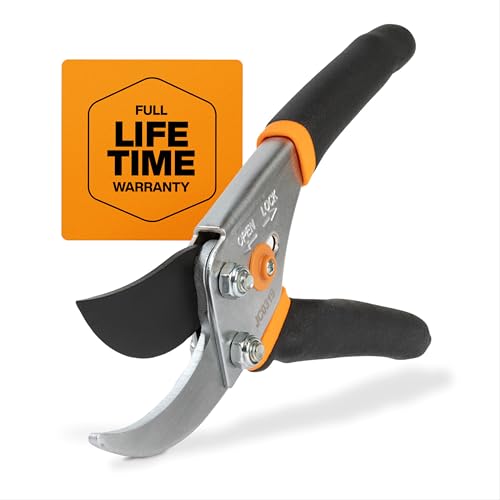
Fiskars Bypass Pruning Shears (5/8″ Cut)

Fiskars 28″ Bypass Loppers (1.5″ Cut)

Fiskars Forged Steel Bypass Shears (1″ Cut)
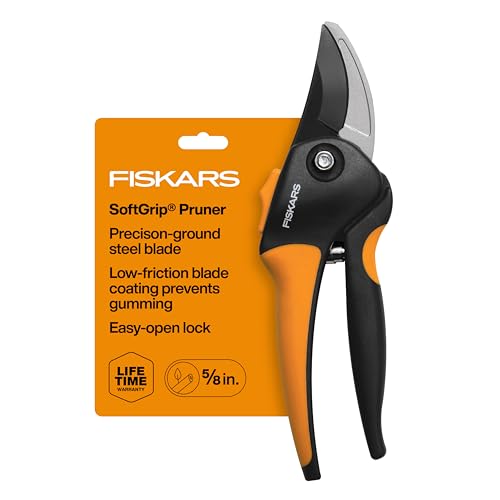
Fiskars SoftGrip Bypass Shears (5/8″ Cut)

Felco F2 Pruning Shears (9.25″ Swiss-Made)

Fiskars XtendControl Pole Saw & Pruner (4-16 ft)

Fiskars DualAction Pole Pruner (7-13 ft)

Fiskars Chain-Drive Pole Pruner (7-16 ft)
Why These Options Stand Out
For gardeners already running a DEWALT 20V MAX battery system, this cordless pruner slots in without a fuss. A non-stick coated blade slices through green growth, while the on-board LED work light brightens tight spots under a shrub or against a fence. Compared to the manual Fiskars bypass shears coming up next, this tool trades wrist workout for trigger fatigue, which matters on long orchard days.
The bare-tool configuration (DCPR320B) means you bring your own battery and charger. A 1-1/2 inch cut capacity handles thick rose canes and small fruit-tree suckers, and the quick-change blade system swaps dull edges without a trip to the shop. For anyone with grip strength concerns or a large yard, the cordless approach takes a real load off.
Where It Delivers
- Non-stick coated blade resists sap buildup and keeps cuts clean through dense summer growth.
- On-board LED illuminates shadowed inner canes where dead wood hides.
- Quick blade swap with the included change tool keeps downtime minimal mid-session.
- Lightweight at 3 pounds bare, reducing arm strain during extended orchard runs.
Things To Consider
- Bare tool only, so the total cost climbs once a battery and charger enter the cart.
- Charging routines and battery storage add a small maintenance step that manual shears skip entirely.
Who Will Love This
Existing DEWALT 20V owners and anyone with thick stems who wants to cut without gripping hard.
A Better Fit Elsewhere
The Felco F2 Pruning Shears suit traditionalists who prefer a hand-powered, fully mechanical tool with replaceable parts.
The classic Fiskars bypass pruner has earned its reputation by doing the simple stuff really well. A bypass blade (two curved blades that pass each other like scissors) makes clean cuts on live green wood, which helps plants heal faster than a crushing anvil-style cut. At a 5/8 inch capacity, it covers the majority of what most home gardens throw at it: rose canes, tomato suckers, and small fruit tree growth.
There’s nothing fancy here, and that’s the appeal. The steel blade holds an edge through a season of regular use, the handle is comfortable enough for a weekend session, and replacement springs are widely available. For someone starting a tool collection, this is the kind of pruner that gets passed down rather than replaced.
What Makes Sense
- Bypass action delivers clean cuts that support plant health on live stems.
- Hardened steel blade stays serviceable across many pruning seasons.
- Simple, repairable design with widely available replacement parts.
Points To Note
- 5/8 inch capacity limits use on thicker branches that loppers handle better.
- Manual design means more hand effort during marathon pruning sessions.
Feature Snapshot
Right Fit For
Beginner gardeners and homeowners with light, routine pruning across flowers and shrubs.
Skip It When
The Fiskars Forged Steel Bypass Shears are a stronger match for anyone cutting thicker hardwood regularly.
When hand shears tap out, loppers pick up the slack. The Fiskars 28-inch bypass loppers add reach and leverage, clearing branches up to 1.5 inches thick without dragging out a saw. The 28-inch handle length gives a comfortable stance for overhead cuts on lower tree limbs, while the bypass blade design keeps those cuts clean enough to support healthy regrowth.
A low-friction coating on the blade helps the cut glide, which matters when you’re pushing through a thick hedge row. The tradeoff versus the cordless DEWALT pruner is purely about scale: loppers are manual, but they handle wood that would jam a battery-powered shear. If your yard has a few fruit trees or a stubborn privet hedge, this is a smart middle-ground tool.
Notable Upsides
- 1.5 inch cut capacity tackles branches that hand pruners can’t reach.
- Low-friction blade coating reduces gumming and improves rust resistance over time.
- 28 inch handles offer leverage and reach for higher cuts.
- Bypass action keeps cuts clean on live wood for healthier plants.
Worth Noting
- Manual operation requires more upper-body effort than the DEWALT cordless option.
- Long handles can feel unwieldy in tight spaces between closely planted shrubs.
Made For
Homeowners with mature shrubs, hedges, and small tree limbs that exceed hand-pruner capacity.
Look Elsewhere When
The DEWALT 20V MAX Pruning Shears are a better fit for those wanting cordless ease on thick stems within arm’s reach.
The forged steel upgrade takes the standard bypass concept and gives it muscle. Forged steel (steel that’s been heated and hammered into shape, rather than cast) tends to be denser and more durable than stamped alternatives, and the 1 inch cut capacity jumps well beyond what the standard Fiskars bypass pruner manages. For someone cutting through older hardwood or established berry canes, that extra reach comes in handy.
The heft is real, and for small hands or long sessions that weight adds up. Where this pruner shines is heavy, infrequent work: cutting back overgrown lilacs, clearing raspberry roots, or wrestling a stubborn fig. Pair it with the lighter SoftGrip bypass for the everyday stuff, and you’ve got a solid two-tool setup.
Advantages To Know
- Forged steel handles provide strength for repeated heavy cuts.
- 1 inch cut capacity doubles the reach of the standard bypass pruner.
- Fully hardened, precision-ground blade holds its edge through demanding use.
Honest Caveats
- Heavier build may tire smaller hands during long pruning sessions.
- Higher price than the standard bypass, though the steel upgrade justifies it for heavy users.
Best Suited To
Gardeners tackling thicker hardwood, mature berry canes, and demanding seasonal cuts.
Not Your Match When
The Fiskars SoftGrip Bypass Shears suit those prioritizing lightweight comfort over raw cutting power.
The SoftGrip version of the Fiskars bypass pruner focuses on hand comfort during longer sessions. A self-cleaning sap groove keeps resin from gumming up the blade, which means less stopping to wipe down between cuts. The non-slip handle coating gives a secure grip even with damp or gloved hands, and the same 5/8 inch cut capacity covers typical backyard work.
Where this differs from the standard Fiskars bypass is mostly about feel. For anyone who finds standard pruners dig into their palm after an hour of deadheading or hedge touch-ups, the soft-touch handle takes pressure off the tendons. It’s a small change that matters more than you’d think across a full growing season.
Practical Advantages
- Soft-grip handle reduces hand fatigue during extended pruning sessions.
- Self-cleaning sap groove keeps blades moving freely without constant wiping.
- Non-slip grip stays secure with wet or gloved hands.
Trade Offs
- Same 5/8 inch capacity as the standard bypass, so thicker branches still need loppers.
Quick Facts
Whose Shelf It Belongs On
Comfort-minded gardeners, anyone with hand sensitivity, and those doing regular flower bed maintenance.
Another Choice May Suit
The Fiskars 28″ Bypass Loppers are a stronger pick when branches push past hand-pruner reach.
Felco’s F2 sits at the top of many professional pruner lists, and for good reason. The Swiss-made build, forged aluminum handles, and hardened steel cutting blade create a tool that feels balanced and precise in the hand. A replaceable blade design means the pruner can be sharpened or refreshed rather than replaced, which is a real long-term value for anyone who prunes daily.
Compared to the Fiskars options, the Felco F2 costs more upfront, but the parts are serviceable, the feel is noticeably refined, and the ergonomics are designed for repetitive professional use. For orchardists, nursery workers, or serious home growers who prune for hours at a stretch, that difference adds up across a season.
Features That Help
- Forged aluminum body keeps weight low without sacrificing strength.
- Replaceable blade and parts extend the tool’s working life across many seasons.
- Hardened steel cutting blade delivers clean cuts on branches up to 1 inch thick.
- Swiss precision engineering supports accurate, fatigue-light cuts.
Some Limits To Know
- Higher upfront cost compared to Fiskars alternatives.
- Premium feel may be more than casual weekend gardeners need.
Perfect Match For
Professional pruners, orchardists, and dedicated home growers pruning for hours at a time.
Swap It Out When
The Fiskars Bypass Pruning Shears offer similar bypass action at a friendlier entry cost for lighter use.
Pole pruners solve the problem of branches just out of arm’s reach, and the XtendControl system takes it a step further. The pole shifts its center of gravity closer to your hands rather than the cutting head, which reduces the top-heavy fight common with traditional extendable poles. Four interchangeable components allow up to five configurations, so you can swap between pruning and sawing without dragging out separate tools.
The 4 to 16 foot range covers everything from low berry bushes to mid-height tree limbs. Compared to the Fiskars DualAction pole pruner coming up, this set trades simplicity for modularity. You’ll spend more time configuring the right combination, but the storage footprint stays compact, which matters in a small shed or garage.
What Earns Its Place
- Weight shifted toward the hands reduces top-heavy fatigue during overhead cuts.
- Modular design supports multiple configurations in one compact package.
- 4 to 16 foot reach covers a wide range of pruning heights.
Points To Keep In Mind
- Multiple components mean more setup time before each session.
- Modular connections need occasional checks to stay tight over years of use.
Built With In Mind
Homeowners with varied pruning heights who want one system that adapts to multiple tasks.
Reach For A Different Pick When
The Fiskars DualAction Pole Pruner suits those wanting simpler two-mode cutting without modular setup.
The DualAction pole pruner is built around a simple idea: branches vary, and the cutting action should match. Switch into S mode for quick snips on thin growth, or shift to L mode to power through limbs up to 1.25 inches thick using geared transmission. That versatility shows up when you’re clearing a mixed stand of trees where some branches are soft whips and others are old hardwood.
At 7 to 13 feet of telescoping reach, this lands in the mid-range of pole pruners. It’s enough for most single-story rooflines and shorter fruit trees, though very tall specimens may need the longer Chain-Drive version reviewed next. The two-mode approach keeps operation straightforward, which counts when you’re working overhead and want one quick switch rather than a tool change.
Positive Takeaways
- Two cutting modes handle both thin branches and limbs up to 1.25 inches.
- Geared transmission multiplies cutting force on thicker wood.
- Mid-range reach suits most residential tree work.
Possible Compromises
- 13 foot max reach falls short for very tall trees where the Chain-Drive model reaches further.
Who Should Grab It
Homeowners with mid-height trees and varied branch sizes who want one tool that adapts on the fly.
Consider Something Else When
The Fiskars Chain-Drive Pole Pruner reaches higher and adds geared leverage for taller trees.
When the goal is reaching high without a ladder, the Chain-Drive 2-in-1 pole pruner delivers. Chain-Drive technology compounds your pulling force through an internal chain, multiplying what your arms put in, so limbs up to 1.25 inches snap cleaner with less effort. The 7 to 16 foot telescoping range covers taller trees that the DualAction model can’t quite reach.
The 2-in-1 design pairs a bypass pruner head with a saw blade, so you can swap between snipping small branches and sawing through thicker growth without dropping the pole. For homeowners with mature trees, the extended reach is the main draw, but the added length also adds weight at the top. Anyone working at full extension for an extended period will feel it in their shoulders.
Strong Points
- Chain-Drive mechanism multiplies cutting force for cleaner cuts on thick limbs.
- 16 foot max reach handles taller trees without ladder work.
- 2-in-1 design combines bypass pruner and saw in one tool.
Practical Considerations
- Extended reach adds top-end weight that can tire shoulders during long sessions.
- Telescoping locks should be checked periodically to prevent slip at full extension.
The Right Fit
Homeowners with tall, mature trees who want maximum reach and the option to switch between snipping and sawing.
Where A Sibling Pick Shines
The Fiskars XtendControl modular set is easier to handle for shorter, varied pruning tasks.
Matching The Right Tool To Your Yard
Choosing tree pruning tools comes down to matching blade type, reach, and effort to the wood you’re cutting. Bypass pruners (two curved blades that pass each other like scissors) make the cleanest cuts on live green growth, while anvil pruners (a single blade that closes against a flat surface) work better on dead, dry wood. For most living plants, bypass is the way to go.
Reach matters more than people expect. A standard 8-foot reach handles shrubs and low branches comfortably, but anything above a single-story roofline calls for 12 to 16 feet of pole. Longer reach adds weight and reduces control, so it helps to match the tool to the typical cut height rather than always buying maximum extension.
Cut capacity determines what the tool can handle. Hand pruners typically max out around 5/8 to 1 inch, loppers stretch to 1.5 inches, and pole pruners generally handle 1 to 1.25 inches. Choosing the right tier for your typical branch size saves wear on the blade and strain on your hands.
Comfort and ergonomics matter for any tool you’ll use repeatedly. Soft-grip handles, lightweight builds, and replaceable blades all extend the practical life of a pruning tool. For daily or professional use, the higher upfront cost of a serviceable tool like the Felco F2 often pays back through years of sharpening and part replacement rather than full replacement.
Key Considerations Across These Picks
Wrong Turns To Avoid
A common slip is choosing the longest pole pruner available when a shorter reach would actually work better. Extra length adds weight and reduces control, and most home pruning happens below 10 feet. Another trap is buying anvil pruners for live wood: the crushing action damages tender green stems and slows healing, while bypass pruners deliver the clean cut live plants need.
Forgetting about maintenance is another miss. Steel blades benefit from a light oil wipe-down after use, and sap buildup shortens blade life if left to harden. Tools with replaceable parts (like the Felco F2) tend to outlast sealed designs, but only if you actually swap the parts when needed.
What Separates Premium From Basic
The jump from entry-level to premium pruning tools shows up in three places: blade material, handle construction, and serviceability. Hardened or forged steel holds an edge far longer than stamped alternatives. Forged aluminum or composite handles stay light without flexing under load. Replaceable blades, springs, and grips turn a one-time purchase into a multi-decade tool.
The trade-off is upfront cost. A premium pruner like the Felco F2 can cost several times a basic bypass, but for anyone pruning weekly, the comfort and longevity justify the investment. For occasional seasonal trimming, a well-made mid-range option often hits the right balance.