


Laying down a new floor usually means measuring, marking, and trimming dozens of planks to fit around door frames, cabinets, and odd corners. A miter saw gets the job done, but it kicks up dust, demands power, and scares off anyone working in a finished room. A purpose-built vinyl plank flooring cutter gives you a quieter, cleaner alternative, and the seven below cover every realistic room size and skill level.
The Leading Options At A Glance

NAACOO 13″ Heavy Laminate Floor Cutter with Wheel, 13MM Vinyl Plank Cutter
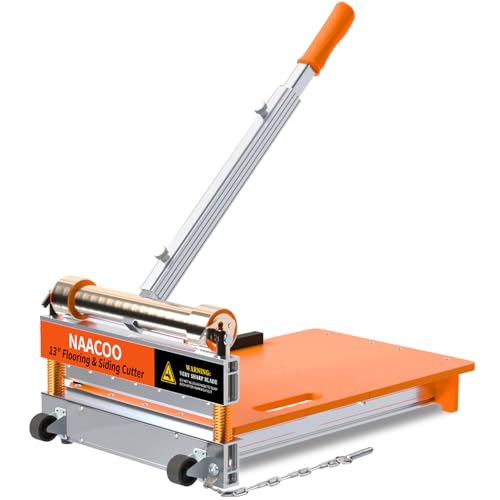
NAACOO 17mm Heavy Laminate Floor Cutter with Wheel,13In Vinyl Plank Cutter
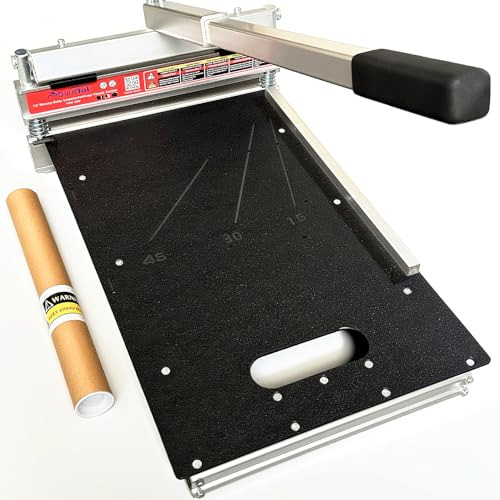
Heavy Duty Laminate/Vinyl Plank Cutter 13″ With A replacement blade
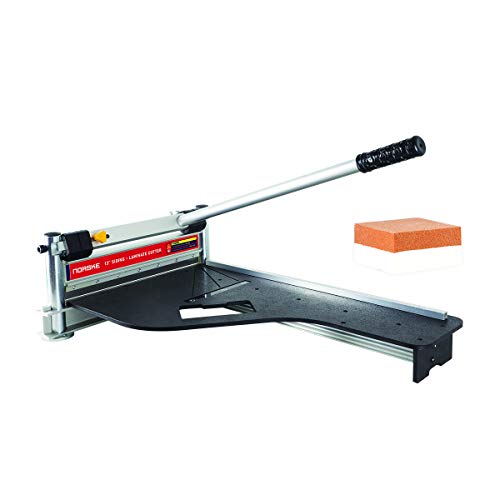
Norske Tools Newly Improved NMAP001 13 inch Laminate Flooring and Siding Cutter

NAACOO 13In Laminate Floor Cutter with Wheel, 13MM Vinyl Plank Cutter
8.8″ Pro Vinyl Floor Cutter, Cuts All Types, LVP, SPC, RVP, LVT, VCT, PVC, WPC & Rigid Core Vinyl!

13″ Pro Rigid Core Vinyl floor Cutter with Notching Tools and Extra Blade
Meet The Standout Selections
The NAACOO 13″ heavy-duty cutter earns the top spot because it covers what most weekend installers actually need without overcomplicating the setup. It handles planks up to 13 inches wide and 13 millimeters thick, which sweeps in the majority of standard luxury vinyl plank (LVP), laminate, and engineered flooring sold at home centers. The aluminum alloy frame paired with an HDPE base keeps the body light enough to move between rooms but rigid enough that the cut stays clean.
That single-step angle adjustment matters more than it sounds. You dial the fence, drop the lever, and the blade meets the plank with no saw, no cord, no grit in the air. For a first-timer laying a hallway of click-lock vinyl, that translates to fewer mistakes and a much calmer Saturday afternoon.
Real Benefits
- Clean, dust-free cuts that keep the workspace livable during indoor projects.
- Lightweight enough to reposition on a small workbench or even the floor.
- 0°, 15°, 30°, and 45° angles cover the trim cuts most rooms demand.
- No power cord means safer use near finished walls and furniture.
Trade Offs
- 13 mm max thickness excludes some rigid-core planks and most solid hardwood.
- The aluminum frame can flex slightly if you over-rely on the end of the bed for very long boards.
Key Attributes
Who It Suits Best
First-time DIY installers working on a single room or modest hallway will find the 13 mm capacity and straightforward lever action genuinely helpful.
Consider Something Else When
Contractors laying thick engineered boards or rigid-core planks over a large commercial space should look at the NAACOO 17mm Heavy Laminate Floor Cutter for its extra cutting depth.
Step up to the 17 mm NAACOO and you get the same one-step angle system as the 13 mm version, plus a noticeably thicker cutting capacity. That extra 4 mm is the difference between a tool that handles standard laminate and one that chews through thicker engineered planks, rigid-core boards with attached pads, and dense bamboo. The high-strength aluminum frame is the upgrade worth noting, since bending is the enemy of a straight cut in heavier material.
For a contractor working a kitchen remodel or a homeowner tackling a basement with thick rigid-core vinyl, the 17 mm headroom removes a frequent headache. You stop pre-sorting planks and start cutting what is in the box.
Advantages To Know
- 17 mm depth handles rigid-core, padded LVP, and most engineered flooring without swapping tools.
- Reinforced aluminum frame resists flex during long, repeated cuts.
- Same 0°-45° angle system means no learning curve if you have used the lighter NAACOO.
Points To Keep In Mind
- Heavier than the 13 mm NAACOO, so plan a stable work surface before you start.
- Overkill for a single small room of thin laminate.
Feature Snapshot
Made For
Contractors and serious DIYers installing thick rigid-core vinyl or engineered planks over larger floor areas will appreciate the extra depth and rigidity.
Not Your Match When
Anyone working on a single 100-square-foot guest room with thin laminate would be paying for capacity they will never tap, so the NAACOO 13″ Heavy Laminate Floor Cutter is a more honest match.
The MANTISTOL 13″ cutter leans into the professional side of the category. Its 4 mm tungsten steel blade stays sharp far longer than standard tool steel, and the included 600-grit hone stone lets you refresh the edge on the spot rather than waiting for a replacement. Cuts up to 13 mm thick come out splinter-free on laminate, vinyl, hardwood, parquet, and even fiber-cement siding, which is a wider material menu than most cutters on this list.
If you expect to cut for hours, or you want one tool to bridge indoor flooring and outdoor siding work, the heavier steel-and-aluminum body earns its keep. Think of it as a long-term workshop tool rather than a weekend helper.
Where It Excels
- Tungsten blade plus hone stone extends blade life well past standard cutters.
- Works on siding, parquet, and hardwood, not just vinyl and laminate.
- Solid steel and aluminum build stays planted during heavy cutting sessions.
Honest Caveats
- Heavier than the NAACOO options, so storage and bench space matter.
- Replacement blades are an extra cost down the road.
The Main Details
Best Suited To
Tradespeople and serious DIYers who want a single cutter for multiple materials, including siding and hardwood, will get the most from this pick.
Look Elsewhere When
Anyone laying only thin luxury vinyl in one room can save weight and space with the NAACOO 13In Laminate Floor Cutter with Wheel.
The Norske NMAP001 has earned a long track record among flooring pros for one specific reason: it is the rare cutter that does both flooring and exterior siding without swapping parts. The fixed aluminum fence gives you repeatable angle settings, and the extended handle adds leverage for harder boards like fiber-cement planks. At 13 inches wide and around 19/32″ thick, it sweeps in nearly every residential plank on the market.
For a remodeler who jumps between deck trim, siding patches, and indoor flooring, the Norske removes the need for a second specialty tool. It is a quiet shop workhorse, not a flashy upgrade.
Everyday Perks
- Fixed aluminum fence locks in consistent angle cuts across a full job.
- Extended handle multiplies hand force for tougher boards.
- Cuts laminate, fiber-cement siding, and engineered wood up to 13″ wide.
Things To Consider
- Larger footprint than the compact 8.8″ MANTISTOL, so storage planning matters.
- Premium positioning puts it above basic DIY models.
Right Fit For
Remodelers and contractors who split time between siding repairs and flooring installs will find the dual-purpose design genuinely useful.
Skip It When
Homeowners focused solely on a single room of click-lock vinyl will get more value from the lighter NAACOO 13″ Heavy Laminate Floor Cutter.
The original NAACOO 13″ wheel cutter is the entry point in the line, and it remains a smart pick for small projects. It still hits the 13 mm thickness ceiling and the 0°-45° angle range, just with a lighter frame than the upgraded 13 mm sibling. The wheel-style blade handle keeps your hand in a natural pushing position, which helps when you are knocking out cuts for a closet floor or a single bedroom.
For anyone dipping a toe into DIY flooring without committing to a heavy shop tool, this NAACOO delivers a quieter, cleaner alternative to dragging a miter saw out of the garage.
Well-Handled Touches
- Lightest NAACOO option, easy to store on a shelf or in a closet.
- Wheel handle reduces hand fatigue across many cuts.
- Same angle range as the heavier NAACOO cutters.
Less-Strong Areas
- Body flex is more noticeable on extra-long boards.
- Limited to thinner planks at the 13 mm ceiling.
Feature Rundown
Perfect Match For
DIYers refreshing a single small room with thin laminate or vinyl will find this model hits the right balance of price and capability.
Reach For A Different Pick When
Anyone installing thicker rigid-core planks should step up to the NAACOO 17mm Heavy Laminate Floor Cutter for the extra depth.
The MANTISTOL 8.8″ cutter is the smallest tool here, and that is its whole appeal. The shorter bed fits inside a closet, sits on a kitchen counter, and travels to job sites without a truck. The blade position is adjustable, so you can take on the irregular cuts that show up around door edges, columns, and wall corners rather than only straight crosscuts.
Apartment dwellers and condo owners will appreciate how quietly it tucks away. You will not sacrifice much capability either, since it covers LVP, SPC, WPC, LVT, VCT, and rigid-core vinyl.
Key Advantages
- Compact 8.8″ bed fits in tight storage spaces and small work areas.
- Adjustable blade supports irregular cuts around columns and door jambs.
- Compatible with the widest range of vinyl types on this list.
Worth Bearing In Mind
- 8.8″ width rules out wider planks and most laminate boards.
- Smaller lever means slightly more hand effort on rigid-core material.
Built With In Mind
Apartment dwellers and condo owners handling narrow vinyl planks in smaller rooms will appreciate the compact footprint.
Where A Sibling Pick Shines
For wider planks or thicker boards, the MANTISTOL 13″ Pro Rigid Core Vinyl floor Cutter brings extra bed length and notching tools to the table.
The flagship MANTISTOL 13″ Pro cutter shows up last but brings the most complete accessory kit. You get a replacement blade, three slotting blades (0.5″, 1″, and 1.3″), and a 10″ contour gauge right in the box, which means you can trace an odd wall profile, transfer it to a plank, and notch the cut without hunting for extra tools. The 12.9″ cutting width and roughly 3/8″ depth cover the bulk of rigid-core vinyl, LVP, and WPC products.
For installers who dread the doorway notch as much as the straight cut, the slotting blades and contour gauge are the real time-saver. The whole kit unboxes ready to work.
Where It Helps
- Slotting blades and contour gauge handle door jambs, vents, and odd corners in one pass.
- Replacement blade ships in the box, so you are not sidelined by a dull edge.
- No power needed, which keeps the work area quiet and dust-free.
Factors To Consider
- Accessory kit raises the price over simpler 13″ cutters.
- Depth ceiling sits below the NAACOO 17mm, so very thick boards are off the table.
Feature Overview
Whose Shelf It Belongs On
Installers who frequently cut around door jambs, vents, and irregular corners will find the included notching kit a serious workflow upgrade.
Swap It Out When
Anyone focused on wide, straight cuts in thick material should consider the NAACOO 17mm Heavy Laminate Floor Cutter for its deeper capacity.
What Matters Most Before Choosing Vinyl Plank Flooring Cutters
Cutting Capacity And Material Match
The single biggest spec to check is the maximum cutting thickness, which determines which flooring types the tool can actually handle. A 13 mm ceiling covers most luxury vinyl plank (LVP) and standard laminate. Once you cross into rigid-core vinyl, padded LVP, or thick engineered boards, you need a 17 mm or higher capacity. Width matters too, since residential planks range from roughly 5 inches for vintage styles up to 13 inches for modern wide-plank looks. A bed that matches the widest plank you own removes the awkward “flip and finish” workaround.
Blade Material And Maintenance
Tool steel blades stay sharp long enough for small jobs but dull faster on abrasive materials. Tungsten steel edges hold their line through siding and dense boards, and an included hone stone lets you refresh the edge in the workshop. For shop-style cutters, the blade is usually a replaceable wear part, so check the availability of spares and the cost before committing. A quick wipe after each session keeps resin and dust from dulling the edge prematurely.
Angle Range And Fence Design
Any room with corners or transitions needs a fence that locks at 0°, 15°, 30°, and 45°. Fixed aluminum fences give you repeatable results across a full job, which matters when you cut dozens of identical transition pieces. Adjustable fences add flexibility for odd angles, but you trade some speed. For a one-room DIY project, the simpler system usually wins because there is less to calibrate.
Portability And Storage
Manual cutters run from 8-inch compact models to 17-inch shop workhorses, and the size difference is dramatic. Apartment dwellers and anyone hauling tools to a second floor benefit from a compact bed, while a garage workshop can absorb the heavier frame in exchange for more capacity. The lighter the tool, the more often you actually set it up rather than reach for the miter saw “just this once.”
Key Considerations Across These Picks
Pitfalls Shoppers Hit
A common misstep is buying a cutter that matches the plank width but misses the thickness ceiling, which leads to partial cuts and damaged tongues. Another is overlooking angle stops: a fence that only locks at 0° and 45° forces you to eyeball every 22.5° transition. Watch out for frames marketed as “heavy duty” that still flex at full extension. That flex shows up as a wandering cut line once you push past short boards.
What The Higher Tier Buys
Premium cutters earn their price with reinforced frames, tungsten blades, and accessory kits that turn irregular cuts into routine ones. The upgrade makes sense for full-room remodels, contractor use, and any project that mixes flooring with siding or trim. For a single-room refresh, the entry-level tier covers the same core function and leaves money in the budget for underlayment or transition strips.
Frequently Asked Questions
How Thick Of Vinyl Plank Can These Cutters Handle?
Most manual vinyl plank flooring cutters top out at 13 mm, which covers the majority of residential LVP and laminate. Thicker rigid-core and engineered boards usually need a 17 mm cutter or a power saw for clean results.
Do Manual Cutters Really Leave A Clean Edge?
A sharp blade in good condition produces a factory-clean cut on most vinyl and laminate. Tungsten blades and hone stones extend that clean edge across more cuts, while dull blades crush the core and leave ragged corners that show at the seams.
Can One Cutter Handle Both Flooring And Siding?
Several models on this list, including the MANTISTOL 13″ and the Norske NMAP001, cut fiber-cement siding alongside flooring. The wider material menu comes from a heavier frame, a tougher blade, and a fence that stays rigid under lateral force.
How Long Does A Replacement Blade Usually Last?
Blade life depends on the material and the frequency of use. For a single-room DIY project, a standard blade can last through the entire install. Pro installers cutting fiber-cement or dense boards typically swap or hone the blade every few rooms.
Is A Manual Cutter Safer Than A Miter Saw?
Manual cutters remove the spinning blade entirely, which eliminates kickback, dust, and cord hazards. The trade-off is hand fatigue on long jobs and a lower cutting capacity compared to a powered saw, so serious volume work still leans on power tools.




