


Old plaster walls reward the right fastener and punish the wrong one. Whether you’re hanging a heavy mirror, securing a floating shelf, or mounting a TV bracket, the anchor behind the screw does the real work. This roundup walks through seven options covering light-duty drywall backers, hollow-core door hardware, and concrete-grade wedge anchors for stone or masonry projects.
Plaster walls built before the 1950s often have wooden lath behind them, while modern walls may sit over hollow drywall. Picking a fastener that matches the wall you actually have saves you from stripped holes, sagging shelves, and the slow frustration of a picture that drifts out of level. Use the guide below to match each pick to your project.
Your Options, Compared

Hillman Plastic Anchors #10-12 x 1in, 100 Pack

TOGGLER Toggle TA Hollow Door Anchors 100 Pack

TOGGLER Alligator AF8 Wall Anchors 5/16 in, 100 Pack

Wensilon 3/8×4″ Zinc Wedge Anchors, 10 Pack
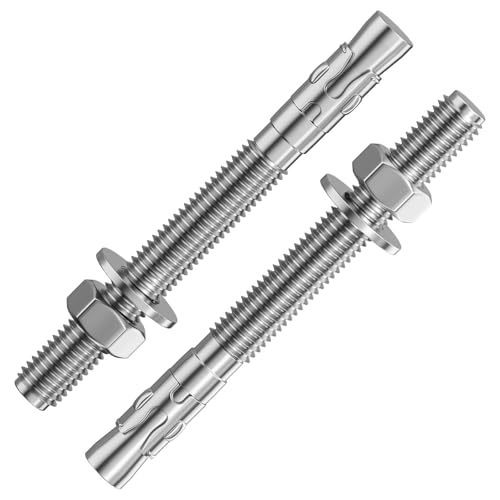
Wensilon 30Pcs 3/8×4″ Stainless Steel Wedge Anchors

Blulu 100 Pcs Drywall Anchors 1/4 x 1-1/2 Inch

Wensilon 10Pcs 3/8×3″ Black Wedge Anchors
A Closer Look At Each Pick
You probably want a basic plastic conical anchor for that small shelving bracket or coat hook. The Hillman Plastic Anchors in blue deliver a sensible everyday solution for homeowners juggling a mix of plaster, drywall, brick, and block walls around the house. The conical shape grips when paired with a #10 to #12 sheet metal screw, and the 100-pack means you can install plenty of fixtures without running out mid-project.
In real-world use, this style of anchor shines for light to medium loads on standard interior walls. The catch shows up on hollow doors or thick concrete, where you would want a toggle or wedge style instead. For typical hanging jobs in mixed wall materials, though, the Hillman 100-pack is a dependable, no-fuss option worth keeping in the toolbox.
The Upside
- Accepts #10 to #12 sheet metal screws, so you likely already own compatible screws from other projects.
- Works across drywall, plaster, concrete, brick, and block without swapping fastener types.
- 100-pack covers a full room’s worth of hanging tasks at once.
- Blue color makes it easy to spot inside a drilled hole when you need to confirm fit.
Things To Consider
- Not suited for hollow-core doors; a toggle design holds better there.
- Plastic construction limits load capacity compared with metal wedge anchors.
Who It Suits Best
You’re a homeowner tackling weekend projects on mixed interior walls and want a versatile, value-priced fastener.
Consider Something Else When
You need to mount a heavier item on a hollow door, in which case the TOGGLER Toggle TA Hollow Door Anchors is a better match.
Hollow-core doors feel like a hard surface until you try to hang a robe hook, and the screw just spins in the void. The TOGGLER Toggle TA Hollow Door Anchors solve that problem by spreading the load across a metal channel that opens behind thin panels between 1/8 inch and 1/4 inch thick. Installation is a one-person job: attach the toggle to the wall, add the bolt, and let the mechanism lock into place once the screw is tightened.
For a 100-pack of these toggles, you have enough hardware to outfit a closet, a bathroom, and a laundry room without rationing pieces. The biggest shift to plan for is sourcing your own screws, since this listing does not include them. For most light to medium hollow-core installations, the toggle approach is a step up from the basic plastic anchors in pick 1.
The Practical Payoff
- Creates a firm anchor point in hollow doors and thin panels where screws alone have nothing to bite.
- Single-person install with no second pair of hands required to hold the back side.
- 100-pack covers multiple rooms and a future fix-it list at once.
- Made in the USA, which some folks value for quality consistency.
Points To Note
- Screws are not included, so plan to source matching fasteners separately.
- Requires a hole large enough to insert the folded toggle, which may feel oversized for very small panels.
Made For
You’re outfitting hollow-core doors in a closet, bathroom, or bedroom with hooks and hardware that need real holding power.
Look Elsewhere When
You need an anchor that also performs in solid concrete, in which case the Wensilon 304 Stainless Steel Wedge Anchors handle that job.
Most projects do not stay on one wall type, and the TOGGLER Alligator AF8 Wall Anchors make it easier to work across surfaces. The polypropylene body expands and elongates in solid materials like concrete, brick, and stone, then opens into a set of “jaws” behind hollow drywall once the screw is driven in. A flanged head keeps the anchor from slipping into the hole during installation, which is a small detail that saves a lot of frustration.
The 5/16-inch body suits medium-duty loads, making this a good upgrade from the basic Hillman blue anchors in pick 1 when you want more bite. You will need to provide your own screws, but the trade-off is a single anchor type that handles both hollow and solid walls. For a fixer-upper or a workshop that sees varied mounting jobs, this is a flexible favorite to keep within arm’s reach.
What Works In Its Favor
- One anchor handles both hollow drywall and solid masonry, reducing the need to swap fasteners.
- Corrosion-resistant polypropylene holds up in damp basements or garage environments.
- Flanged head improves stability inside the hole during the early stages of install.
- 100-pack keeps the supply steady through a long stretch of projects.
Trade Offs
- Screws are not included, so you must buy matching fasteners separately.
- Hole size must be matched precisely for the jaws to open correctly behind drywall.
Feature Snapshot
Best Suited To
You handle a mix of hollow drywall and solid masonry projects and want one anchor that handles both without a second trip to the store.
Skip It When
You need corrosion-proof stainless steel for outdoor concrete, in which case the Wensilon 30Pcs 3/8×4 Inch Stainless Steel Wedge Anchors fit better.
Concrete projects call for a different kind of fastener than plastic anchors, and the Wensilon 3/8×4 Inch Zinc Wedge Anchors are built for the job. A wedge anchor is a stud-style fastener that you tap into a pre-drilled hole in cured concrete. As the nut is tightened, the wedge expands inside the hole, locking the anchor into place. The zinc plating adds a basic layer of rust resistance for indoor or sheltered concrete work.
You get 10 anchors in this listing, which is a sensible number for a small set of mounting points like a bike rack, gym equipment, or shelving uprights. Compared with the smaller 1-inch plastic anchors in pick 1, this is a step up in both size and load capacity, and the installation process requires an impact drill with a matching bit. For heavy-duty indoor concrete jobs, the zinc coating is typically sufficient.
The Good Stuff
- 4-inch length provides deep embedment in concrete for heavy load ratings.
- Nut and washer come pre-assembled, saving a step on the job site.
- Zinc plating offers basic corrosion protection for indoor use.
- 3/8-inch diameter matches a common drill bit size for straightforward setup.
Honest Caveats
- Suitable for concrete only; not rated for block or brick substrates.
- Requires an impact drill to set the hole, so you will need the right tool on hand.
Perfect Match For
You’re mounting gym gear, shelving, or hardware into indoor concrete walls or slabs where the zinc coating is enough.
Reach For A Different Pick When
Your install sits in an exposed outdoor location with regular moisture, in which case the Wensilon 304 Stainless Steel Wedge Anchors are built for that environment.
When your concrete project lives outside, the Wensilon 30Pcs 3/8×4 Inch Stainless Steel Wedge Anchors step in as the weather-ready option. The 304 stainless steel body resists rust far better than zinc plating, which is the difference between a fastener that ages quietly and one that bleeds rust stains down a wall after a few wet seasons. The same wedge expansion mechanism applies, with a pre-attached nut and washer for quick setup.
Thirty pieces in the pack give you a long runway for a deck ledger, fence post brackets, or a row of outdoor shelving. Compared with the 10-pack zinc version in pick 4, this is the more sensible choice for any install where rain, snow, or salt air will reach the metal. For most coastal or northern climates, stainless is worth the spend over a coated carbon steel fastener.
Notable Gains
- 304 stainless steel construction resists rust in outdoor and coastal conditions.
- Pre-assembled nut and washer speed up the install compared with loose components.
- 30-pack covers larger projects like deck ledgers or row-of-bracket mounts.
- 3/8-inch diameter lines up with common impact drill bit sizes.
Small Caveats
- Higher material cost compared with zinc-plated steel anchors.
- Still designed for solid concrete; will not perform in hollow block or brick foundations.
Core Details
Who Should Grab It
You’re fastening into outdoor concrete, a coastal foundation, or any exposed concrete surface where rust is a real concern.
Swap It Out When
You’re working in a sheltered indoor space and want a more budget-friendly option, in which case the Wensilon 3/8×4 Inch Zinc Wedge Anchors fit the bill.
Self-drilling anchors save a step, and the Blulu 100 Pcs Drywall Anchors cut the typical install down to one tool and one motion. The 1/4 x 1-1/2 inch size is a common match for curtain rods, small picture frames, and lightweight wall decor. The white coating on the head helps the anchor blend with most trim and ceiling paint lines once installed.
For a 100-pack, you have a generous supply for a rental refresh or a full-house hanging spree. The trade-off is that self-drilling anchors are designed for drywall specifically, so the moment you hit a wood stud or masonry wall, you will need a different fastener. For most indoor household tasks, the self-drilling format beats a traditional plastic anchor for pure speed.
Standout Benefits
- Self-drilling tip removes the need to pre-drill a pilot hole on standard drywall.
- White-coated head blends with most ceiling and trim paint.
- Alloy steel construction provides more strength than basic plastic anchors.
- 100-pack in a reusable box keeps the supply organized in a drawer or toolbox.
Worth Bearing In Mind
- Best for light-duty tasks; not suited for heavy shelving or large mirrors.
- Limited to drywall installations and will not bite into masonry.
Right Fit For
You’re hanging a long list of light household items, like curtain rods, frames, and small organizers, on standard drywall.
A Better Fit Elsewhere
Your project spans hollow doors, in which case the TOGGLER Toggle TA Hollow Door Anchors offer a stronger grip on thin panels.
Sometimes the 4-inch wedge anchor in picks 4 and 5 is more reach than your concrete slab needs. The Wensilon 10Pcs 3/8×3 Inch Black Wedge Anchors provide a slightly shorter profile for tighter installation depths. Carbon steel with a galvanized finish holds up to rust in moderately dry indoor concrete, and the pre-attached nut and washer keep the install workflow simple.
Ten pieces fit a focused project, like a set of three wall-mounted storage brackets, without leftover anchors collecting dust in the toolbox. As with the other wedge anchors, you will need an impact drill matched to the 3/8-inch diameter and concrete substrate. For shallow concrete where a longer anchor would be overkill, the 3-inch version earns its spot.
Where It Helps
- 3-inch length suits shallow concrete where longer anchors would bottom out.
- Galvanized carbon steel provides moderate rust resistance for indoor use.
- Nut and washer come pre-installed for faster setup.
- 3/8-inch diameter matches a standard masonry drill bit.
Points To Keep In Mind
- Not rated for hollow block or brick; solid concrete only.
- Galvanized finish is not as corrosion-resistant as the stainless steel option in pick 5.
Feature Card
Whose Shelf It Belongs On
You’re working in a tight concrete space, like a basement stairwell, where a shorter anchor does the job without waste.
Where A Sibling Pick Shines
Your install needs long-lasting corrosion resistance in an exposed outdoor setting, in which case the Wensilon 30Pcs 3/8×4 Inch Stainless Steel Wedge Anchors are the better call.
Choosing The Right Anchor For Your Specific Wall
A few attributes matter more than the rest when picking a wall anchor. Match the fastener to the wall material first, then size the anchor to the load, and finally check the install method against the tools you actually have. The wrong combination usually shows up as a stripped hole, a sagging shelf, or a fixture that pulls free.
Wall material drives most of the decision. Hollow drywall and lath-and-plaster walls work well with plastic conical or self-drilling anchors for light loads, and toggle-style anchors for heavier items. Hollow-core doors need a dedicated toggle design like the TOGGLER TA. Solid masonry, including poured concrete, brick, and stone, requires a wedge anchor driven into a pre-drilled hole, and you will want an impact drill to set it cleanly.
Load capacity and screw compatibility follow close behind. A #10 or #12 sheet metal screw pairs with the Hillman plastic anchors, while wedge anchors bring their own integrated studs. For coastal or outdoor concrete, 304 stainless steel typically outlasts zinc plating once the seasons start working on the metal. Holding power also depends on hole cleanliness, so a quick vacuum or blow-out before inserting the anchor tends to improve grip.
Key Considerations Across These Picks
Where Shoppers Go Wrong
A common slip is grabbing the most familiar fastener and assuming it works on every wall. Plastic conical anchors do not bite into hollow doors, and self-drilling anchors spin out the moment they meet a wood stud. The fix is to identify the wall first, then choose the anchor family that matches. A second trap is skipping the drill bit match. Wedge anchors need an impact drill bit with the exact same diameter as the anchor, and a slightly undersized hole can crack the surrounding concrete.
When Paying More Pays Off
Spending up on stainless steel wedge anchors pays off in any concrete install that sees moisture, salt air, or freeze-thaw cycles. Coated steel works indoors, but the protective layer tends to wear off at the head once the anchor is in service. For coastal homes, garage exteriors, or any mount on a retaining wall, the upgrade to 304 stainless avoids the rust stains and the early replacement cycle. Higher-tier plastic anchors also buy you better flanged heads and corrosion-resistant bodies, which is helpful in basements and bathrooms where humidity lingers.
Frequently Asked Questions
Do plastic wall anchors work in old plaster walls?
Plastic conical anchors can work in plaster when paired with a #10 or #12 sheet metal screw, but the holding power depends on the lath behind the plaster. Drilling a clean pilot hole without cracking the surrounding plaster takes a slow drill speed and a sharp bit.
Can you reuse the same anchor hole if you move a fixture?
You can often reuse the same hole if the new fastener matches the previous anchor size, but a slightly larger anchor gives a tighter grip. For best results, fill a stripped hole with a small amount of wood filler or spackle, let it cure, and redrill.
What is the difference between a wedge anchor and a sleeve anchor?
A wedge anchor uses a single expanding clip at the bottom of the stud that locks into the concrete as the nut tightens. A sleeve anchor expands a metal sleeve along its full length, which works in brick and block as well as concrete.
How deep should you drill for a wedge anchor?
A general rule is to drill at least one anchor diameter deeper than the embedment length to give the wedge room to expand. Most manufacturers list the minimum embedment on the packaging, and following that spec delivers the rated holding power.
Are plastic anchors safe for heavy items like TVs?
Plastic anchors are usually not the right choice for full-size TVs. Heavy or vibration-prone loads call for metal toggle anchors in drywall or wedge anchors in concrete. When in doubt, mounting into a wood stud with a wood screw is often the most reliable option.




