


Bringing a welder into a home shop used to mean dedicating a corner of the garage to a noisy, gas-fed box. Today’s compact inverter welders have rewritten that story, putting stick, MIG, flux core, and even TIG capability into units you can carry with one hand and plug into a standard outlet. For weekend fabricators, driveway tinkerers, and anyone tired of paying a shop for small repairs, the right machine turns afternoons into finished projects.
This guide focuses on multi-process welders for the home shop, alongside a couple of plastic repair kits for bumpers and trim. You’ll see what each model actually does at the bench, where it fits your skill level, and which trade-offs deserve a second look before you commit.
A Fast Comparison Of The Options

ARCCAPTAIN MIG205MP MIG Welder with Spool Gun and Aluminum Welding Wire

ARCCAPTAIN MIG205MP MIG Welder with Plasma Cutter 9 IN 1

Plastic Welding Machine Car Bumper Repair Kit with 6 Staple Types

WRDLOSY Plastic Welder Kit with 800 Staples (Yellow)
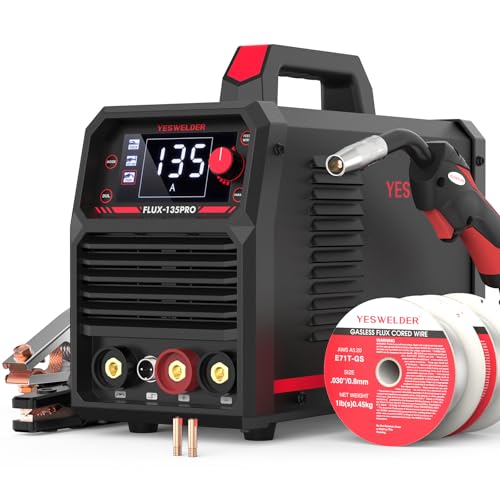
YESWELDER 135A Flux Core MIG/Lift TIG/Stick 3-in-1 110V

YESWELDER 160A MIG/Flux Core/Lift TIG/Stick 110V/220V

YESWELDER 205A 5-In-1 MIG/Flux Core/Spool Gun/TIG/Stick

ARCCAPTAIN 135A Flux Core MIG/Stick/Lift TIG 3-in-1 110V

ARCCAPTAIN MIG145 Pro Flux Core MIG 145A 120V 3-in-1
Meet The Standout Selections
The ARCCAPTAIN MIG205MP earns the top slot by refusing to specialize. Nine welding modes cover gas MIG, gasless flux core, DC HF TIG, DC Lift TIG, MMA stick, plasma cutting, cleaning, spot welding, and spool gun aluminum work, which is more capability than most home shops will ever tap. It suits the home fabricator who wants one box on the bench instead of a shelf of single-purpose machines.
For aluminum projects, the spool gun with its clear wire cover helps keep filler metal clean as it feeds, reducing the porosity (tiny gas-pocket voids in the weld bead) that frustrates beginners. You will need to purchase that spool gun separately, so budget for it before planning any aluminum bodywork. Compared with the simpler ARCCAPTAIN 135A reviewed later, this unit trades portability for genuine workshop-grade range.
Practical Pluses
- Nine welding processes in a single chassis, eliminating the need for separate stick, TIG, and cutting machines
- Spool gun compatibility for aluminum, with a transparent cover that lets you spot tangled wire before it stalls the job
- Plasma cut mode handles sheet steel up to a useful thickness for fabrication repairs and yard projects
- Synergic control on supported modes reduces the trial-and-error that typically plagues new welders learning wire speed and voltage balance
Points To Keep In Mind
- The spool gun required for aluminum is sold separately, so the true out-of-pocket cost runs higher than the headline price suggests
- Full nine-mode capability takes time to learn, and you may only ever touch four modes in a typical home shop
- Heavier and bulkier than the YESWELDER 135A, so a dedicated shelf or cart is wise
Key Specs
Made For
Home fabricators running mixed-metal projects who want true multi-process capability without a stack of dedicated machines.
Consider Something Else When
Beginners should look at the ARCCAPTAIN MIG145 Pro, which trims the mode list and adds beginner-friendly synergic controls without the spool gun expense.
This sibling to the MIG205MP pairs the same nine-mode welding platform with a built-in plasma cutting function, giving the home shop both tools in one footprint. Plasma cutting uses a high-temperature ionized gas jet to slice through electrically conductive metal like steel, stainless steel, and aluminum, far faster and cleaner than an angle grinder can manage. The home builder who fabricates from raw plate will appreciate skipping the separate cut machine entirely.
It’s the right pick when your projects start with raw sheet and end with welded assemblies. For hobby welders who rarely cut anything thicker than what snips can manage, the plasma side becomes shelf weight you paid to carry. Compared with the first ARCCAPTAIN on this list, the trade-off is the same nine-mode versatility plus cutting, though spool gun aluminum still requires the add-on accessory.
Where It Excels
- Plasma cutting built in means one power connection and one footprint for both fabrication steps
- Same nine-mode welding coverage as the MIG205MP, including TIG and stick for repair versatility
- Eliminates the loud grinding and dust that come with abrasive cut-off wheels on thin sheet steel
Honest Caveats
- Plasma cutting consumables (electrodes and nozzles) need periodic replacement, adding ownership cost
- Heavier and pricier than welder-only units like the YESWELDER 135A
- Spool gun for aluminum work is still a separate purchase
Whose Shelf It Belongs On
Shops that fabricate from raw plate and want a single combined cutting and welding station without a dedicated cart for each tool.
Skip It When
Anyone working mostly on repair and assembly should reach for the YESWELDER 160A, which keeps MIG and stick without the cutting commitment.
The Miotorio plastic repair kit steps outside the metal-welding category and into a different kind of home fix: cracked bumpers, broken trim clips, and split plastic housings. Hot staple welding (a process where heated metal staples are melted into both sides of a crack to bridge the gap) lets you rejoin broken thermoplastic parts in minutes without replacing the entire assembly. For car owners tired of body-shop estimates, this is the kind of tool that pays for itself the first time you avoid one.
The kit includes six staple profiles, including flat, outside corner, inside corner, and wave shapes, so you can match the staple to the geometry of the crack. It’s the right tool for the driveway detailer and the weekend mechanic, not the home metalworker. If your project list runs toward steel and aluminum, skip to the MIG and TIG units in this roundup.
What Stands Out
- Six staple geometries handle flat panels, inside and outside corners, and curved repairs without specialty orders
- Ergonomic handle design reduces fatigue on extended repair sessions, useful for full bumper work
- Repairs cost a fraction of replacement parts, and the welds are sandable and paintable
Trade Offs
- Limited strictly to thermoplastics, so it does nothing for metal welding needs
- Staples are consumables, and complex repairs can run through a small fortune in staples per job
Right Fit For
Car owners and DIYers who routinely face cracked bumpers, broken headlight tabs, or torn interior trim.
Look Elsewhere When
Anyone whose repair list runs toward steel and aluminum should start with the YESWELDER 135A, a true metal-welding entry point.
The WRDLOSY plastic welder arrives with 800 stainless staples in the box, which removes the awkward first-project scramble of running out of consumables halfway through a repair. For someone buying their first plastic repair kit, the included staple count means you can experiment, make mistakes, and still finish the original job. The yellow housing also helps the gun stand out on a cluttered bench, an underrated safety bonus.
It’s a focused tool with a focused audience: the hobbyist who fixes plastic lawn equipment, the auto detailer patching bumpers, or anyone trying to avoid a service counter visit. The trade-off is depth, since the kit does not include the wider staple variety of the Miotorio. For the casual user, that variety rarely matters.
The Value In It
- 800 stainless staples ship in the kit, enough for several bumper repairs before restocking
- Stainless construction resists rust, which matters in humid garages and outdoor repair situations
- Portable toolbox packaging keeps the gun, staples, and accessories organized between uses
Room For Improvement
- Staple variety is narrower than the Miotorio, with fewer specialized corner and wave shapes
- Limited to plastic, so it cannot substitute for any metal welder on this list
Best Suited To
First-time plastic welder owners who want everything in the box without separate staple orders.
Another Choice May Suit
Anyone doing frequent or complex bumper repairs should consider the Miotorio for its six-profile staple selection.
The YESWELDER 135A is the kind of welder you can hand to a first-timer and watch them lay a respectable bead within an hour. It runs on standard 110V household power, ships with flux core wire ready to feed, and skips the gas cylinder entirely (flux core wire has a hollow core filled with flux that creates its own shielding gas during welding). For the homeowner with a 15-amp garage outlet and zero welding experience, the barrier to entry drops to almost nothing.
Three modes cover the basics: gasless flux core MIG, stick, and lift TIG (an arc-start method where you touch the tungsten electrode to the workpiece and lift it to establish the arc, no high-frequency interference). The honest read is that this is a 135-amp unit, and you may find its ceiling shows up on thicker plate, but most homeowner repairs fall well within its range. Compared with the ARCCAPTAIN 135A further down, the YESWELDER leans toward simpler controls and a lower learning curve.
Real-World Strengths
- 110V plug-and-weld design works in any garage without dedicated wiring
- Flux core wire included in the box means no extra trip to the welding supply store on day one
- Lightweight enough to carry to a job site, the driveway, or a neighbor’s barn
Some Limits To Know
- 135 amps caps out on thicker steel, so heavy trailer frames and thick plate will feel underpowered
- Lift TIG requires a separate torch purchase, which is an easy accessory to overlook
Feature Snapshot
Who Should Grab It
First-time welders who want a no-fuss introduction to metal repair on a standard household outlet.
Reach For A Different Pick When
Anyone planning regular aluminum work should move to the YESWELDER 205A, which supports a spool gun.
Dual-voltage welders earn their keep in shops that sometimes run off a 110V garage outlet and sometimes have access to a 220V dryer circuit. The YESWELDER 160A handles both, which is why it lands in the middle of this list. At 220V it delivers 160 amps, enough for thicker steel and longer continuous welds without tripping breakers.
Four modes cover flux core MIG, gas MIG, stick, and lift TIG, a sensible spread for the home shop. The lift TIG torch comes separately, so plan for that purchase if stainless work is in your future. The unit sits between the beginner-friendly 135A and the higher-amp 205A, occupying a useful middle ground.
What Earns Its Place
- Dual-voltage operation lets you weld anywhere from a kitchen outlet to a full 220V shop circuit
- 160 amps of output opens up thicker steel and longer weld passes than entry-level units
- Gas MIG capability with proper shielding gas produces cleaner beads than flux core alone
Trade-Offs To Consider
- Lift TIG torch is a separate purchase, often the first forgotten add-on
- No spool gun compatibility, so aluminum work requires stepping up to the 205A
Who Will Love This
Shops with access to both 110V and 220V outlets who want a single machine that adapts to the available circuit.
A Better Fit Elsewhere
Anyone focused on aluminum fabrication should jump to the YESWELDER 205A, which adds spool gun compatibility.
The YESWELDER 205A is the unit you buy when you’ve outgrown the entry level and want a serious home shop machine. Five welding modes, dual voltage, and 200 amps of output put it in territory that covers almost any homeowner project, including steel, stainless, and aluminum when paired with a spool gun. It’s the most capable single-phase unit in this roundup, short of the ARCCAPTAIN MIG205MP.
The trade-off shows up in the learning curve. Five modes mean five sets of parameters to learn, plus the synergic features that adjust wire feed and voltage based on material thickness. Most owners find that investment pays back through project flexibility within a few months. Compared with the simpler YESWELDER 160A, this unit adds spool gun aluminum compatibility and a meaningful amp boost.
Advantages To Know
- Spool gun MIG opens up aluminum welding, which is otherwise the biggest gap in home-shop capability
- 200-amp output handles thicker plate and longer weld passes without thermal overload
- Dual-voltage design means flexibility across household and shop circuits
Potential Drawbacks
- Spool gun and lift TIG torch are sold separately, inflating the true cost of full capability
- The full feature set takes real time to learn, so expect a steeper ramp than a basic 3-in-1
Quick Facts
Perfect Match For
Experienced home fabricators who want steel, stainless, and aluminum capability in a single benchtop unit.
Where A Sibling Pick Shines
First-time welders should start with the ARCCAPTAIN MIG145 Pro, which trims the feature list to the essentials.
The ARCCAPTAIN 135A brings a notably clean digital display to the entry-level 3-in-1 category, which matters more than it sounds in dim garage lighting. Reading a small dial on a traditional welder at arm’s length while wearing a helmet is genuinely awkward, and the LED screen solves that problem in one step. The unit runs on 110V, ships with flux core wire, and stays light enough to move around the shop.
It’s a sensible choice for the garage hobbyist who wants a tidy interface and isn’t planning heavy fabrication. The 135-amp output shares the same ceiling as the YESWELDER 135A, so this is not the unit for thick plate or extended duty cycles. Think of it as the design-forward sibling in the same amp class.
What It Does Well
- Large LED digital display remains readable in low-light garage conditions
- Intuitive parameter setup reduces the trial-and-error loop on first projects
- Compact 110V footprint works on standard household circuits without tripping
Where It May Fall Short
- No aluminum capability, so this is a steel-and-stainless unit only
- Lift TIG requires a separate torch, an easy accessory to forget at checkout
At A Glance
Built With In Mind
Garage hobbyists who want a clean digital interface on an entry-level 3-in-1 welder.
Swap It Out When
Anyone planning aluminum work should step up to the YESWELDER 205A, which adds spool gun compatibility.
The MIG145 Pro is the most beginner-aware welder in this roundup. Synergic control (automatic matching of wire feed speed to amperage based on your selected material thickness and wire diameter) means the machine picks reasonable defaults once you tell it the wire size and metal thickness, which removes the single biggest frustration for new welders. For someone buying their first welder for small home repairs, this auto-matching is the difference between frustration and a finished project.
At 145 amps on standard 120V power, it lands between the 135A beginner units and the more powerful 160A mid-tier, covering most homeowner repairs with headroom to spare. Three modes handle flux core MIG, stick, and lift TIG, and the lift TIG torch is the standard separate purchase. If you want a forgiving first welder that grows with your skills, this is a strong landing spot.
Reasons It Performs
- Synergic control auto-matches current and wire feed to material thickness, removing the most common beginner mistake
- 145 amps delivers useful headroom over basic 135A units without jumping to a heavier 220V machine
- 120V standard outlet compatibility fits any garage or driveway setup
Details To Watch
- Lift TIG torch is a separate purchase, and beginners often miss this in their initial budget
- No aluminum capability, so this is firmly a steel and stainless unit
Feature Card
Who It Suits Best
First-time welders who want auto-matching help on small repair projects around the house.
Not Your Match When
Anyone planning dual-voltage flexibility should consider the YESWELDER 160A, which adds 220V capability.
Picking The Right Welder For Your Home Shop
The first decision is process coverage, because the wrong one will either limit your projects or cost you capability you’ll never touch. Flux core MIG welds steel without a shielding gas cylinder, making it the lowest-friction starting point for a 110V garage. Gas MIG adds cleaner beads and the ability to weld thin sheet without burn-through, but it requires a tank of shielding gas. Stick welding (a process using a flux-coated consumable electrode that melts to form the weld, with no separate shielding gas needed) handles dirty or rusty steel that would frustrate a MIG gun, and lift TIG unlocks stainless and, with a spool gun, aluminum.
Amperage output determines how thick a material you can weld and how long you can weld before thermal limits kick in. A 135-amp unit handles auto body panels, fence gates, and trailer repairs comfortably. Bump to 160 amps and thicker plate opens up, plus longer continuous weld passes. Reach 200 amps and you’re in fabrication territory for heavy brackets and structural work.
Voltage input matters more than most first-time buyers realize. A 110V welder plugs into any garage outlet, which is convenient but caps your sustained power. A dual-voltage 110V/220V machine lets you start on a household circuit and graduate to a dryer or dedicated shop outlet when you install one. The flexibility is worth a small premium if your shop wiring might evolve.
Finally, the consumables and accessories are the hidden line item. Spool guns for aluminum, lift TIG torches, replacement nozzles, and extra wire all add up. The MIG205MP and 205A both require a separate spool gun for aluminum, and most 3-in-1 units require a separate lift TIG torch. Budget for those before committing.
Key Considerations Across These Picks
Pitfalls Shoppers Hit
A common mistake is buying a multi-process welder for capabilities you will never use. The ARCCAPTAIN MIG205MP with nine modes is a fantastic machine, but if you only ever weld steel around the house, you’ll pay for aluminum and cutting features that sit unused. Match the process count to your realistic project list, not your aspirational one.
Another trap is overlooking accessory costs. The spool gun, lift TIG torch, and shielding gas regulator are typically not in the box. A 110V flux core welder like the YESWELDER 135A arrives ready to weld on day one with included wire, which is why entry-level units are easier on first-time owners.
When Paying More Pays Off
Spending more buys process flexibility and amp headroom. A 200-amp dual-voltage unit like the YESWELDER 205A lets you weld thicker steel, run longer passes, and add aluminum via a spool gun, all on a single chassis. For homeowners who upgrade their projects over time, that headroom prevents outgrowing the machine within a year.
The upgrade also buys build quality and feature polish. Digital displays, synergic controls, and cleaner arc starts show up in mid-tier and higher machines. If you weld frequently, those refinements add up to a noticeably smoother experience at the bench.
Frequently Asked Questions
What type of welder is best for home use? A flux core MIG welder running on 110V is the most beginner-friendly starting point because it requires no shielding gas and plugs into a standard outlet. The YESWELDER 135A and ARCCAPTAIN MIG145 Pro both fit that profile, and the ARCCAPTAIN adds synergic auto-matching for even easier setup.
Can a home welder handle automotive body panels? Yes, in the 130 to 160 amp range, MIG and flux core welders handle auto body sheet metal comfortably without burning through the thin steel. Gas MIG produces cleaner beads on sheet, while flux core is more forgiving for a first-time user working in a garage.
Do I need 220V power for a home welder? Not for entry-level and mid-size projects. A 110V welder up to about 160 amps covers most home repairs, though it limits sustained output on thicker material. Dual-voltage units let you start on 110V and move to 220V later if you install a dedicated circuit.
What is the difference between MIG and flux core welding? MIG welding uses a continuous wire feed and an external shielding gas to protect the weld pool from contamination. Flux core welding replaces the shielding gas with a flux compound inside the wire, so it works outdoors and on dirty or rusty steel without a gas cylinder.
Can home welders work on aluminum? Only MIG welders with spool gun capability, like the ARCCAPTAIN MIG205MP and YESWELDER 205A, handle aluminum cleanly at the home shop level. The spool gun feeds soft aluminum wire without tangling, which is the main technical barrier for home aluminum work.




