


A great welding helmet changes the way you work. The right one lets you watch a puddle with real color and clean shade transitions, and it stays comfortable through a four-hour fab session. The wrong one fatigues your neck, darkens unevenly, and makes you second-guess every bead. This list covers nine auto-darkening helmets across budget tiers and process types, from shop-floor pros to weekend fabricators, so you can match a hood to the kind of welding you actually do.
The Shortlist At A Glance
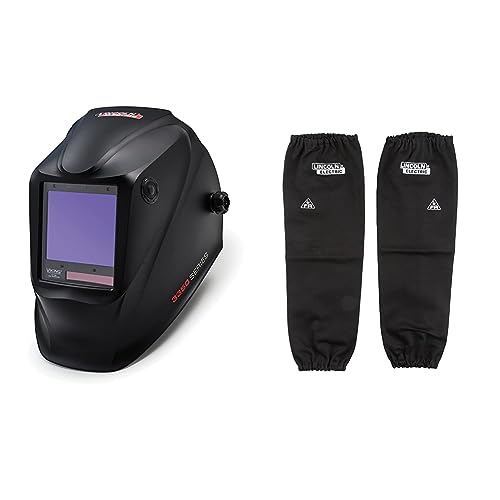
Lincoln Electric K3034-4 Viking 3350 Helmet with 4C Lens & Sleeves
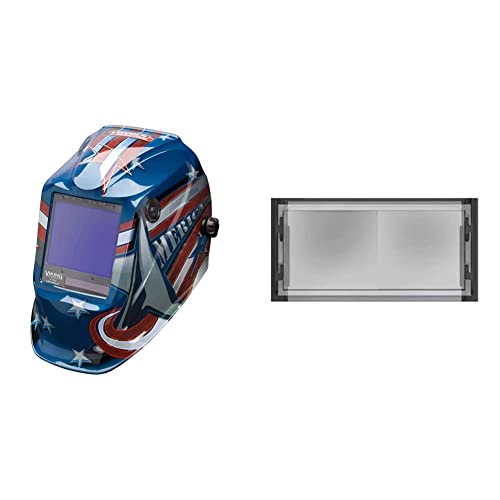
Viking 3350 All American Welding Helmet & 2.00 Cheater Lens
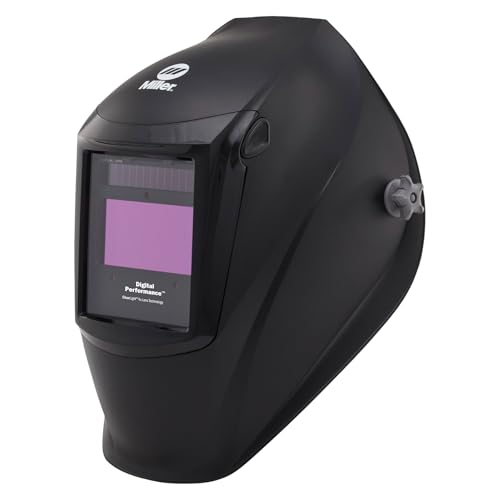
Miller Digital Performance Welding Helmet, ClearLight 4x

Miller Classic Series Welding Helmet, ClearLight, Shade 8-13

Miller Digital Elite Welding Helmet, ClearLight 4x, Gear Box
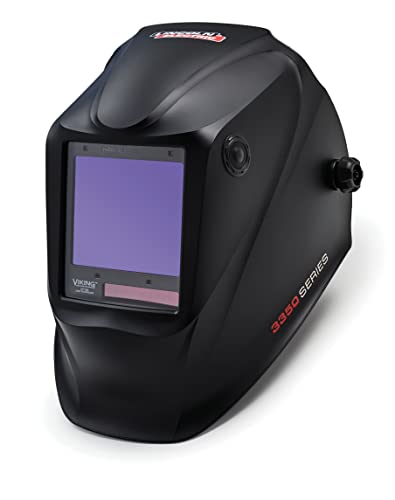
Lincoln Electric K3034-4 VIKING 3350 Helmet, 4C Lens, Extra Large

YESWELDER Auto Darkening Welding Helmet with LED, 180° View

YESWELDER Auto Darkening Welding Helmet with Side View, 180°

YESWELDER Auto Darkening Welding Helmet, 180° View, LYG-Q800D-A
A Breakdown Of The Leading Choices
You step into a long stick-welding session and the arc stays steady, the puddle reads true, and your arms stop catching stray sparks. That’s the bundle this helmet delivers. The Lincoln Electric K3034-4 Viking 3350 ships with 4C Lens Technology, a perfect 1/1/1/1 optical clarity rating (the standard measure of lens performance across blurriness, distortion, shade uniformity, and angle consistency), and the matte black shell carries the extra-large viewing area Lincoln uses across the 3350 line.
The matched KH813 flame-resistant sleeves turn this into a one-shop starter package, useful when grinding, MIG welding overhead, or running flux-core produces constant spatter. Anyone spending real time at the bench benefits from the included arm protection without hunting down a separate accessory. It is a heavier bundle than the bare helmet, but for fabricators who weld daily, the all-in-one setup is the point.
Why It Works Well
- 4C lens technology renders the puddle and base metal in natural color, so beginners learn faster and pros read bead shape with less eye strain.
- Perfect 1/1/1/1 optical clarity rating keeps the view even across the entire lens, which matters on out-of-position welds where you look through the edges of the window.
- Extra-large viewing window reduces the head-tilt guessing game common to standard hoods.
- Included KH813 flame-resistant sleeves protect forearms during heavy spatter work, removing the need to source arm coverage separately.
- Matte black shell hides spatter and shop grime better than glossy graphics shells.
Things To Consider
- The bundled sleeves add a step at the start of every session, which casual weekend welders may not need.
- Extra-large shell and high-end optics typically sit at the top of the price range, so budget-focused hobbyists may want a simpler hood.
Who Will Love This
Full-time fabricators and serious hobby welders who want a top-tier helmet plus arm coverage in a single purchase.
Where Another Pick Suits Better
Shoppers who only need the helmet and prefer a lighter package should look at the Lincoln Electric K3034-4 VIKING 3350 listed separately below.
The closer your work, the harder the lens has to work. The Viking 3350 All American helmet pairs the same 4C lens platform from the previous pick with a 2.00 magnification cheater lens, and that combination matters when you run thin-wall TIG on stainless or lay micro-wire feed on aluminum.
The KP3046-200 cheater measures 2 inches tall by 4.25 inches long, a standard footprint that drops into most auto-darkening filter cartridges. You get the helmet’s natural-color view plus magnification where your torch tip needs it. The 1/1/1/1 clarity rating means the magnified image stays sharp edge to edge rather than smearing at the sides, which is the common complaint with lower-grade cheaters.
A Few Strong Suits
- 2.00 magnification helps users with mild farsightedness or anyone who prefers close-up puddle detail without leaning in.
- Cheater lens is replaceable, so you can swap to 1.50 or 2.50 later without buying a new hood.
- All American graphic on a Viking 3350 shell gives a shop-floor look without sacrificing the 4C optics.
- Compatible with most welding helmets that accept the 2×4.25-inch cheater format, so it works as a stand-alone magnifier for other hoods too.
Worth Noting
- A fixed 2.00 cheater may feel too strong for users with normal vision, especially during stick welding where the wider field reads more naturally without magnification.
- Cheater lenses require occasional cleaning of the slot and the lens itself to keep dust from blurring the magnified view.
Made For
TIG welders and detail-focused fabricators who need magnification built into a premium auto-darkening hood.
Look Elsewhere When
Stick or MIG welders who want a wider, unmagnified field should consider the Miller Digital Performance helmet further down the list.
Miller’s ClearLight 4x lens technology is the company’s high-clarity answer to the color and detail problem auto-darkening helmets have wrestled with for years. The Digital Performance shell runs that lens in a balanced, mid-weight hood aimed at the welder who doesn’t need the flagship Elite feature set but refuses to settle for the basic Classic series either.
Where the Lincoln Viking 3350 leans on 4C, the Digital Performance leans on ClearLight 4x, and in real shop use that means a brighter light state and a more realistic view of the workpiece between strikes. The helmet body stays light enough for overhead MIG without neck strain, and the black shell keeps the profile low-key around mixed work environments.
Where It Delivers
- ClearLight 4x lens boosts the brightness and color accuracy of the view, which reduces the green-tint fatigue common to older auto-darkening filters.
- Mid-weight shell balances neck comfort with the rigidity needed for daily shop use.
- Digital controls let you adjust shade, sensitivity, and delay without removing the hood.
- Black graphic works in fabrication shops, body shops, and home garages without looking out of place.
Trade Offs
- Sits between the entry-level Classic and the flagship Digital Elite, so it does not include every premium feature hardcore production welders may expect.
- Outer lens covers wear with regular spatter and need periodic replacement to keep the ClearLight view sharp.
Best Suited To
Pro MIG and stick welders who want flagship-level clarity without paying for the full Digital Elite feature set.
Swap It Out When
Beginners who don’t need Digital controls should look at the Miller Classic Series helmet for a simpler, more forgiving hood.
You don’t need a flagship hood to learn stick welding in the garage, and Miller built the Classic Series exactly for that reality. The Rise graphic on the Classic shell gives it a modern look, while the ClearLight lens platform keeps the view clear enough to read your first beads without guesswork.
Shade 8-13 covers the practical range for stick, MIG, and flux-core work, and the light state makes sense in a dim garage or a bright shop. Compared to the Digital Performance and Digital Elite further up this list, the Classic drops digital controls in favor of straightforward analog adjustments. That trade-off keeps the helmet accessible for first-time welders who don’t yet care about sensitivity dials.
Real Benefits
- ClearLight lens technology delivers noticeably better color than budget fixed-shade helmets, so the learning curve is shorter.
- Shade 8-13 covers the most common welding processes a hobbyist will run.
- Lightweight shell reduces neck fatigue on long DIY sessions.
- Rise graphic on a classic silhouette gives the helmet a clean, non-flashy look that fits home workshops.
Honest Caveats
- Analog controls mean fewer fine-tuning options for users who eventually want to dial in sensitivity and delay for specialized work.
- The Classic lens does not match the brightness and clarity of Miller’s ClearLight 4x platform used in higher tiers.
The Right Fit
Beginners and hobby welders learning stick, MIG, or flux-core who want a trusted Miller name without the digital control cost.
Reach For A Different Pick When
Welders planning to add TIG soon will benefit from stepping up to the Miller Digital Performance helmet for finer shade control.
Production welders running eight hours a day need more than a sharp lens. They need a hood that disappears on the head and adapts as quickly as they switch between processes. The Miller Digital Elite steps in with the ClearLight 4x lens platform paired with the Gear Box feature set, which adds expanded memory modes and external grind control for fast process changes.
The Digital Elite sits above the Digital Performance covered earlier in this list. You pay for the additional modes and the more refined shell, and in return the helmet handles heavy industrial work without feeling like a compromise. For a welder who flips between MIG, TIG, stick, and grinding dozens of times a day, the saved seconds per change add up.
Everyday Perks
- ClearLight 4x lens technology gives the brightest, most color-accurate view in Miller’s auto-darkening lineup.
- Gear Box feature set supports multiple saved settings, useful when switching between processes on the same job.
- External grind control lets you toggle modes without lifting the hood, which keeps workflow continuous.
- Premium headgear distributes weight across the crown, reducing pressure points during long production runs.
Points To Note
- The Digital Elite typically lands at the top of Miller’s price ladder, so it’s a meaningful step up from the Digital Performance.
- More modes and settings can overwhelm welders who only run a single process day to day.
Whose Shelf It Belongs On
Daily production welders and fabrication shop owners who switch processes often and want Miller’s most feature-rich auto-darkening hood.
Not Your Match When
Casual hobby welders should consider the Miller Classic Series helmet instead, since the Elite’s extra modes go unused at the home level.
Some hoods force you to crane your neck to find the arc. The K3034-4 VIKING 3350 solves that with an extra-large viewing window and the same 4C lens technology that defines the Viking 3350 line, and it’s the helmet alone, not the bundle from pick one.
The 1/1/1/1 optical clarity rating means the entire wide lens reads evenly, which matters when you weld out of position and the arc drifts toward the edges. The matte black shell handles spatter and shop grime without looking worn after a season. Compared to the bundled K3034-4 from the first pick, this version skips the KH813 sleeves for welders who already own arm coverage or don’t need it.
Noteworthy Benefits
- Extra-large viewing window reduces head movement and improves situational awareness on multi-pass welds.
- 4C lens technology renders the arc and puddle in natural color for easier bead reading.
- Perfect 1/1/1/1 optical clarity across the wide window keeps the view sharp at the edges, not just in the center.
- Matte black finish is easy to wipe down after heavy spatter sessions and hides scuffs over time.
Some Limits To Know
- The larger shell is heavier on the head than the standard Viking series, which may fatigue users during overhead work.
- Replacement lenses for the extra-large cartridge can cost a bit more than standard-size spares.
Who Should Grab It
Shop welders and pipe fitters who frequently weld out of position and want a wider viewing area without sacrificing 4C clarity.
A Better Fit Elsewhere
Welders who already own sleeves and want a lighter helmet should look at the Miller Digital Performance further up this list.
The LYG-Q800D is where YESWELDER pushes past the standard rectangular auto-darkening cartridge. The 180° view concept uses side lenses that remain at a fixed light shade, so you keep peripheral awareness while the central auto-darkening window handles the arc. Add the integrated LED work light, and you get a hood built for tight spaces and dim shops.
This pick lands in the middle of the YESWELDER family covered in the next two reviews, sitting between the basic LYG-Q800D-A and the side-view True Color solar version. Where Lincoln and Miller focus on optical clarity tiers, YESWELDER competes on field of view and added lighting. For a welder who often works in engine bays, chassis rails, or inside structural tubing, the side view makes a real difference.
What Earns Its Place
- 180° viewing concept adds side lenses that expand peripheral vision, which helps in tight fabrication spaces.
- Integrated LED work light illuminates the workpiece in dark corners without needing a separate headlamp.
- LYG-Q800D platform supports multiple welding processes commonly used in home shops.
- Typically lands below the premium-tier Miller and Lincoln helmets, which matters for budget-minded welders.
Small Caveats
- Side lenses stay at a fixed light shade, so they don’t auto-darken during arc strikes in the peripheral field, which means glancing too far sideways during a weld can flash your eyes.
- Integrated LED batteries require occasional charging, and the light adds a small amount of weight at the front of the hood.
Perfect Match For
Multi-process home welders and fabricators working in tight spaces who value side visibility and a built-in work light over premium lens branding.
Consider Something Else When
Welders who need true color clarity for stainless TIG should look at the YESWELDER LYG-Q800D with True Color and solar power covered below.
True color and solar power sound like buzzwords until you weld with them. The YESWELDER LYG-Q800D with side view pairs the 180° panoramic concept from the previous pick with 1/1/1/1 True Color optics, and runs on solar assist so the battery rarely needs swapping. The shade range 3/5-9/9-13 covers TIG, MIG, ARC, CUT, and GRIND in a single cartridge.
For outdoor welders doing farm repair, fence work, or trail-side fabrication, the solar assist means one less battery to pack. The True Color lens technology reduces the green tint of older auto-darkening filters, which is most noticeable when running short TIG beads on stainless or aluminum. It sits a step above the LYG-Q800D reviewed just before it, and a step below the LYG-Q800D-A covered next.
Well-Handled Touches
- 1/1/1/1 optical clarity with True Color technology produces a more realistic view of the workpiece and the puddle.
- Solar-assisted power reduces the frequency of battery changes, helpful in remote or outdoor work.
- Wide shade range 3/5-9/9-13 supports TIG, MIG, ARC, CUT, and GRIND without changing the cartridge.
- 180° side view concept preserves peripheral awareness, useful when working around equipment and obstructions.
Points To Keep In Mind
- Solar cells need some ambient light to maintain charge, so very dark indoor shops may still drain the backup battery faster than expected.
- Side lenses are fixed shade, similar to the other 180° YESWELDER models, so users should keep their focus centered during arc strikes.
Built With In Mind
Outdoor welders, farmers, and mobile repair technicians who want True Color clarity and solar assist in a wide-view hood.
Another Choice May Suit
Welders who don’t need the side view and prefer a smaller, lighter shell should consider the YESWELDER LYG-Q800D-A covered next.
Not everyone needs solar assist or a side-view True Color upgrade. The LYG-Q800D-A is the entry point into the YESWELDER 180° family, with the same panoramic side lens concept, 1/1/1/1 optical clarity, and True Color view, but without some of the premium extras that push the price of the higher models.
The 3.94-inch by 3.23-inch main viewing window with side lenses (DIN5, non-auto-darkening) gives you a wide field without committing to flagship features. The shade range 3/5-9/9-13 covers the common processes, and the cartridge accepts standard magnifier lenses for close-up work. Compared to the LYG-Q800D with LED and the True Color solar version reviewed earlier, this hood strips back to the essentials.
Practical Advantages
- 1/1/1/1 optical clarity lenses with True Color technology deliver a sharper view than typical budget hoods.
- 3.94″ x 3.23″ main window plus side lenses give a wide field of view for tight or unusual work positions.
- Versatile shade range 3/5-9/9-13 supports TIG, MIG, MMA, CUT, and GRIND processes.
- Accepts standard magnifier lenses for users who eventually want a cheater, similar to the Viking 3350 cheater setup covered earlier.
Where It Is Less Suited
- Side lenses are fixed DIN5 and do not auto-darken, so extreme caution is needed if an arc flashes from the side.
- Build quality and headgear comfort sit below the Miller and Lincoln tiers, so daily heavy production use may shorten the hood’s life.
Right Fit For
Entry-level shop welders and hobbyists who want the 180° viewing concept and True Color clarity without paying for solar or premium add-ons.
Where A Sibling Pick Shines
Welders who weld outdoors regularly will benefit from the solar-assisted YESWELDER LYG-Q800D with True Color reviewed above.
What To Weigh Before Choosing A Welding Helmet
The first thing to nail down is the dominant process. Stick, MIG, and flux-core welders can run on most auto-darkening cartridges with a shade range of 9-13, while TIG welders benefit from finer shade adjustment and higher optical clarity to read the puddle at low amperage. If you regularly switch between MIG and TIG, look for helmets with multiple memory modes such as the Miller Digital Elite covered earlier.
Optical clarity ratings tell you how the lens performs across the entire window. A 1/1/1/1 rating means low blurriness, low distortion, consistent shade, and uniform angle performance, and it’s the benchmark on the Lincoln Viking 3350 and the YESWELDER True Color models in this list. Lower ratings work fine for hobby use, but you may notice edge distortion on out-of-position welds.
Viewing window size and field of view matter more than most shoppers expect. A wider window or a 180° side-view design reduces head movement and improves situational awareness in tight spaces. Weight, headgear adjustability, and balance are equally important for long sessions, since even a few extra ounces on the front of the hood translate to real neck strain by the end of the day.
Power source affects maintenance. Solar-assisted helmets like the YESWELDER LYG-Q800D with True Color reduce battery swaps, while pure battery-powered helmets are simpler but require periodic cell replacement. For outdoor or mobile work, solar assist is a meaningful upgrade.
Smart Choices Across These Picks
Traps First Timers Fall Into
A common mistake is chasing the highest optical clarity rating without considering weight and balance. A heavy flagship hood can fatigue a new welder faster than a lighter mid-tier helmet, and that fatigue often leads to poor technique. Another trap is buying a wide-view 180° hood without realizing the side lenses stay at a fixed shade, so glancing sideways during an arc strike can flash the eyes. Always check the side-lens behavior before committing to a panoramic design.
Where The Extra Money Goes
Spending more on a helmet typically buys better optical clarity, brighter light states, more memory modes, and improved headgear. For a daily production welder, those upgrades save seconds per process change and reduce eye strain across an eight-hour shift. For a weekend hobbyist, the premium tier is usually overkill, and a value pick like the Miller Classic Series delivers the core experience without the cost. The upgrade is worth it once you start running multiple processes daily or notice your eyes tiring faster than they should.




