You don’t always need a torque wrench for spark plugs, but you do need the right feel and a careful hand. If you’ve ever worried about snapping a plug or leaving one too loose, you’re not alone. The good news is that a simple install can still go right when you know what matters most. Next, you’ll see why torque matters, when tools help, and how to avoid the small mistakes that turn into big repair bills.
Do You Need a Torque Wrench for Spark Plugs?
Usually, you don’t need a torque wrench to install spark plugs, but having one can make the job a lot less stressful.
You can tighten plugs with a regular ratchet, a steady hand torque, and good visual cues. That means you should seat the plug gently, then give it a little more turn without forcing it.
If your engine uses aluminum threads, stay extra careful and trust the fit, not brute strength.
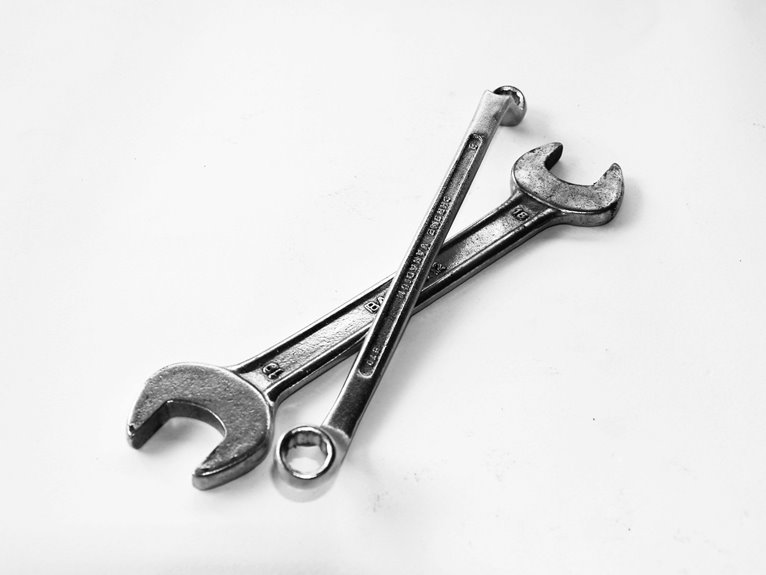
A beam or click wrench can help when you want extra confidence, but it isn’t mandatory for every garage task.
If you’re new to the job, take your time, breathe, and you’ll fit right in with folks who learned the same way.
Why Spark Plug Torque Matters
Spark plug torque matters because the plug has to seal the combustion chamber, transfer heat correctly, and stay put under heat and vibration.
When you tighten it the right way, you protect combustion efficiency and support steady heat dissipation, so your engine runs like part of the crew.
You also help the plug fire cleanly and last longer.
- You keep hot gases where they belong.
- You let the plug move heat into the head.
- You hold the threads snug through bumps and revs.
- You make future service easier for you and your garage friends.
If the fit is right, you feel more confident every time you turn the key.
That’s the kind of small win that makes maintenance feel simple and welcoming.
What Happens When Spark Plugs Are Too Tight
If you tighten spark plugs too much, you can strip the threads or crack the head, and that turns a simple job into a costly repair.
You may also notice poor engine running, since the plug can’t sit right when it’s forced in too hard. So even if you’re using a ratchet by hand, a little restraint goes a long way.
Thread Damage Risks
Tightening a spark plug too much can do more than make the job feel “secure,” because it can damage the threads in the cylinder head and turn a simple tune-up into a much bigger repair.
You can feel proud of a careful install, but too much force can strip metal, crack soft aluminum, and start aluminum galling before you know it.
- You may feel the plug grab, then bind hard.
- The head can lose its threads and stop holding torque.
- Threaded inserts may be needed to fix the hole.
- A shaky seal can leave you with a costly teardown.
When you stop at firm, not brutal, pressure, you protect your engine and your own peace of mind.
Engine Performance Problems
Too much pressure can turn a simple tune-up into a rough-running engine, and that’s where the trouble starts. When you overtighten spark plugs, you can crush the seal and stress the cylinder head, so the plug may not fire quite right. That can throw off ignition timing and upset the fuel mixture, which leaves you with shaky idle, weak acceleration, and more misfires than you want.
You might hear pinging, feel hesitation, or notice worse gas mileage. In some engines, the plug even transfers heat poorly, and that can make the chamber run hotter. If you’ve ever chased a problem that seemed small, you know how fast it can snowball. Tighten carefully, and your engine stays calmer, cleaner, and more responsive.
What Happens When Spark Plugs Are Too Loose
When a spark plug works loose, the engine can start acting up in ways that feel small at first but get worse fast. You may hear a tick, feel a stumble, or notice weak power. That loose plug lets hot gas leak past the threads, so gasket compression drops and the seal can’t hold.
Soon, misfire detection may light up because the cylinder isn’t firing cleanly.
- You might smell exhaust in the bay.
- You could hear a sharp puffing noise.
- You may get rough idle and shaky starts.
- You can damage the threads if you keep driving.
When you spot these signs, you’re not alone. A loose plug can make your ride feel off, but catching it early keeps trouble small and your engine running with the crew.
How to Tighten Spark Plugs Without a Torque Wrench
You can snug up spark plugs without a torque wrench, and you don’t need to guess wildly to do it right. Start by threading each plug in by hand so it seats smoothly. Then use your ratchet and the hand feel technique: turn until the plug feels snug, then add about a quarter turn.
If the threads are clean, a light coat of oil or anti-seize can help, but use less force because thread lubrication benefits reduce friction. Stay gentle, especially in aluminum heads, where damage happens fast. You want firm, even resistance, not a hard grunt. If one plug feels wrong, back it out and try again.
That careful rhythm helps you join the crowd of DIYers who do solid work without fancy tools.
When a Torque Wrench Is Worth Using
You’ll get the most value from a torque wrench when you want the right tightening force without guessing.
It helps you avoid overtightening, which can strip threads or crack parts fast, especially in aluminum heads.
It also lets you match factory specs more closely, so you can install spark plugs with confidence instead of crossing your fingers.
Correct Tightening Force
A torque wrench starts to make real sense once the spark plug needs exact, steady tightening instead of just “snug enough.” Spark plugs usually work best in a fairly narrow range, often around 13 to 18 foot-pounds, and that matters even more in aluminum cylinder heads, where too much force can strip threads fast and turn a simple tune-up into a headache.
When you aim for the right pull, you help thread seating and heat transfer stay consistent, so the plug fits and works like it should.
- You feel the target more clearly.
- You avoid guesswork on every cylinder.
- You keep service work calm and repeatable.
- You fit right in with careful DIY owners who value clean results.
Preventing Overtightening Damage
Protecting aluminum threads starts with the simplest rule: don’t keep tightening once the plug has seated. You can feel the plug stop, then give it only the small extra turn your engine needs. If you crank harder, you can strip threads, crack a head, or crush the gasket.
That’s where a torque wrench earns its keep. It helps you stop before damage starts, especially with aluminum heads and copper inserts that need a careful touch. After heat cycling, parts expand and settle, so a safe install today can still loosen later if you overdo it.
When you work with steady hands and a proper tool, you protect the engine and join the crowd that fixes things once, not twice.
Factory Spec Accuracy
When the factory spec is tight and the engine design leaves little room for guesswork, a torque wrench starts to earn its place fast. You’re not chasing perfection for bragging rights. You’re matching factory tolerances so the plug seats right and your engine feels cared for.
- A narrow torque range leaves less room for feel alone.
- Aluminum heads react badly to extra force.
- Calibration uncertainty can make a cheap wrench drift from the mark.
- A small drive wrench helps you read low numbers with more confidence.
If you’re working on a newer engine, that extra accuracy can make you feel like you belong in the garage, not just visiting it. In those moments, the wrench gives you calm, repeatable control without the guesswork.
Find the Correct Spark Plug Torque Specs
Start with your vehicle’s service manual or under-hood label, because that’s where you’ll find the exact spark plug torque spec for your engine. You’re not guessing here; you’re joining the crowd that does it right. Most spark plugs call for 13 to 18 foot-pounds, but your engine may differ. Check the plug’s gap heat range and ceramic coatings notes too, since those details can shape the right fit. If the manual is missing, use the maker’s website or parts catalog.
| Source | What you get |
|---|---|
| Service manual | Exact spec |
| Under-hood label | Quick reference |
| Parts catalog | Vehicle match |
| Manufacturer site | Updated data |
Once you have the number, set your wrench calmly and trust the process.
Common Spark Plug Installation Mistakes to Avoid
Even a simple spark plug job can go sideways fast if you rush the last few steps, so it helps to know the most common mistakes before you turn the wrench. You fit right in when you slow down and check each plug with care.
- Skip gap inspection, and you may chase rough idle later.
- Cross-thread the plug, and the threads fight back.
- Overtighten, and you risk porcelain cracking or damage in an aluminum head.
- Reuse dirty boots or crush the seal, and moisture can sneak in.
First, hand-start each plug, then snug it with steady pressure. Next, stop before you force it.
Also, keep your workspace clean, because grit loves to ruin a good install. A calm, careful pass here saves you from repeat work and keeps your crew on the same page.
Frequently Asked Questions
Can You Reuse Spark Plug Crush Washers?
You should not reuse spark plug crush washers. A new washer seals more reliably and helps prevent combustion gas leaks. If you reuse one, check it for flattening, damage, or distortion, but replacing it is the safer choice.
Should Spark Plug Threads Be Lubricated Before Installation?
Usually, do not lubricate spark plug threads unless the manufacturer specifically recommends it. Anti seize is not a blanket requirement, and dielectric grease should go on the boot, not the threads. Following the service specifications helps prevent problems.
Do Different Engines Need Different Spark Plug Torque Values?
Yes, you do. Your engine’s design and the manufacturer’s specifications can change the correct spark plug torque value. Using the right setting helps prevent damage and ensures a proper fit for your vehicle.
Is a Beam Torque Wrench Accurate Enough for Spark Plugs?
Yes, a beam torque wrench is accurate enough for spark plugs. Its simple design gives reliable readings, especially if the scale is easy to read and calibrated well in the 13 to 18 ft lb range.
Can Overtightened Spark Plugs Damage Aluminum Threads?
Yes, overtightening spark plugs can damage aluminum threads. It can cause aluminum galling and may require thread repair. Stop before that point to protect the engine and avoid costly repairs.