If you’re drilling a hole in brick one minute and driving deck screws the next, you’ll feel the power difference fast. A hammer drill leans on steady spinning plus sharp forward blows, while an impact driver snaps in short torque bursts that make fasteners move with less wrist strain. That’s why one tool feels smoother and the other feels punchier, and the real surprise is how that changes your battery life, bit choice, and job speed.
Hammer Drill Power Explained
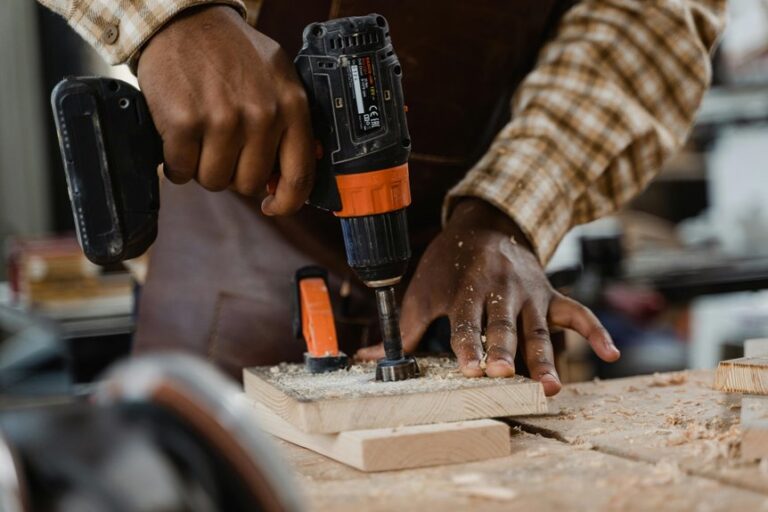
A hammer drill earns its name by pushing power straight into the bit while it spins, and that’s what gives it real muscle in hard materials.
You feel the bit bite into brick, block, or stone as the tool adds quick hammer taps to steady rotation.
That combo helps you work with confidence when a plain drill stalls.
Good motor efficiency keeps more energy moving into the job, not the tool’s guts.
Meanwhile, vibration control matters because it lets you stay steadier and less worn out during longer runs.
You still need the right bit, but the tool’s force does the heavy lifting for you.
With the proper grip, you can handle tough holes without losing your rhythm.
Impact Driver Power Explained
You rely on an impact driver when you need strong twisting power, because it sends quick bursts of force to the fastener instead of steady pressure.
Its torque can rise fast under load, so screws and bolts keep turning even when the material gets tough. That punchy action is what makes the tool feel so strong in your hands.
Torque Output Basics
Torque is the heart of an impact driver, and it’s what gives this tool its real muscle. You feel that pull when you drive long screws and the bit keeps going without drama. Think of mechanical advantage as a helper that lets your grip and motor do more work with less strain. Torque visualization helps you picture the turning force on the fastener.
- More torque means stronger turning power.
- Strong torque helps you sink fasteners cleanly.
- It also keeps screw heads from slipping.
- It gives you confidence on tough jobs.
That’s why you can trust an impact driver when you need secure fastening. You’re not just buying force, you’re joining a tool that makes hard work feel manageable.
Impact Force Mechanism
Inside an impact driver, the real magic happens when steady turning force meets sudden strikes. You feel the tool build twist, then a spring-loaded mass snaps forward and hits a T-shaped anvil. That quick hit sends force perpendicular to the bit, so you get strong bursts without needing to push harder.
Because the blows come fast, often up to 50 times per second, you can drive long screws with less strain. The design also helps with vibration control, which keeps your hands steadier during tough jobs. Thanks to its ergonomic design, you stay more comfortable and in control. When resistance rises, the driver answers with more torque, so you can keep working with confidence and feel like part of the crew.
Hammer Drill Vs Impact Driver Power
When power matters most, the difference between a hammer drill and an impact driver becomes easy to feel in your hands. You’ll notice the hammer drill pushes straight into the bit, while the impact driver hits from the side to drive fasteners harder. That means each tool gives you a different kind of strength and a different feel at work.
- Hammer drills help you cut into masonry with steady pressure.
- Impact drivers help you sink long screws with less slipping.
- The hammer drill’s acoustic feedback can sound harsher.
- The impact driver may reduce ergonomic fatigue during long fastening jobs.
Torque, BPM, and Speed Explained
Although these tools may seem similar at first, torque, BPM, and speed tell you how each one really works.
You feel torque as the turning force that helps your tool keep pushing when resistance rises. BPM, or blows per minute, shows how often the hammer action lands, while speed tells you how fast the bit spins.
A hammer drill usually gives you steadier speed with lower torque, so you can stay in control. An impact driver brings much higher torque, and that helps you drive screws without fighting the tool.
When you compare them, look at motor efficiency too, because a better motor uses power well and keeps work moving. Good vibration control also matters, since it helps you stay comfortable and confident during longer jobs.
How Hammer Drills Handle Masonry
A hammer drill handles masonry by combining steady rotation with fast, forceful hammering, and that mix is what helps you cut into hard surfaces like brick, block, and concrete.
You feel the bit bite, then chip away little by little, so the job stays controlled instead of frantic.
For the best results, you should:
- Use a masonry bit
- Match the speed to the material
- Keep steady pressure
- Plan for masonry dust management
This approach helps you stay on track when you’re working near others who know the struggle of a stubborn wall.
During anchoring bolt installation, the drill clears space for the fastener while the hammering action keeps progress moving.
It’s not magic, just smart force that makes tough surfaces feel more manageable.
How Impact Drivers Drive Fasteners
You’ll notice an impact driver doesn’t just spin, it hits the fastener with quick torque pulses that help it sink screws with less effort from you.
Its hex-drive bit grip keeps the bit locked in place, so you get strong contact when the resistance rises. That steady bite also gives you better control as the screw seats, which helps prevent overdriving and stripped heads.
Torque Pulse Action
When an impact driver starts to work, it doesn’t just spin, it punches in fast, tiny bursts that help the screw move forward with less strain on your wrist. You feel the torque pulse action as the tool builds force, then releases it in quick hits, almost like percussive harmonics inside a tiny engine.
That rhythm creates rotational resonance, so the fastener keeps turning even when the material pushes back.
- You press lightly and stay in control.
- The tool adds force only when resistance rises.
- The pulses help you sink long screws with less slip.
- You get steady progress without fighting the tool.
Hex-Drive Bit Grip
Impact drivers feel simple in your hand, but the real magic happens at the bit.
You lock in a hex-shank fastener, and the collet hugs it tight so the driver can hit hard without slipping. That snug fit gives you confidence when the work starts to fight back.
Good hex grip durability matters because repeated impacts can loosen weak bits and waste your time.
With the right bit, you get steady drive and less wobble, even when you’re powering long screws into tough wood.
During bit retention testing, strong bits stay seated and keep working after repeated bursts. So you feel part of a tool setup that’s built for real jobs, not just display shelf shine.
Fastener Seating Control
A good impact driver does more than spin fast, because it also knows how to place each screw with control. You feel that help when the tool starts soft, then tightens as the screw seats. Torque sensing watches resistance, so it slows the hit pattern before you strip the head. With vibration control, your grip stays calmer and your line stays true.
- You start square.
- You keep steady pressure.
- You let the driver pulse, not shove.
- You stop when the head sits flush.
That rhythm helps you fit in with the folks who want clean, confident fastening. When the screw bites hard wood or thick metal, the driver gives power without losing feel. So you get firm seating, less wobble, and a smoother finish that looks like you knew the trick all along.
Which Tool Delivers More Torque?
Which tool gives you more torque? In this power comparison, the torque debate leans hard toward the impact driver. You get far more turning force, so screws and bolts bite in with confidence. A hammer drill still helps, but it tops out much lower.
| Tool | Torque |
|---|---|
| Hammer drill | Up to 120 Nm |
| Impact driver | Up to 800 Nm |
| Best use | Light fastening |
| Best use | Heavy fastening |
| Feel | Smooth control |
Which Tool Handles Concrete Better?
When you’re drilling concrete, a hammer drill usually gives you the better result because it sends hammering force straight into the bit.
You’ll still need the right masonry bit, since the bit and material have to match for the tool to work well.
An impact driver brings lots of torque, but it isn’t built to bore into concrete the way a hammer drill can.
Concrete Drilling Ability
If you need to drill into concrete, the hammer drill is the better tool by far. You feel the difference fast, because it pushes and spins at the same time. For your crew, that means cleaner holes and less frustration when the surface fights back.
Use it when you want:
- steady bite in concrete
- better dust extraction support
- solid placement for reinforcement anchors
- less wandering on hard masonry
An impact driver brings strong turning force, but it doesn’t strike the way concrete needs. So, when you’re working with the group, pick the hammer drill and you’ll fit in with the folks who get the job done right. It saves effort, keeps the pace moving, and helps you stay confident on tough builds.
Bit And Material Match
Concrete asks a lot from your bit, and the tool you choose has to meet that demand head-on.
When you work in hard material, you want bit alignment to stay true, because wobble steals energy and can chip the edge. A hammer drill fits this job better since it drives the bit straight into concrete while spinning. That steady push helps the bit bite into material hardness instead of skittering off the surface.
An impact driver gives strong twist, but it’s built for screws, not masonry. You can feel the difference fast: the hammer drill keeps contact, and your bit wears more evenly. So, if you’re joining the crew that tackles concrete often, pick the tool that matches the bit and the material together.
Which Tool Is Better for Screws?
For screws, the impact driver usually wins because it gives you more turning power with less fuss.
You’ll feel less screw stripping, and your user ergonomics stay friendlier during longer jobs.
The hammer drill can drive screws, but it’s better when you also need drilling power.
- Choose the impact driver for long screws.
- Use the hammer drill for mixed tasks.
- Pick the impact driver when the head starts to bind.
- Reach for the hammer drill only if you need more than fastening.
That said, you’re not choosing a winner for every job.
You’re choosing the tool that helps you work cleanly, stay in control, and feel like you belong on the project from the first turn to the last.
Battery Life for Each Tool
The right tool for screws can save you time, but it can also save your batteries, too. When you reach for an impact driver, you usually use less battery on long fastening jobs because it drives fast and hard with fewer pauses. That helps your battery longevity, especially when you keep moving through a deck, fence, or repair.
A hammer drill draws more power when you run hammer mode, since it combines spinning and pounding at once. So if you use it for light screw work, it can drain your pack sooner. To protect charge cycles, match the tool to the task and avoid forcing extra power where you don’t need it. You’ll feel less frustration, and your crew will stay in rhythm.
Bit Compatibility for Each Tool
Bit compatibility can make or break your project, and you’ll feel that difference fast when you grab the wrong tool. With a hammer drill, you can use masonry, concrete, SDS, and carbide-tipped bits because its chuck grips round and hex shanks with more flexibility. An impact driver is pickier, since its quick-release collet wants hex-shank bits that can handle concussive force. That’s where you avoid frustration and bit wear.
- Hammer drills fit more bit styles.
- Impact drivers prefer hex-shank bits.
- Adapters can help, but adapter limitations can reduce control.
- Matching the bit keeps your grip solid and your work smoother.
When you’re part of a crew that wants clean results, this compatibility difference helps you stay confident and ready.
Match the Tool to the Job
Pick the right tool, and the whole job feels easier right away. When you drill concrete, brick, or stone, you want the hammer drill because its pounding action cuts through hard material fast. When you drive long screws, bolts, or lots of fasteners, reach for the impact driver because its punch keeps turning when the work gets tough.
That match saves your hands, too, since ergonomic handling feels steadier with less fighting the tool. It also keeps your job site workflow smooth, so you spend less time switching gears and more time finishing cleanly. In other words, the right tool helps you stay in the groove, work with confidence, and get solid results without turning a simple task into a wrestling match.
Which One Should You Choose?
So, once you know which tool fits the task, the real question becomes what you should actually buy for your own projects. If you drill masonry often, choose a hammer drill. If you drive lots of screws, pick an impact driver. You’ll feel the difference fast, and your work will go smoother.
A good ergonomic design also matters, because comfort helps you stay in control on long jobs. Consider these points:
- Drill concrete or brick: hammer drill
- Drive long screws: impact driver
- Need both jobs: buy both, if you can
- Check maintenance tips: clean bits, charge batteries, store dry
When you choose well, you’ll fit right in with builders who get the job done without fighting the tool. That kind of confidence saves time and a few headaches, too.
Frequently Asked Questions
Can a Hammer Drill Loosen Stuck Bolts?
Yes, a hammer drill can sometimes free a stuck bolt, but it works best only with careful torque control and the right extraction method. A proper socket, penetrating oil, and an impact tool will usually do the job better.
Why Do Impact Drivers Feel Louder Than Hammer Drills?
They sound louder because each impact is a sharp, rapid hit, more like a miniature jackhammer than a drill. The mechanism produces more high frequency noise, and the harder, more abrupt pulse can feel harsher to your ears than the steadier thump of a hammer drill.
Do Hammer Drills Work Well for Wood Drilling?
Yes, you can use a hammer drill for wood drilling, but you will usually switch off hammer mode. That gives you cleaner holes for wood joinery and screw pilot holes, and the drill will handle the job easily.
Are Impact Driver Bits Interchangeable With Drill Bits?
No, you usually can’t swap them directly. Impact drivers use hex shank impact bits, and some drill bits can fit with an adapter, but using the correct bit gives you a tighter, more reliable fit.
Can Either Tool Replace a Regular Cordless Drill?
Not exactly. Either tool can handle some jobs, but a regular cordless drill offers better battery compatibility and torque control. It is usually the better choice for drilling, light fastening, and everyday versatility.